How to Prevent Roof Damage During Home Renovations
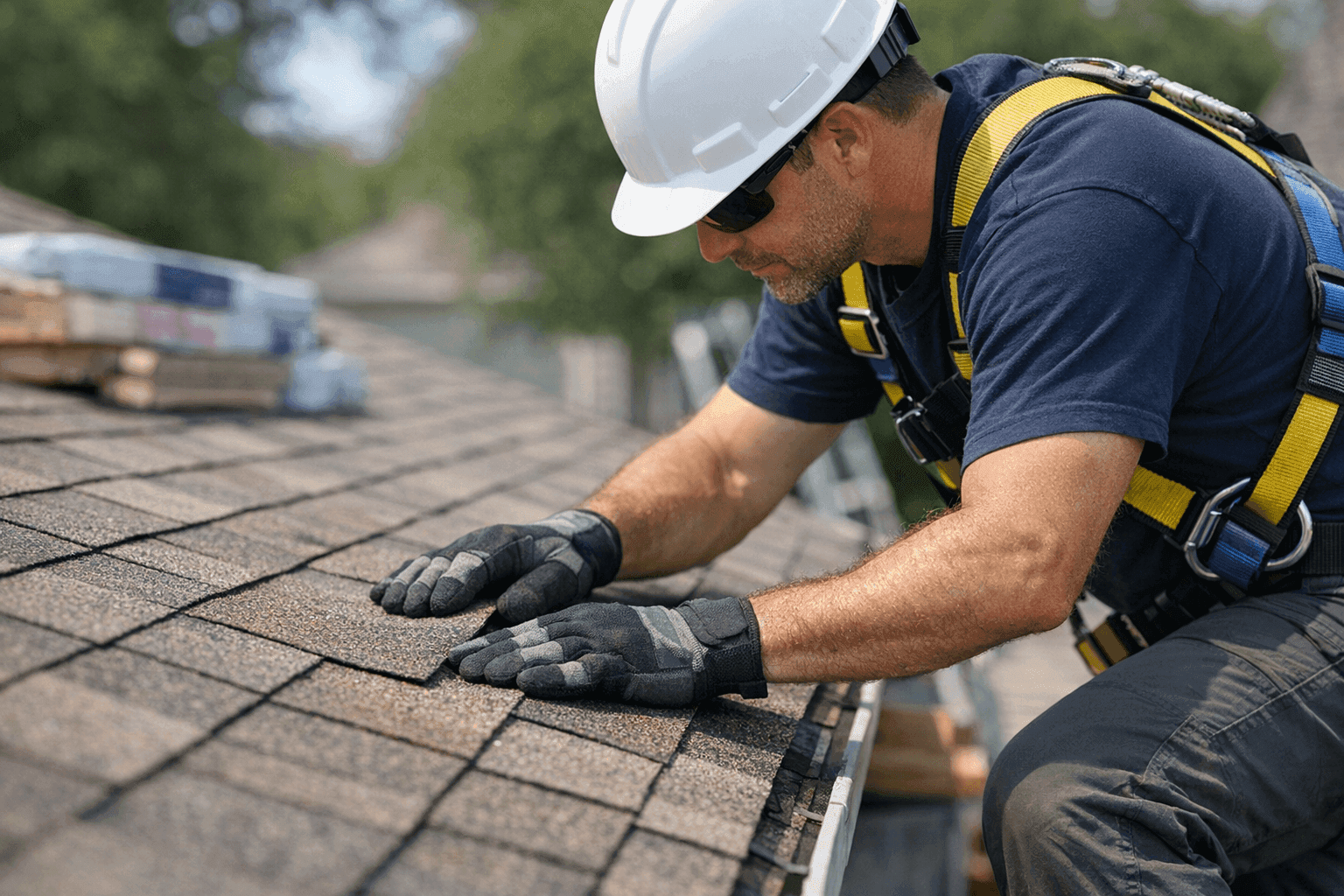
Renovating your home is exciting. New spaces, fresh finishes, a vision coming to life. But what about your roof? Most homeowners don’t realize how vulnerable it can be during the chaos of construction.
Ignoring roof safety during renovations can lead to leaks, structural issues, or even sudden emergencies. At Overhead Roofing, we help homeowners protect their investments every step of the way.
Common Roof Risks During Renovations 🏗️
Roofing systems are tough—but not invincible. Renovation projects can introduce unexpected dangers, especially when heavy equipment or careless foot traffic gets involved.
Key risks include:
- Heavy tools or materials dropped on shingles or tiles
- Unprotected skylights breaking under pressure
- Debris clogging gutters or downspouts, causing water backups
- Vibrations from construction disturbing flashing or seals
- Accidental punctures or tears in flat roofing membranes
The National Roofing Contractors Association (NRCA) notes that even small missteps can create big problems if overlooked. Think of your roof as a helmet for your home—any crack leaves you exposed.
How to Protect Your Roof
A little planning goes a long way. Before your renovation starts, take a few practical steps:
1. Schedule a Pre-Renovation Roof Inspection
Bring in a qualified roofing contractor to assess your roof’s current condition. Problems like loose shingles, weak flashing, or existing leaks should be addressed before construction begins. Inspections to catch issues early.
2. Communicate with Your Contractors
Make sure everyone working on your home understands the importance of roof safety. Share access points, weight limits, and areas to avoid. If possible, limit roof traffic to experienced professionals only.
3. Protect Vulnerable Areas
- Cover skylights and vents with sturdy plywood
- Mark off no-step zones near edges and valleys
- Use debris nets or tarps to catch falling materials
4. Clear Gutters and Downspouts
Before and after every project day, check that gutters and downspouts are free of debris. This prevents water pooling and helps you avoid sudden leaks.
5. Monitor Weather
Rain, wind, or snow can turn a small mistake into a serious issue. Watch the forecast and secure all materials daily. If a storm’s coming, double-check all covers and seals.
DIY vs. Call a Pro
Some tasks—like basic gutter cleaning—can be handled by homeowners with the right safety gear. But when it comes to inspecting for hidden damage, repairing flashing, or dealing with structural repairs, call in a roofing specialist.
Attempting major repairs yourself can lead to missed warning signs or even personal injury. The Occupational Safety and Health Administration (OSHA) recommends using licensed professionals for all roofing work above ground level.
Quick Safety Checklist
- Inspect your roof before renovation begins
- Alert all contractors to roof safety protocols
- Protect all vulnerable roof features
- Clean gutters regularly
- Monitor for weather changes
Print this list and keep it handy during your project!
What Pros Do On Arrival
When Overhead Roofing arrives for a Inspections, our team checks:
- Shingle and tile stability
- Flashing around chimneys and vents
- Skylight seals
- Attic ventilation and insulation
- Signs of hidden leaks or mold
We document any concerns and recommend solutions that fit your timeline and budget.
Prevention & Maintenance Tips
- Schedule regular inspections, especially before major projects
- Use only roofing-approved materials for any temporary repairs
- Avoid walking on the roof unless necessary
- Trim back nearby tree branches to prevent falling limbs
Preventative maintenance costs far less than emergency repairs.
Warning Signs After Renovation 👀
Once the dust settles, keep your eyes peeled for these telltale signs:
- Water stains on ceilings or walls
- Missing or cracked shingles/tiles
- Unusual musty odors in the attic
- Dripping sounds during rain
- Blistering or bubbling on flat roof surfaces
Spotting these early can save you from bigger headaches later.
Common Mistakes to Avoid
- Ignoring minor leaks: They almost always get worse over time.
- Letting debris pile up: Even a handful of leaves can block drainage.
- Skipping inspections: Small issues often hide beneath the surface.
Costs & Time Factors
Fixing roof damage after a renovation often costs more than prevention. A typical inspection is quick—usually a few hours. Repairs can take longer, especially if weather or structural issues are involved.
Budget a little extra time and money for roof care in your renovation plan. It pays off in peace of mind.
When It’s an Emergency
If you notice active leaks, sagging, or exposed underlayment, call for emergency roofing services immediately. Water intrusion can damage insulation, wiring, and even your new renovations. Overhead Roofing’s emergency team is ready to help when every minute counts.
Seasonal Considerations
Spring and summer are popular times for renovations, but also peak seasons for storms. Extra caution is needed when rain or high winds are in the forecast. Always secure loose materials and double-check all roof protections before leaving the site for the day.
Timeline & Disruption
Roof safety steps don’t need to slow your project. Most inspections and preventative measures can be completed in parallel with other renovation tasks. Communicate clearly with your contractors so everyone is on the same page.
Materials & Equipment
Use only materials rated for your roof type—whether it’s tile, shingle, metal, or flat. The wrong fasteners, sealants, or coverings can do more harm than good. For specialty projects like skylight installation or roof decking, choose professionals who know the ins and outs of New Construction.
Frequently Asked Questions
How often should I have my roof inspected during a renovation?
At least before, midway, and after the project. More often if your roof is older or if you notice any issues.
Can I walk on my roof to check for damage myself?
It’s safest to leave this to professionals. Roof surfaces can be slippery or unstable, especially after construction activity.
Do I need a permit for roof repairs during renovations?
Check your local building codes. Most major repairs or changes will require permits and inspections.
What if I find roof damage after my renovation is finished?
Contact a roofing company immediately. Early repairs can prevent further damage and protect your investment.
When to Get a Post-Renovation Inspection 🕵️
Schedule a full roof inspection as soon as your renovation wraps up. Even if everything looks fine from the ground, hidden issues can develop during construction. A professional inspection ensures your home is safe, dry, and ready for years to come.
If you’re searching for reliable roofing services near you, Overhead Roofing is always here to help.
Call Overhead Roofing now — or reach us anytime at 855-554-4704 .