How Often Should You Replace Your Roof? Signs to Watch For
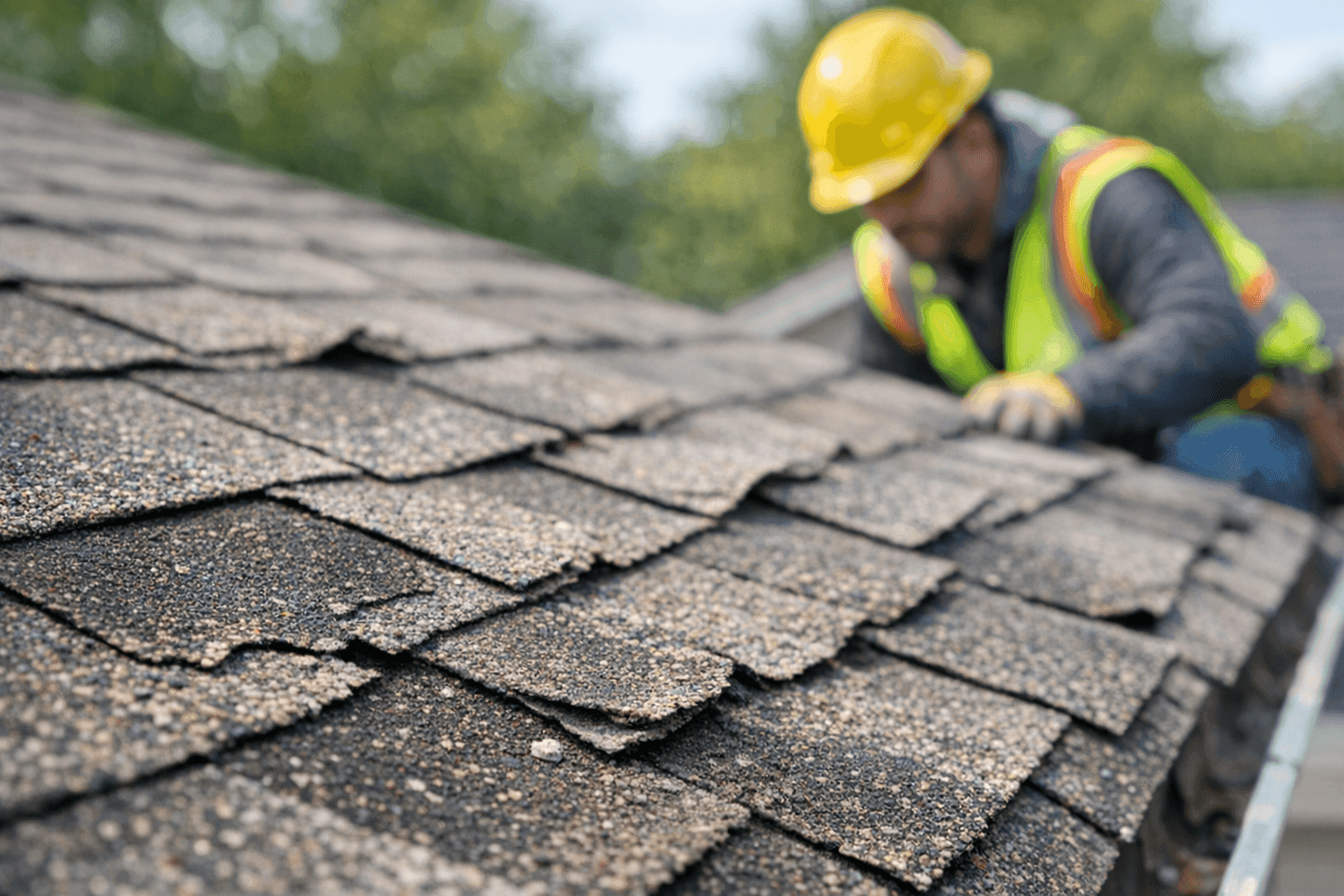
Is your roof quietly trying to tell you something? For most homeowners, the roof is out of sight and out of mind—until a leak drips onto your favorite chair or shingles start showing up in the yard after a storm.
Understanding when to repair, inspect, or replace your roof isn’t just about protecting your home’s appearance. It’s about keeping your family safe and your investment sound. At Overhead Roofing, we believe every homeowner should feel confident about the roof above their head.
Typical Roof Lifespans by Material 🏠
Every roof has a story—and a lifespan. But not all roofs are created equal. Much like shoes, their durability depends on the material, how well they’re cared for, and what kind of “weather miles” they’ve endured.
Shingle, Tile, Metal, and Flat Roofs
Let’s break it down:
- Asphalt Shingles: The most popular type for residential homes. Expect 15–30 years, depending on quality and weather.
- Tile Roofing near you: Clay or concrete tiles last 40–50 years, sometimes longer. These are the marathon runners of the roofing world, but even they need TLC.
- Metal Roofing: Standing seam metal roofs can go 40–70 years. They shrug off snow, rain, and hail like a raincoat.
- Flat Roofs: Usually found on modern homes or additions. Materials like TPO, EPDM, or modified bitumen last 10–25 years.
Keep in mind: local conditions, ventilation quality, and routine maintenance can stretch—or shrink—these numbers. The National Roofing Contractors Association (NRCA) recommends regular inspections to catch issues early.
Key Signs You Need a New Roof
Your roof won’t send you a text when it’s in trouble. Instead, it leaves subtle (and sometimes not-so-subtle) clues. Here’s what to watch for:
Leaks, Granule Loss, Sagging, Curling
- Leaks: The obvious red flag. Water stains on ceilings or walls are your roof’s SOS signal.
- Missing or Curling Shingles: Shingles should lie flat against your roof. If they’re curling, buckling, or missing, it’s time to pay attention.
- Granule Loss: Find gritty black granules in your gutters? That’s your shingles shedding their protective coat—like a tree losing its bark.
- Sagging: A drooping roofline is a structural warning. This is urgent. Don’t ignore it.
- Light in the Attic: See daylight peeking through boards? That means water can get in, too.
- Moss or Algae Growth: Besides being unsightly, these can trap moisture and weaken roofing materials.
What to Do When You Spot Issues
If your roof starts “talking” with leaks or sags, don’t panic. Act quickly, but thoughtfully. Here’s a smart plan:
- Inspect Safely: If it’s safe, take a look in your attic and from the ground outside. Binoculars work great for spotting trouble from your lawn.
- Don’t Delay: Small issues can balloon into costly repairs. Water damage spreads like spilled milk—fast and messy.
- Contact a Roofing Professional: Not every issue means you need a new roof. Sometimes Roof Repair is all it takes. Other times, replacement is the best option.
- Schedule an Inspection: Professional Inspections can uncover hidden damage and give you a clear plan.
The Quick Safety Checklist ⚠️
Roof work is risky. Before grabbing a ladder, ask yourself:
- Do you have the right shoes and safety gear?
- Is the roof dry and stable?
- Do you have someone nearby in case of an emergency?
When in doubt, leave it to professionals who are trained and insured. According to OSHA guidelines, falls are a leading cause of home repair injuries.
DIY Fix or Call a Pro?
Some repairs—like replacing a missing shingle—are possible for handy homeowners. But most roof issues are like icebergs: what you see is just the tip. Underneath, water can be quietly rotting wood, insulation, or even your home’s structure.
When leaks, sagging, or major granule loss appear, calling a roofing specialist is the wiser, safer choice.
What Happens When the Pros Arrive
A pro from Overhead Roofing won’t just glance at your shingles. We’ll:
- Inspect the entire roof surface, flashing, chimneys, and attic.
- Check gutters, downspouts, and ventilation.
- Look for hidden water damage or signs of pests.
- Provide honest feedback—with clear options.
Prevention & Maintenance: The “Secret Sauce”
Roofs age, but good habits slow the process. Here’s how you can add years to your investment:
- Clean gutters twice a year to prevent water backup.
- Trim tree branches to avoid impact and debris.
- Schedule annual inspections—especially after storms.
- Keep an eye on attic ventilation and insulation.
Good maintenance is like brushing your teeth: it prevents bigger, more expensive problems down the line.
Costs & Time Factors
Roof replacement costs vary by material, size, and complexity. Asphalt shingles are generally more budget-friendly, while tile or metal roofs are a larger investment but last longer.
Timeline? Most residential roof replacements can be completed in a few days. Weather, material availability, and project scale can affect this.
When It’s an Emergency
Some problems can’t wait. If you notice:
- Water pouring in during a storm
- Large sections of missing shingles after high winds
- Sudden, severe sagging
Call for emergency roofing services right away. Fast action can save you thousands in water damage.
Frequently Asked Questions
Does insurance cover roof replacement?
Often, homeowners insurance covers damage from “sudden and accidental” events, like hail or fallen trees. Wear and tear is rarely covered. Check your policy or speak with your agent.
Is it better to repair or replace?
If your roof is near the end of its lifespan—or repairs are stacking up—replacement is usually the wiser choice.
How can I tell if my attic is well-ventilated?
Look for mold, musty smells, or high utility bills. Proper ventilation keeps your roof cool and dry, extending its life.
Seasonal Considerations: Timing Matters 🌦️
Spring and fall are ideal times for roof work. Extreme heat or cold can make materials brittle or hard to install. After major storms, always check your roof for new damage—even if you don’t see leaks right away.
Common Mistakes Homeowners Make
- Ignoring small leaks (“It’s just a drip!”)
- Skipping annual inspections
- Letting moss or debris accumulate
- Patching over major damage instead of addressing the underlying problem
Timeline & Disruption: What to Expect
Roof replacement is a major project, but it doesn’t have to turn your life upside-down. Most projects take 1–3 days, depending on size and materials. We do our best to minimize disruption—protecting your landscaping and cleaning up thoroughly.
Materials & Equipment: Choices Matter
Your home deserves the best fit. Asphalt shingles, tile, metal, or eco-friendly options—each has pros and cons. A qualified roofing contractor will walk you through choices, considering your budget and the local climate.
Monitoring Roof Health: An Ongoing Task
Think of roof care as routine health checkups for your home. Schedule regular Inspections. Keep an eye out for warning signs. If you’re in Valparaiso, you can always learn more about local roofing by visiting our roofing company resource.
The Bottom Line: Be Proactive, Not Reactive
A healthy roof keeps everything beneath it safe, dry, and comfortable. Don’t wait for leaks to force your hand. Stay vigilant, schedule regular checkups, and act early if you spot signs of trouble.
Call Overhead Roofing now — or reach us anytime at 855-554-4704 .