Flat Roofs vs. Pitched Roofs: Pros, Cons & Best Uses
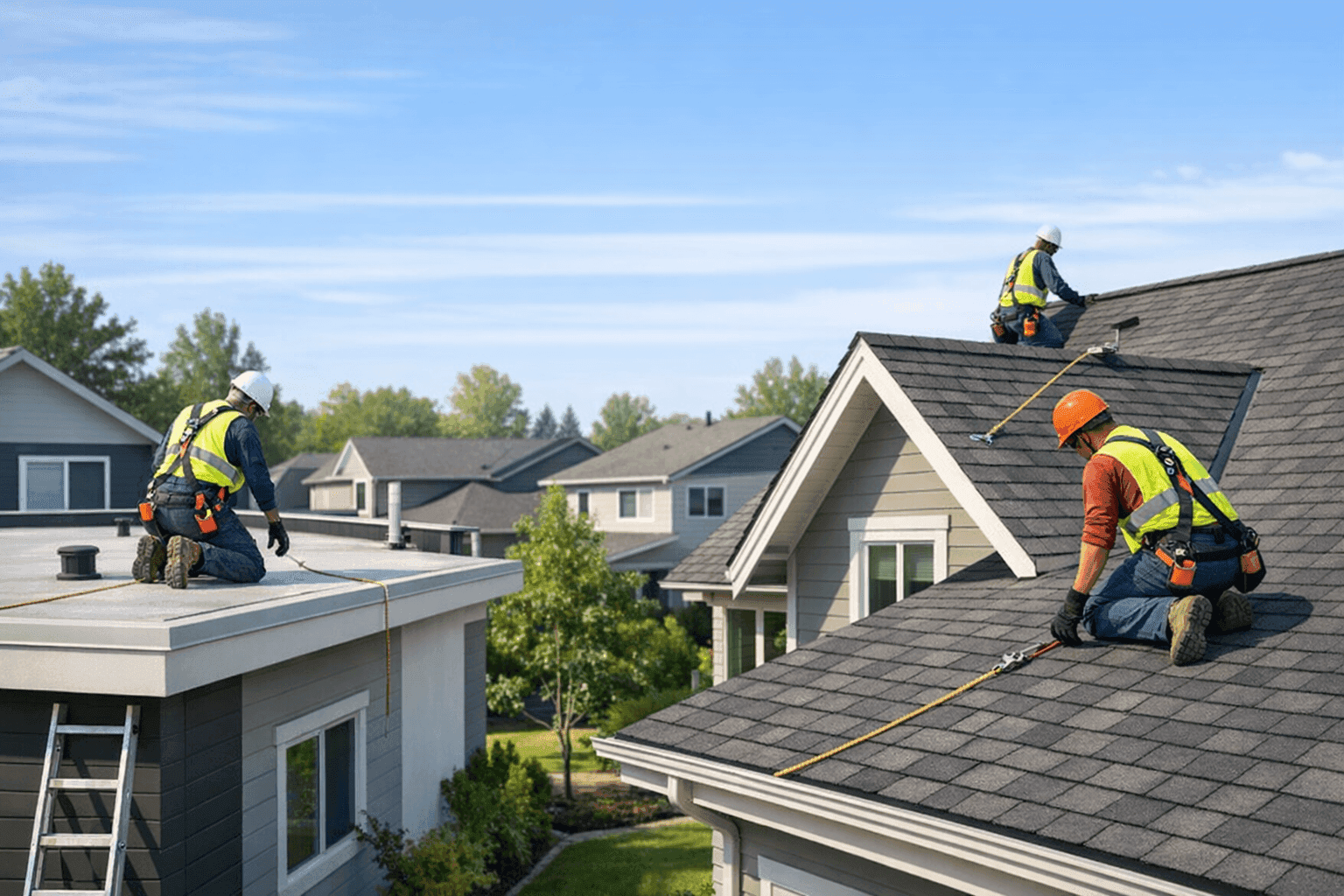
When it’s time to choose a roof for your home, the options can feel overwhelming. Maybe you’ve seen neighbors go with something bold and modern. Or maybe you worry about leaks after the last big storm. Your roof is your home’s umbrella. It needs to fit your life, your budget, and your style.
At Overhead Roofing, we’ve helped hundreds of homeowners navigate this choice. Whether you’re building new or thinking about a roof replacement, understanding the difference between flat and pitched roofs is the first step to a home that feels—and functions—just right.
What Is a Flat Roof? 🏢
Let’s start simple. A flat roof isn’t truly flat; it’s just very low-sloped—often less than 10 degrees. You’ll see them on modern homes, mid-century builds, and city skylines. They’re popular for their clean lines and urban vibe.
Flat roofs create usable space. Think rooftop gardens, patios, or roomy spots for HVAC units. They’re easier to access for repairs or cleaning. But, like a raincoat that needs a good shake-off, they have their own quirks—especially with drainage.
What Is a Pitched Roof? 🏠
Picture the classic triangle roof you drew as a kid. That’s a pitched roof. The steeper the angle, the faster water, leaves, and snow slide off. You’ll find them on most traditional homes, especially in regions with heavy rain or snow.
Pitched roofs come in many styles: gable, hip, gambrel, and more. They’re versatile, often boosting curb appeal and offering attic space for storage or insulation.
Pros and Cons: Flat Roofs vs. Pitched Roofs
Both roof types have strengths and weak points. Let’s break it down.
Flat Roofs: The Good and the Gotchas
Pros:
- Clean, modern look
- Usable rooftop space
- Easier (and safer) to walk on for maintenance
- Often less material needed, so sometimes lower up-front cost
Cons:
- Drainage requires careful design
- Shorter life span in harsh climates
- More prone to standing water and leaks if not maintained
- Limited material options compared to pitched roofs
Pitched Roofs: The Ups and Downs
Pros:
- Excellent water and snow shedding
- More traditional look—boosts resale in many neighborhoods
- Longer lifespan, especially with materials like tile roofing or metal
- More attic space for insulation or storage
Cons:
- Usually higher initial cost due to structure and materials
- Harder to access for repairs or cleaning
- More wind resistance (can be an issue in hurricane regions)
Drainage: The Make-or-Break Factor
Water is a roof’s best friend—or its worst enemy. Flat roofs need a carefully designed drainage system. Without it, puddles can form, seep in, and cause rot. Think of it as a bathtub: you need the right slope for water to find the drain.
Pitched roofs use gravity to their advantage. Rain and snow slide right off. Downspouts and gutters keep water moving away from your foundation. But these systems need regular cleaning—especially after storms or in leafy neighborhoods.
Tip: Check that your flat roof has working scuppers or internal drains. For pitched roofs, look for sagging gutters or blocked downspouts after heavy weather.
Maintenance: Upkeep for Longevity 🧰
All roofs need love. Flat roofs require regular inspections—at least twice a year. Look for pooling water, blisters, and cracks in the membrane. Catching small issues early can save big headaches later.
Pitched roofs also need routine checks, especially after storms. Watch for missing shingles, loose flashing, or signs of animal damage. It’s tougher (and riskier) to DIY repairs on a steep slope, so sometimes it’s best to call in the pros.
Safety Reminder: The Occupational Safety and Health Administration (OSHA) recommends using fall protection for any roof work, especially on sloped surfaces.
Cost Factors: What to Expect
Budget is always a big factor. Flat roofs can cost less upfront due to simpler framing and fewer materials. But they may need more frequent repairs or replacement, especially in wet climates.
Pitched roofs usually cost more to build, thanks to the complex structure and larger surface area. However, their durability and wider range of materials—like asphalt shingles, clay tile, or metal—mean fewer replacements over time.
Keep in mind: The final price depends on your home’s size, local code requirements, and chosen roofing material.
Visual Appeal: Style That Lasts
Flat roofs scream modern. They blend seamlessly with minimalist architecture and let you create outdoor living spaces on top. Some homeowners add green roofs or solar panels for eco-friendly flair.
Pitched roofs are all about charm and variety. From storybook cottages to grand Victorians, their angles and lines define a home’s character. Plus, pitched roofs can support heavier materials, giving you more choices for color and texture.
Performance in Different Climates
Live where it rains—or snows—a lot? Pitched roofs shine in these areas. Their slope naturally sheds precipitation, reducing the risk of leaks and ice dams.
Flat roofs work well in dry, mild climates. They’re common in the Southwest and urban areas. In places with heavy rain or snow, you’ll need extra attention to design, waterproofing, and regular inspections.
Reference: The International Residential Code (IRC) provides guidelines for minimum roof slopes and materials based on local weather.
Use Cases: When Each Roof Makes Sense
- Flat Roofs: Modern homes, additions, garages, rooftop decks, low-rise city buildings.
- Pitched Roofs: Traditional homes, areas with frequent rain or snow, homes needing attic space.
Not sure which suits your plans? For new builds, our New Construction team can advise on the best fit for your lot, style, and budget.
DIY vs. Call a Pro
Some minor maintenance—like clearing debris from a flat roof—can be DIY. But repairs, especially for leaks or structural issues, should be handled by professionals. Roofing work is risky and requires specialized knowledge.
With pitched roofs, walking on a steep slope is dangerous. Even cleaning gutters can pose a fall risk. When in doubt, call a licensed roofing company for safe, code-compliant repairs.
Quick Safety Checklist
- Never work alone on a roof.
- Use a sturdy ladder and safety harness.
- Wear shoes with good grip.
- Watch for power lines and loose materials.
- Always follow local safety codes.
Common Mistakes to Avoid
- Skipping annual inspections
- Ignoring small leaks or stains
- Using mismatched materials for repairs
- Letting debris pile up (can cause water backup and rot)
- Failing to clear gutters and downspouts
Timeline & Disruption: What to Expect
- Flat Roof Installation: Quicker, often a few days for standard jobs.
- Pitched Roof Installation: Takes longer—complex framing and more materials.
During replacement, expect noise, debris, and limited access to certain areas. Our crew works hard to minimize disruption, but a little planning goes a long way. Move valuables, notify neighbors, and keep pets indoors if possible.
Insulation & Energy Efficiency
Flat roofs can be insulated above or below the deck, offering good efficiency when done right. Pitched roofs, with their attic space, allow for thick layers of insulation—keeping your home warmer in winter and cooler in summer.
Both roof types benefit from proper ventilation. This prevents moisture buildup, mold, and premature aging of materials.
Prevention & Maintenance Tips
- Inspect your roof every spring and fall.
- Clean gutters and downspouts after storms.
- Seal cracks and joints promptly.
- Trim overhanging branches to prevent damage.
- Schedule professional inspections for peace of mind.
For flat roofs, consider periodic re-coating for added protection. For pitched roofs, check that flashing around chimneys and vents stays watertight.
Signs of Trouble: When to Take Action
- Water stains on ceilings or walls
- Visible sagging or bubbling on the roof
- Missing or cracked shingles/tiles
- Persistent puddles on flat roofs
- Mold, moss, or mildew growth
If you spot any of these, don’t wait. Early intervention can save thousands in repairs.
Roof Replacement: When Is It Time?
Every roof has a lifespan. Asphalt shingles last 15–30 years. Metal and tile can go longer. Flat roof membranes may need replacing every 10–20 years, depending on material and climate.
If repairs stack up or your roof is nearing the end of its lifespan, replacement may be the smarter investment. Our Roof Replacement page has more on what to expect.
Local Codes & Permits
Before starting any roofing project, check local building codes. Most cities require permits and inspections for major work. These rules help ensure your new roof meets safety and performance standards.
Seasonal Considerations
- Spring: Best time for inspections and repairs after winter weather.
- Summer: Ideal for new installs and replacements—dry conditions help materials set.
- Fall: Clear gutters and prep for rain or snow.
- Winter: Emergency repairs may be needed, but full installations are challenging.
FAQ: What Homeowners Ask Most
Can you install a pitched roof where a flat roof was before?
Yes, but it requires structural adjustments.
Which roof is more eco-friendly?
Both can support green roofing options, like solar panels or reflective coatings.
How do I know if my flat roof drainage is working?
Check for standing water after rain. If it’s there more than 48 hours, call for an inspection.
Is a flat roof cheaper?
Often, but factor in long-term repair and maintenance costs.
Choosing the Right Roof: What Matters Most 🛠️
There’s no one-size-fits-all answer. Think about your climate, your home’s style, and how you want to use your space. Flat roofs offer modern looks and rooftop living. Pitched roofs deliver timeless style and reliable performance in tough weather.
If you’re planning a new build or considering an upgrade, Overhead Roofing is here to help. If you’re searching for reliable roofing information and service, we’re just a call away.
Call Overhead Roofing now — or reach us anytime at 855-554-4704 .