Why Gutter Cleaning Is Essential for Roof Health
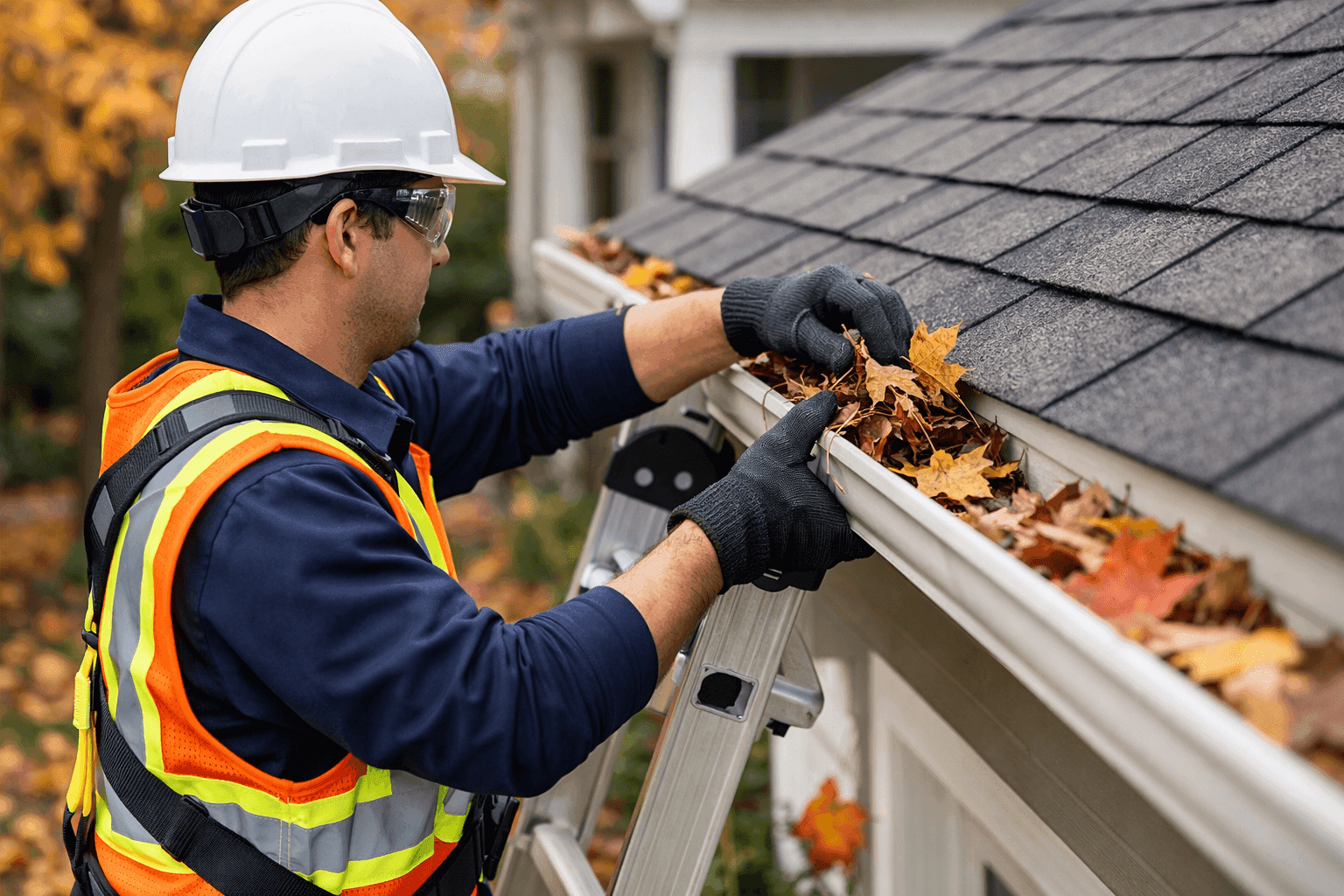
Gutters rarely get the attention they deserve. Until, suddenly, water spills over the sides and puddles bloom around your foundation. Or maybe you spot a line of icicles in winter—pretty, but a warning sign. At Overhead Roofing, we know a clean gutter is the first line of defense for your roof and your home.
Neglecting gutter cleaning is like ignoring a check engine light. The trouble might not show up today, but it’s coming. Let’s break down why clean gutters matter, how often to tackle the job, and what to watch for before small leaks become big headaches.
How Gutters Protect Your Roof
Rainwater is relentless. Without gutters, or with clogged ones, water runs down your roof’s edge like a waterfall. Over time, this can erode your landscaping, warp your siding, and seep into your foundation. Think of gutters as a riverbed—guiding rain safely away from your home.
- Shielding your roof: Gutters catch and channel rainwater, protecting shingles, flashing, and the roof deck from standing moisture.
- Preserving structure: Proper drainage prevents wood rot and keeps mold from setting in.
- Guarding foundations: Water that isn’t directed away can crack foundations or flood basements.
No matter your roofing style—Tile Roofing, Shingle, or Metal—functional gutters keep expensive repairs at bay.
Risks of Clogged or Overflowing Gutters 🌧️
Clogged gutters are like blocked arteries. Everything backs up. Water spills over, pooling in places it shouldn’t—on your roof, near your eaves, or around your home’s perimeter. The risks aren’t just cosmetic:
- Roof leaks: Standing water can sneak under shingles or tiles, creating leaks that rot wood and ruin insulation.
- Ice dams: In colder months, trapped water freezes, pushing up under roofing and causing serious damage.
- Pest invasion: Damp debris attracts insects, birds, and even rodents looking for a new home.
- Sagging gutters: The extra weight can pull gutters away from the fascia, bending or breaking them.
Ignoring a gutter full of leaves is like ignoring a leaky faucet—it only gets worse.
Safe Cleaning Steps and Frequency
Gutter cleaning isn’t glamorous, but it’s straightforward with the right approach. Here’s how to keep yourself—and your gutters—safe:
- Safety first: Use a sturdy ladder on level ground. Wear gloves to protect against sharp debris.
- Scoop and flush: Remove leaves and dirt with a small scoop. Flush the gutter with a garden hose to check for blockages.
- Inspect downspouts: Make sure water flows freely. Clogs here are easy to miss but can cause major headaches.
- Check for damage: Look for loose brackets, rust, or cracks as you clean.
How often?
Twice a year is standard—once in spring and again in fall. More often if you’re surrounded by trees or after a big storm.
For tough clogs or high roofs, it’s smart to call a roofing professional. Don’t risk your safety for a stubborn downspout.
Warning Signs Your Gutters Need Attention 🚩
Gutters rarely shout for help. Instead, they whisper—if you know how to listen. Watch for:
- Water spilling over the sides, especially during rain.
- Sagging or pulling away from the house.
- Visible plant growth or nests in the gutter channel.
- Stains on siding or water pooling near the foundation.
- Peeling paint or rust on gutters.
If you spot these symptoms, it’s time to act. Early intervention can save you from expensive repairs down the road.
What Happens During Professional Gutter Cleaning?
When Overhead Roofing arrives for a gutter-cleaning job, we do more than just remove leaves. Our trained team checks for:
- Proper gutter slope
- Secure fastenings and brackets
- Signs of rot, rust, or hidden leaks
- Blockages in downspouts
- Damage to gutter guards or screens
We also inspect your roofing edges and flashing, since problems here often start with neglected gutters.
DIY vs. Call a Pro: Knowing Your Limits
There’s a certain pride in handling home maintenance yourself. But gutter cleaning has its limits. Here’s when DIY is okay—and when to bring in help:
DIY if:
- Your gutters are easily accessible.
- You have a sturdy ladder and safety gear.
- There’s no sign of major damage or leaks.
Call a pro if:
- Your home is two stories or more.
- You spot sagging, detached gutters, or roof leaks.
- You aren’t comfortable with heights or don’t have the right tools.
Remember, the CDC warns that ladder falls are a leading cause of home injuries. Don’t gamble with your safety.
Prevention & Maintenance Tips
A little prevention saves a lot of hassle. Try these tips:
- Install gutter guards to keep out leaves and debris.
- Trim tree branches that overhang your roof.
- Schedule regular inspections—especially after storms.
- Keep an eye on your downspouts. Water should flow away from your foundation, not pool at its base.
Annual roof and gutter inspections are especially important if you have Tile Roofing near you, as tiles can shift and allow water intrusion if not maintained.
Common Mistakes to Avoid 🚫
It’s easy to make missteps with gutter care. Some to watch for:
- Waiting too long between cleanings.
- Ignoring small leaks or cracks.
- Using pressure washers that can damage seals.
- Not checking downspouts for hidden blockages.
If you’re unsure, call in a professional for guidance before small mistakes turn into big repairs.
Seasonal Considerations
- Spring: Clear away winter debris and check for damage from ice or snow.
- Fall: Remove fallen leaves before rain and freezing temperatures set in.
- Summer: Check for pest nests or signs of plant growth.
- Winter: Watch for ice dams and keep gutters clear to prevent freezing.
Each season brings its own challenges. Make gutter cleaning part of your regular routine.
Emergency Gutter Issues: When to Act Fast
Sometimes, gutter problems can’t wait:
- Water is pouring over the sides during a storm.
- You find water inside your attic or along interior walls.
- Gutters have pulled away from your house.
In these cases, call for emergency services. Quick action can prevent thousands in repairs.
Costs & Time Factors
The cost of gutter cleaning depends on your home’s size, gutter condition, and roof height. Most jobs take a few hours. The peace of mind? Lasts all season.
Neglect can lead to expensive repairs—roof rot, foundation cracks, even mold inside your home. Regular upkeep is an investment in your property’s value.
FAQs: Quick Answers to Common Gutter Cleaning Questions
How often should I clean my gutters?
At least twice a year, more if you have lots of trees or recent storms.
Can clogged gutters really damage my roof?
Yes. Overflowing water can cause leaks, rot, and even structural problems.
Are gutter guards worth it?
They help, but aren’t foolproof. You’ll still need to check for small debris and do occasional cleaning.
Is gutter cleaning dangerous?
It can be if you don’t have the right equipment or experience. Safety should always come first.
Timeline & Disruption: What to Expect
For most homes, gutter cleaning takes half a day or less. Our team works efficiently, minimizing disruption to your routine. We’ll let you know if we spot issues that need gutter-repair or downspout-repair so you can fix small problems before they grow.
Gutter Cleaning and Roof Health Go Hand in Hand
Your roof is only as strong as its weakest link. Gutters may seem small, but they play a giant role in your home’s safety and comfort. Regular cleaning keeps water flowing, pests out, and your roof in peak condition.
If you’re searching for reliable Gutter Cleaning, roofing, or maintenance, Overhead Roofing is here to help. Our team has proudly served roofing services in Anderson and beyond, ensuring homes stay dry and damage-free year-round.
Call Overhead Roofing now — or reach us anytime at 855-554-4704 .