Why Downspouts Matter: Preventing Water Damage at Home
Has your home ever been caught in a sudden downpour? You probably watched water gush from the roof, rushing through gutters and downspouts. But what happens when that system fails—when water spills over, pooling near your foundation or sneaking into your basement?
At Overhead Roofing, we see how something as simple as a downspout can make or break your home’s defenses. Water damage is a silent threat, and downspouts are the unsung heroes. Here’s why they matter, how to spot problems, and what you can do to keep your home safe.
What Are Downspouts?
Downspouts are the pipes attached to the corners of your house, channeling rainwater from the gutters down to the ground or a drainage system. Think of them as the exit ramps on a highway—directing traffic (water) away from your home’s most vulnerable areas.
- Usually made from aluminum, steel, or vinyl
- Installed vertically at the ends of gutters
- Connected to splash blocks, drains, or extensions
Without downspouts, water would simply pour off your roof, eroding soil, soaking landscaping, and putting your home’s foundation at risk.
How Downspouts Protect Your Home 🏠
A healthy downspout system is like a good umbrella—it keeps the storm at bay. Here’s how:
- Prevents foundation damage: By steering water at least six feet from your house, downspouts help keep your basement and crawlspace dry.
- Stops soil erosion: Water blasting straight off the roof can wash away soil and mulch, undermining landscaping.
- Keeps siding and walls dry: Splashback can lead to rot, stains, and even mold inside exterior walls.
- Protects driveways and walkways: Water runoff can crack pavement or turn paths into slippery hazards.
According to the International Association of Certified Home Inspectors, a properly installed downspout is one of the best defenses against basement leaks and structural decay.
Downspout Problems and Warning Signs
Downspouts work hard, but they’re not invincible. Watch for these telltale issues:
- Water pouring over gutter edges during rain
- Stains or peeling paint on siding
- Pooling water near downspout outlets
- Rust spots or splits in the downspout pipe
- Mold or musty odors in the basement
If you spot any of these, your downspout may be clogged, disconnected, or undersized for your roof. These problems can snowball—fast.
Upgrading and Maintaining Downspouts
Downspouts are like any part of your roofing system—they need the right care and the occasional upgrade. Here’s what to know:
Routine Maintenance
- Clean gutters and downspouts twice a year: Spring and fall, especially after heavy storms or if you have trees nearby.
- Check for clogs after storms: Leaves, twigs, and even bird nests can block the flow.
- Inspect joints and brackets: Ensure everything is tightly secured to the house.
When to Upgrade
Sometimes, a patch job isn’t enough. Consider replacement if:
- Your downspouts are too narrow for your roof’s size
- Corrosion or cracks are widespread
- Extensions are missing or damaged
- You’re updating your whole gutter system
Ask your roofing contractor about seamless downspouts or larger-diameter pipes if you’ve had water problems in the past.
Downspouts and the Bigger Water Management Picture
Think of your home as a team—the roof, gutters, downspouts, and foundation all playing their part. If downspouts fail, the whole system is compromised.
- Tile Roofing near you or shingle roofs both rely on efficient drainage to prevent leaks.
- Gutters channel water horizontally; downspouts move it vertically and away.
- Even the best roofing can’t protect your home if water pools at the base.
Downspouts are essential, not optional.
DIY or Call a Pro?
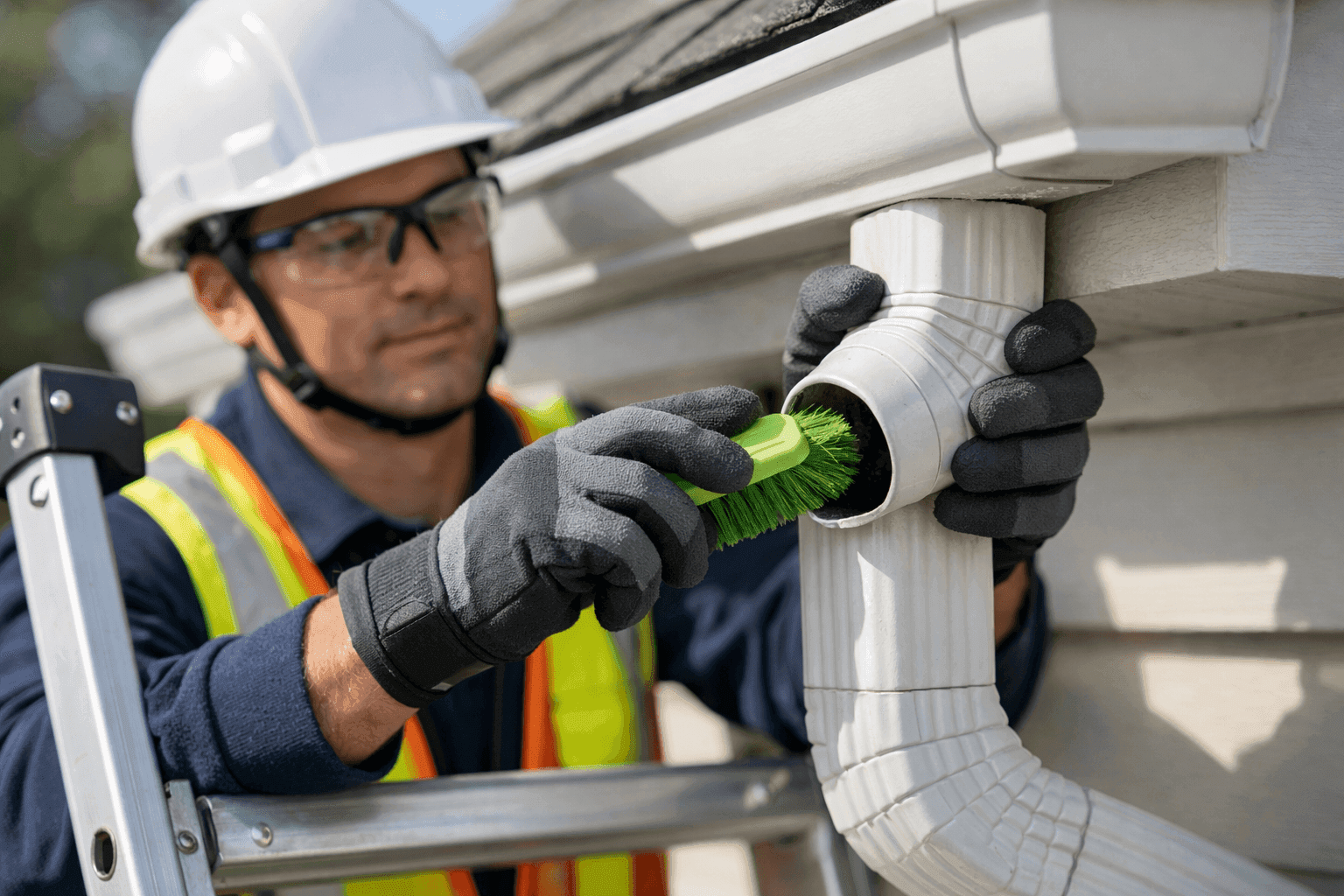
Some homeowners tackle downspout cleaning themselves. For a single-story home and basic clogs, that’s often safe—just use a sturdy ladder, gloves, and a garden hose.
But if you notice:
- Downspouts pulling away from the house
- Persistent leaks or overflow
- Complex gutter layouts or multi-story roofs
…it’s time to call in professionals. They have the tools and know-how to spot hidden damage, recommend the right size downspout, and ensure everything meets building codes (see International Residential Code for drainage guidelines).
What Pros Do on Arrival
When you call Overhead Roofing for downspout installation or downspout repair:
- We inspect the entire water management system, including gutters and flashing
- Remove blockages and check for internal corrosion
- Reseal or replace joints and extension pipes
- Recommend upgrades if your roof size or local rainfall demands it
Our team follows local code and safety standards to keep your home protected long-term.
Prevention & Maintenance: Tips for Homeowners 🧰
- Trim trees near your roof to reduce debris in gutters and downspouts.
- Install gutter guards to minimize future clogs.
- Direct all downspout outlets at least six feet from your foundation (use extensions or splash blocks).
- Check after heavy storms for signs of overflow or damage.
Small habits now save big headaches later.
Costs and Time Factors
Downspout repairs are usually affordable—often less than replacing a whole gutter system or fixing water damage. Costs depend on materials, roof height, and the extent of repairs.
- Basic cleaning: a couple of hours
- Repairing splits or reattaching brackets: half a day
- Full replacement or upgrades: one day for most homes
Remember, postponing maintenance often leads to bigger, more expensive problems.
When It’s an Emergency
If you see water pouring into your basement or pooling near your home’s foundation during a storm, act fast.
- Clear debris from the downspout’s base if safe
- Call for emergency gutter repair if overflow or leaks persist
- In winter, watch for ice dams—these can block proper flow and cause sudden leaks
Your safety comes first—never climb on a wet or icy roof.
Seasonal Considerations
- Spring: Clean out winter debris, check for freeze damage.
- Summer: Inspect after storms; address any sagging or leaks.
- Fall: Remove leaves before heavy rains; confirm all outlets are clear.
- Winter: Monitor for ice buildup and make sure meltwater flows freely.
A quick seasonal check prevents year-round problems.
Common Mistakes
- Ignoring minor leaks or clogs—these add up!
- Letting downspouts empty right next to the foundation
- Using undersized downspout pipes for a large roof
- Forgetting to inspect hidden sections or underground drains
Avoid these pitfalls for long-term home protection.
Frequently Asked Questions
How often should I clean my downspouts?
Twice a year is standard—more if you have many trees nearby. After big storms, a quick check is wise.
Can I install downspout extensions myself?
Yes, for simple above-ground extensions. Underground or complex systems are best left to the pros.
What size downspout do I need?
Most homes use 2"x3" or 3"x4" downspouts, but larger roofs or areas with heavy rainfall may need bigger pipes. Ask your installer for recommendations based on local code and roof size.
Are there eco-friendly options?
Yes—rain barrels and diverters can help collect water for gardens, reducing runoff and saving money.
Timeline & Disruption
Most downspout repairs or upgrades cause minimal disruption—just some ladder work and the sound of tools. Our team aims for tidy, fast service, respecting your property and routine.
Materials and Equipment
Downspouts come in several materials:
- Aluminum (popular and rust-resistant)
- Galvanized steel (more durable, but can corrode)
- Vinyl (budget-friendly, but less sturdy)
Choose the right material for your climate and style. We’ll provide options and practical advice.
A healthy downspout is your home’s first line of defense against costly water damage. Don’t wait until water finds its way inside—take charge of your home’s protection today.
Call Overhead Roofing now — or reach us anytime at 855-554-4704 .