When to Schedule Your Next Professional Roof Inspection
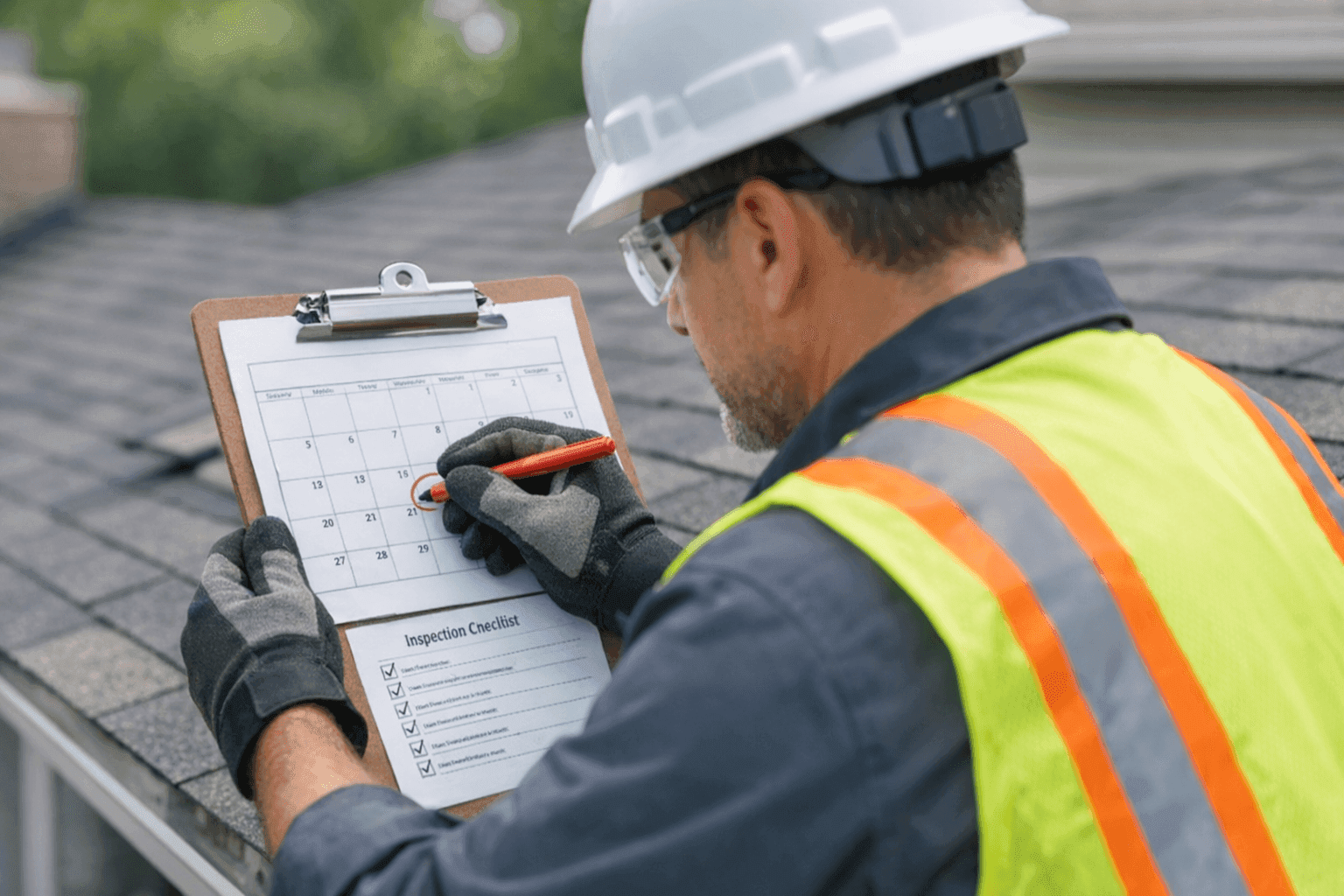
Roofing isn’t something homeowners think about every morning. Until, suddenly, you do. Maybe you spot a stain on the ceiling after a thunderstorm. Maybe your neighbor’s shingles scatter across the grass. Or maybe you just want that peace of mind—knowing your home is protected, season after season.
At Overhead Roofing, we believe in smart, scheduled care. Not scare tactics. A well-timed roof inspection can be the difference between a simple fix and a major headache down the road.
Why Regular Inspections Matter 🏠
Your roof is more than just a hat for your house—it’s a shield. It keeps out rain, snow, blazing sun, and biting cold. Like any shield, it only works if it’s solid and intact.
Regular roof inspections help spot problems before they grow. Think of it as a yearly health checkup for your home. Inspections catch small leaks, cracked tiles, loose flashing, or worn-out shingles long before they turn into big, expensive issues. The National Roofing Contractors Association (NRCA) and the International Association of Certified Home Inspectors (InterNACHI) both recommend routine checks to extend your roof’s life and keep your family safe.
How Often to Inspect (By Roof Age/Type)
Not all roofs age the same. Tile, shingle, and metal roofing each have their own lifespans and quirks. Here’s a simple breakdown:
- Brand-New Roofs (0–5 years): Inspect every 2 years. Still, after major storms, always check for hidden damage.
- Midlife Roofs (5–15 years): Once a year is best. As materials settle and weather takes its toll, yearly inspections spot early warning signs.
- Older Roofs (15+ years): Twice a year. Aging roofs need more attention—especially before and after harsh seasons.
Roof type matters too:
- Tile Roofing near you: Durable, but tiles can crack or slip out of place. Annual checks help.
- Shingle Roofs: Prone to curling, cracking, or losing granules. Inspect annually, plus after storms.
- Metal Roofs: Long-lasting, but seams and fasteners may loosen. Yearly is usually enough.
Have a flat roof, skylight, or lots of trees overhead? You’ll want to stick to the more frequent side. If you’re unsure, ask a qualified roofing contractor for advice tailored to your home’s needs.
Seasonal and Post-Storm Inspections
Minnesota winters. Spring thunderstorms. Sweltering summer heat. Each season brings its own risks. That’s why timing your inspections can save you money and stress.
- Spring: Check for ice dam damage, missing shingles, and leaks after freeze-thaw cycles.
- Fall: Prepare for winter—clean gutters, assess flashing, and spot worn sealants before snow piles up.
- After Severe Storms: High winds, hail, or heavy rain? Inspect right away. Even if you don’t see obvious damage, hidden problems can lead to leaks or mold.
What to Expect During an Inspection 🔍
A professional roof inspection is thorough but straightforward. Here’s what happens:
- Visual scan from the ground for obvious sagging, missing shingles, or clogged gutters.
- Hands-on check of roof surface for soft spots, cracks, or loose materials.
- Inspection of skylights, chimneys, flashing, and vents.
- Attic review: looking for moisture, sunlight peeking through, or insulation problems.
- Written report with photos, notes, and practical recommendations.
No guesswork. No unnecessary repairs. Just facts, so you can make informed choices.
Quick Safety Checklist for Homeowners
Before climbing any ladders, remember: safety first. If you do want to spot-check between inspections, keep both feet on the ground and look for:
- Broken or missing shingles/tiles
- Overflowing or sagging gutters
- Shingle granules in downspouts
- Water stains inside your attic or ceilings
- Moss or plant growth on the roof
Anything looks off? Call a professional. It’s not worth the risk.
DIY vs. Call a Pro
Some things are best left to the pros—roof inspections are high on that list. While you can spot obvious issues from the ground, a licensed roofer brings trained eyes and knows what to look for. Plus, we have the right safety gear and insurance.
DIY can handle gutter cleaning or clearing branches, but for anything else—especially after storms or if your roof is older—call in a professional for a full assessment. Our Inspections service is designed just for this.
Prevention & Maintenance: The Smart Homeowner’s Secret
Think of preventative maintenance like brushing your teeth. It’s small effort now that saves big trouble later. A regular inspection schedule paired with timely repairs and cleanings keeps your roof strong, season after season.
We recommend pairing inspections with our Preventative Maintenance plans. These combine professional checkups, minor repairs, and guidance—so you always know your roof’s status.
Costs & Time Factors
Worried about the cost or disruption? Most inspections take just an hour or two. You don’t need to be home the whole time, and there’s no mess left behind.
Prices vary depending on roof size, pitch, and type. But whatever you invest in inspections pales in comparison to the price of emergency repairs or early roof replacement.
When It’s an Emergency
Some situations just can’t wait:
- Water dripping inside during a storm
- Large branches or debris crashing onto the roof
- Obvious structural sagging
These are red flags. Call for emergency roofing services right away. Quick action can prevent further damage to your home’s structure and belongings.
Timeline & Disruption
Worried about your day being upended? Most inspections are quick and low-impact. You’ll get a full report faster than you think—often within the same day.
If repairs are needed, we’ll explain the scope and timing. Many fixes (like shingle replacement or flashing repair) can be handled with minimal disruption.
Materials & Equipment Pros Use
Professional roofers arrive with more than just a ladder. We use moisture meters, drones for hard-to-reach spots, safety harnesses, and specialized tools to check things you might never notice from the ground.
These tools let us spot issues early, so you avoid costly surprises down the line.
Common Mistakes Homeowners Make
- Ignoring minor leaks: That “little” drip can rot wood or grow mold.
- Skipping regular checks: Out of sight, out of mind—until it’s too late.
- DIY repairs without expertise: A patch now could cause a bigger problem later.
A little planning goes a long way. Don’t wait for a problem to force your hand.
Signs of Trouble: What Not to Ignore
- Curling, cracked, or missing shingles/tiles
- Rust on metal flashing or gutters
- Sagging rooflines
- Granules in gutters or downspouts
- Musty odors or water stains inside
If any of these crop up, it’s time for a professional look.
FAQ: Your Top Roof Inspection Questions
How long does an inspection take?
Usually 1–2 hours, depending on roof size and complexity.
Should I be home?
Not always, but it helps if you are—so we can walk you through findings and recommendations.
Is it safe to walk on my roof?
For most homeowners, no. Roofs are slippery, steep, and sometimes fragile. Leave it to the pros.
What if my roof fails inspection?
Most issues can be repaired. We’ll explain your options and next steps, so you stay in control.
Real-World References
Overhead Roofing follows guidelines from organizations like the NRCA, OSHA, and local building codes. This ensures every inspection is safe, thorough, and up to today’s best practices.
The Bottom Line
Scheduling your next professional roof inspection is one of the wisest moves you can make as a homeowner. Like rotating your car’s tires or servicing your furnace, it’s simple maintenance that keeps the big issues at bay.
Looking for reliable roof repair or want to set up a preventative maintenance plan? We’re here for you.
Call Overhead Roofing now — or reach us anytime at 855-554-4704 .