What to Expect During a Professional Roof Inspection
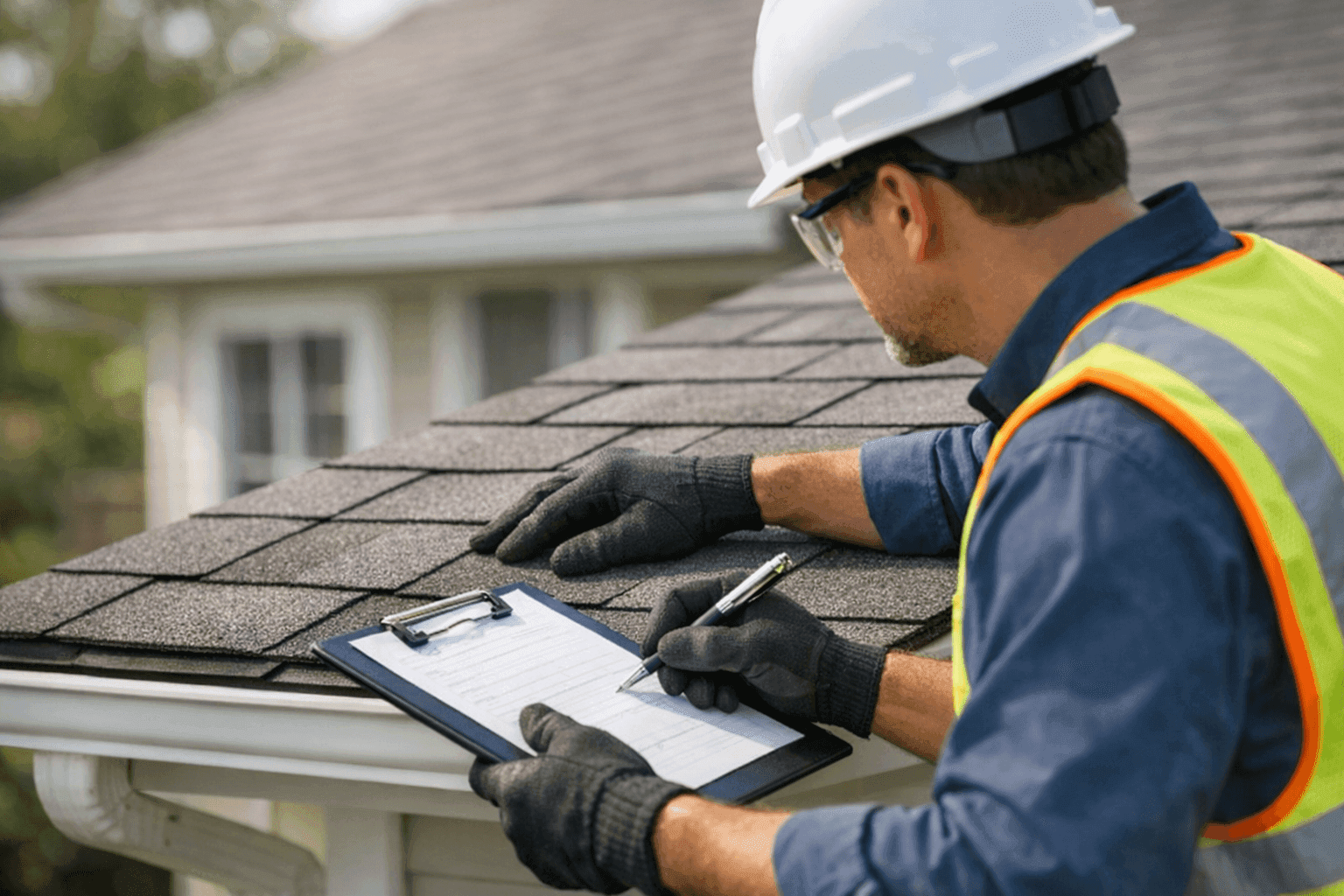
Is your roof hiding problems overhead? Most leaks and damage start quietly—unseen until they turn into a much bigger headache. If you’re like many homeowners, just the thought of climbing a ladder makes you think twice. That’s exactly why professional roof inspections exist.
At Overhead Roofing, we know your home is more than just four walls and a roof. It’s your greatest investment, and you want it protected. Here’s what you can expect when you schedule a professional roof inspection—no surprises, just straightforward insight.
Why Get a Professional Roof Inspection? 🕵️
Think of your roof as your home’s umbrella. Even the smallest crack or missing shingle can let in rain, wind, or pests, leading to bigger issues down the road. A professional inspection gives you a clear, honest look at your roof’s condition—before minor problems turn major.
- Peace of mind: Know exactly what’s happening over your head.
- Catch issues early: Save money by fixing small problems before they grow.
- Insurance needs: Many policies require regular inspections, especially after storms.
- Home value: A well-maintained roof makes selling your home easier.
The National Roofing Contractors Association (NRCA) and the International Association of Certified Home Inspectors both recommend routine inspections, at least twice a year—ideally in spring and fall.
Step-by-Step Inspection Process
What happens from the moment the pros arrive? Here’s a walk-through, so you know what to expect:
- Arrival and greeting: Inspectors introduce themselves, review your concerns, and explain the process.
- Safety setup: Ladders, harnesses, and gear come out. Safety is priority number one.
- Exterior inspection: A careful walk-around and roof-top check for visible damage.
- Attic and interior check: If safe access is possible, inspectors look for leaks or signs of water inside.
- Detailed notes: Photos, written observations, and sometimes video are taken.
- Discussion: You’ll get a verbal summary of findings on the spot.
- Written report: A full report (with photos) usually follows within a few days.
Expect the process to take 45–90 minutes for most standard residential roofs. Larger or more complex roofs—like tile roofing or metal roofing—may take a bit longer.
What Inspectors Look For
A thorough inspection covers every angle. Here’s where the pros focus their attention:
Exterior
- Shingles, tiles, or metal panels: Cracks, curling, missing pieces, or rust.
- Flashing: Metal strips around chimneys, vents, and edges, checked for gaps or corrosion.
- Sealants and coatings: Signs of wear, peeling, or failed adhesives.
- Skylights and chimneys: Cracks, leaks, or poor seals.
- Cap services: The protective ridge at the roof’s peak—often missed in DIY checks.
- Storm damage: Hail dents, wind-lifted shingles, or debris impact.
Attic
- Water stains or mold: Signs of leaks aren’t always visible outside.
- Insulation and ventilation: Proper airflow prevents mold and heat damage.
- Structural components: Sagging, rot, or pest damage.
Gutters & Downspouts
- Clogs: Leaves and debris can back up water, causing leaks.
- Rust or sagging: Weak spots can lead to overflow and foundation problems.
- Gutter guards: Checked for proper fit and function.
Flashing & Roof Edges
- Chimney flashing: Crucial for preventing water entry.
- Eaves and rakes: Edges are checked for rot and secure attachments.
Quick Safety Checklist Before the Inspection
- Move cars away from the house for easy ladder access.
- Secure pets indoors.
- Clear patio furniture or toys from around the home’s perimeter.
- Provide attic access if possible.
Inspectors follow Occupational Safety and Health Administration (OSHA) guidelines for safe ladder use and fall protection. Your safety—and theirs—is never left to chance.
DIY vs. Call a Pro
It’s tempting to grab a ladder and check things out yourself. But be careful—a slip or missed problem can cost you more than you save. Professional inspectors have trained eyes, specialized tools, and the right safety gear.
- Pros use moisture meters: They spot leaks invisible to the naked eye.
- Thermal cameras: Detect heat loss or hidden water damage.
- Experience: They know where and how to look, and what warning signs matter.
Still want to keep an eye on things yourself? From the ground, use binoculars to check for missing shingles or sagging gutters. But leave anything risky or detailed to the professionals.
Prevention & Maintenance: Why Inspections Matter
Regular inspections are the cornerstone of Preventative Maintenance. Like changing oil in your car, they keep your roof running longer and save you from costly breakdowns.
- Catch leaks before they ruin drywall or flooring.
- Spot loose flashing before wind or rain rips it loose.
- Find clogged gutters before water backs up into your attic.
A good inspection also helps plan for the future. Maybe your roof has a few years of life left, or maybe it’s time to consider replacement. Either way, you’ll know.
Costs & Time Factors: What to Expect
Most professional roof inspections for a residential home are affordable, especially compared to emergency repairs. Costs vary depending on roof type—flat roofs, tile roofing, and skylights may take extra time.
- Time: Plan for about an hour.
- Cost: Varies by size and complexity; check with your local roofing company for details.
Remember, inspection costs are small compared to the price of emergency repairs or roof replacement.
When It’s an Emergency
After a major storm, roof leaks, or visible damage—don’t wait. Emergency services are available, but acting fast can prevent further loss.
- Tarping: Protects your home until repairs can be made.
- Immediate assessment: Identifies urgent needs so you can plan next steps.
Not sure if it’s urgent? If you see water stains, hear dripping, or notice missing shingles, call right away.
FAQ: Common Questions About Roof Inspections
How often should I schedule an inspection? Twice a year—spring and fall—plus after major storms, per NRCA recommendations.
Will the inspector go on the roof? Yes, unless it’s unsafe (wet, icy, or too steep). In those cases, drones or cameras may be used.
Do I need to be home? It helps, but arrangements can be made if you’re away.
What if repairs are needed? You’ll get a clear report and options. Repairs can be scheduled at your convenience.
Seasonal Considerations for Your Roof
Each season brings its own challenges.
- Winter: Ice dams and snow buildup.
- Spring: Heavy rain, wind, and fallen branches.
- Summer: Sun can warp or dry out materials.
- Fall: Leaves clog gutters, leading to water backup.
Regular inspections help you stay ahead—no matter the weather.
Common Mistakes Homeowners Make
- Ignoring small leaks. They get bigger.
- Skipping regular inspections. Out of sight, out of mind isn’t a good strategy.
- DIY repairs without proper tools. Can cause more harm than good.
- Not cleaning gutters. Overflow leads to rot and mold.
Signs of Trouble: What to Watch For
Keep an eye out for:
- Water stains or peeling paint on ceilings.
- Missing or curling shingles.
- Granules in gutters (from asphalt shingles).
- Sagging rooflines.
- Unexplained spikes in energy bills.
If you spot these, schedule an inspection right away.
Timeline & Disruption: Will an Inspection Interrupt My Day?
Most inspections are quick and non-intrusive. Inspectors work around your schedule and minimize disruption. No loud tools, no mess—just a careful, professional checkup.
Materials & Equipment Used
- Ladders, harnesses, and safety gear.
- Infrared cameras and moisture meters.
- Flashlights, mirrors, and inspection cameras.
- Tablets or clipboards for detailed notes and photos.
Pros don’t rely on guesswork—they use the right tools for the job.
What Happens After the Inspection
After the inspection, you’ll receive:
- A detailed written report: Includes findings, photos, and recommendations.
- An honest conversation: We walk you through everything, answer questions, and help you decide if repairs or maintenance are needed.
- Customized plan: Whether it’s routine maintenance or urgent repairs, you’ll know your options.
You’re never pressured—just informed, empowered, and ready to take the next step.
Roof Repair and Preventative Maintenance: Your Next Steps
If the inspection reveals issues, Roof Repair or preventative maintenance can often solve them. From shingle replacement to gutter cleaning, the right fix is just a call away.
Looking for roofing services in your area? Overhead Roofing offers inspections, repairs, and maintenance you can count on.
Call Overhead Roofing now — or reach us anytime at 855-554-4704 .