What Is Roof Flashing and Why Is It So Important?
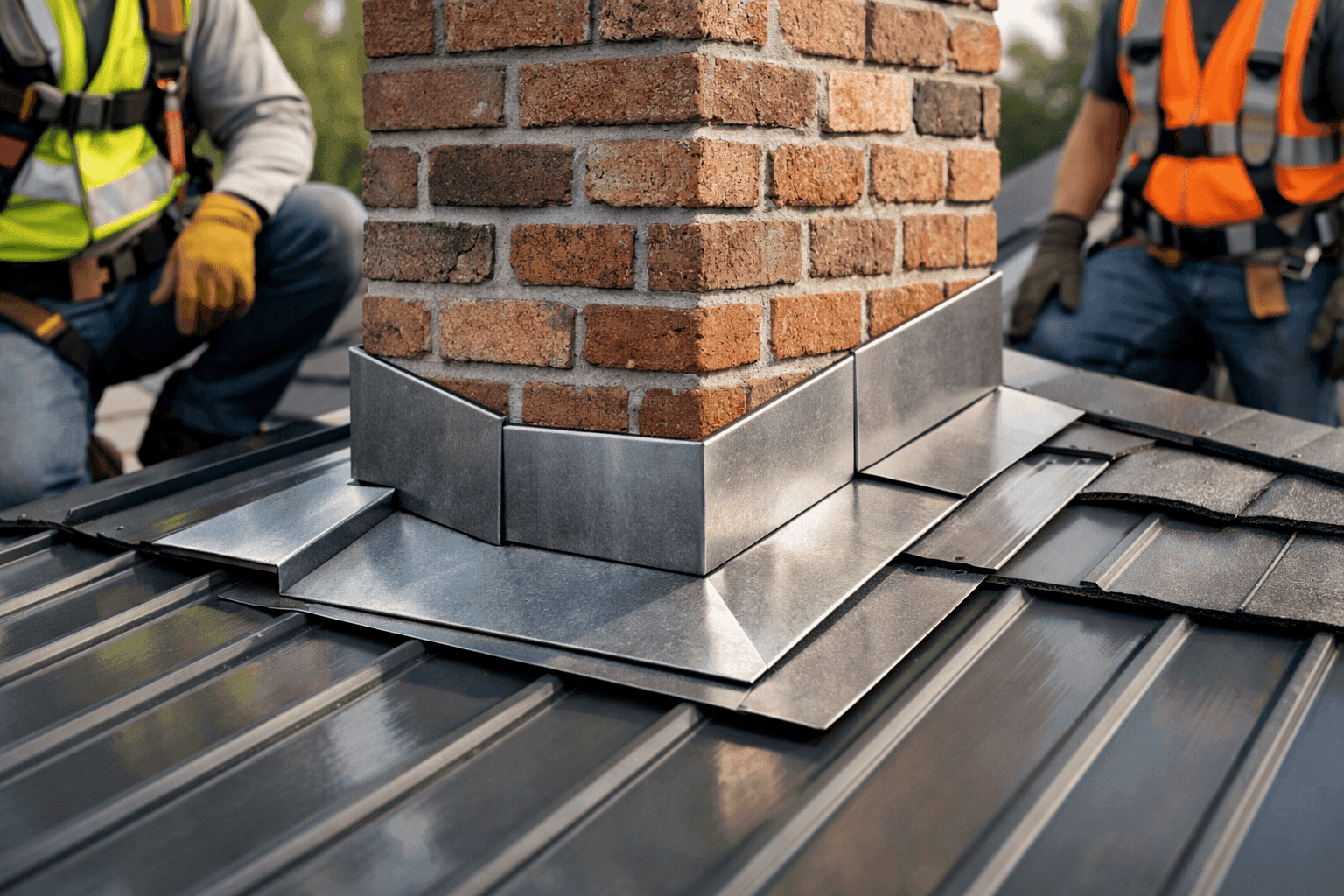
Have you ever noticed the thin strips of metal or plastic tucked around your chimney or skylight? Most people don’t—until water starts dripping onto the kitchen table. Your roof’s flashing is the unsung hero, quietly steering rain away from the places it could do real damage.
At Overhead Roofing, we’ve seen time and again how a simple flashing issue can lead to major headaches. Let’s break down what roof flashing is, why it’s so crucial, and what you should watch for to keep your home safe and dry.
What Is Roof Flashing?
Picture a raincoat for your house. Flashing is the waterproof barrier that hugs the tricky corners—chimneys, vents, valleys—where shingles or tiles alone can’t keep out water. It’s usually made of metal like aluminum, galvanized steel, or copper, though sometimes you’ll see plastic or rubber.
Think of it as the tight seal on a jar. No matter how strong the lid (your shingles), if the seal isn’t snug, water finds a way in. Flashing makes sure water can’t sneak through the cracks.
Where Flashing Is Used (Chimneys, Vents, Valleys) 🏠
Flashing isn’t just stuck on randomly—it’s placed where your roof is most vulnerable:
- Chimneys: The spot where your brick meets shingles is a magnet for leaks. Step flashing and counterflashing are layered here to keep water at bay.
- Vents & Skylights: Pipes, bathroom vents, and skylights all punch holes in your roof. Flashing wraps around these like a custom raincoat.
- Valleys: Where two roof planes meet (forming a “V”), water rushes faster. Valley flashing channels that water safely into gutters.
- Roof Edges & Eaves: Drip edge flashing keeps wind-driven rain from sneaking under your first row of shingles.
Each of these spots is like a weak link in a chain. Without flashing, it’s only a matter of time before water wins.
Common Flashing Problems
Even the best flashing can run into trouble. Here’s what we see most often:
- Corrosion & Rust: Metal flashing can rust, especially if the coating wears off.
- Cracked Sealant: Over time, caulking or roof cement breaks down, creating tiny gaps.
- Improper Installation: If flashing isn’t tucked, layered, or fastened right, water will find the flaw.
- Physical Damage: High winds, falling branches, or even a misplaced ladder can bend or loosen flashing.
- Old Age: Like any part of your roof, flashing doesn’t last forever. Exposure to sun and weather wears it out.
Spotting these issues early can save you from bigger repairs down the road.
Why Proper Flashing Prevents Leaks
Water is patient—it only needs a pinhole to get inside. Once it’s in, it soaks insulation, stains ceilings, and can even rot your home’s wood framing. Flashing is the barrier that stops this invasion.
When flashing is installed right, water flows over and away from your home, not into it. It’s the difference between a rainy day and a ruined living room.
Signs Your Flashing Needs Attention 👀
Wondering if your flashing’s in trouble? Here’s what to look for:
- Stains on ceilings or walls, especially after rain
- Rust streaks or visible gaps near chimneys, vents, or valleys
- Shingles lifting or curling near roof edges
- Damp attic insulation or musty smells
- Dripping sounds during storms
If you spot any of these, it’s time for a closer look—or a call to Overhead Roofing.
Quick Safety Checklist Before Inspecting
Before you climb up for a peek, think safety first:
- Never inspect your roof during wet, icy, or windy conditions.
- Use a sturdy ladder on flat, stable ground.
- Wear rubber-soled shoes for better grip.
- If your roof is steep, high, or you’re not comfortable—don’t risk it. Call in a professional.
The National Roofing Contractors Association (NRCA) recommends regular visual checks, but always put safety first.
DIY vs. Call a Pro: When to Get Help
Some homeowners feel handy enough to check their own flashing. But replacing or repairing flashing isn’t like painting a fence. It requires careful layering and sealing, often under shingles or tiles. One wrong move can make leaks worse.
If you see obvious damage, missing flashing, or water stains inside, it’s best to let professionals handle it. Overhead Roofing has the right tools and know-how to make sure your roof stays watertight.
What Pros Do On Arrival
When our team arrives for a roof flashing repair, here’s what you can expect:
- Thorough Inspection: We check not just the flashing, but the surrounding shingles, sealant, and wood.
- Material Match: Flashing must be compatible with your roofing material—metal, tile, or shingle.
- Layering & Sealing: Flashing is installed underneath and over adjacent materials for a tight fit.
- Testing: We may run water over repaired areas to make sure the leak is truly gone.
We also recommend scheduling inspections as part of your home’s annual maintenance.
Prevention & Maintenance Tips 🛠️
A little attention goes a long way. Here’s how to keep your flashing in top shape:
- Clear gutters and downspouts so water doesn’t back up onto flashing.
- Check for rust or loose edges once or twice a year, especially after big storms.
- Trim overhanging branches to prevent falling limbs.
- Keep attic ventilation in good shape to avoid condensation (which can rust flashing from beneath).
Regular upkeep is key—just like changing the oil in your car.
Costs & Time Factors
Flashing repairs can range from a quick patch to a more involved fix, depending on the damage. Simple resealing might take less than an hour, while replacing flashing around a large chimney could take several hours and require removing nearby shingles or tiles.
While costs vary, catching problems early always saves money compared to fixing interior damage later.
When It’s an Emergency
Is water pouring in during a storm? Don’t wait—this is an emergency. Place buckets to catch drips, then call Overhead Roofing right away. Emergency flashing repairs can prevent thousands in damage to your walls, floors, and belongings.
Seasonal Considerations
Different seasons bring different risks:
- Winter: Freeze-thaw cycles can crack sealant and lift flashing.
- Spring: Heavy rains test every weak spot.
- Summer: Intense sun degrades caulking and metal.
- Fall: Falling leaves can clog gutters, forcing water back onto flashing.
Regular checks at the change of each season help spot trouble before it starts.
Common Mistakes Homeowners Make
- Ignoring small leaks, hoping they’ll go away
- Using caulk alone instead of proper flashing
- Covering damaged flashing with tar or roof cement—this is a short-term fix at best
- Attempting repairs without removing the right layers of shingles or tiles
Remember: short cuts lead to big costs later.
FAQ: Roof Flashing Edition
Q: How long does flashing last?
A: Metal flashing can last 20+ years, but sealant usually needs touch-ups every 5–10 years.
Q: Can you reuse old flashing?
A: It’s usually better to replace it—old nail holes and bends can let water in.
Q: Does every roof need flashing?
A: Absolutely—especially anywhere two materials or surfaces meet.
Timeline & Disruption
Most flashing repairs are quick and non-invasive. For larger jobs, like replacing flashing around a chimney or along a wide valley, plan for a few hours of noise and a bit of mess outside. We always clean up before we leave.
Materials & Equipment Used
At Overhead Roofing, we use:
- Galvanized steel, aluminum, or copper flashing (chosen for your roof type)
- Waterproof sealants and caulks rated for outdoor use
- Specialized roofing nails and fasteners
We follow guidance from the International Residential Code (IRC) and manufacturer best practices to make sure your home passes the toughest test—Mother Nature.
Why Overhead Roofing?
We’re residential roofing specialists, helping families just like yours keep their homes dry and comfortable. Whether you need Tile Roofing near you, leak repair, or roof flashing repair, our team is ready to help. If you’re looking for a trusted roofing company, we’re right here to answer your questions and keep your home protected.
Ready to Protect Your Home? ☂️
Don’t wait until water is a problem. If you spot signs of flashing wear—or just want peace of mind—let Overhead Roofing take a look. Our phone is always on, rain or shine.
Call Overhead Roofing now — or reach us anytime at 855-554-4704 .