Understanding Roof Warranties: What’s Covered and What’s Not
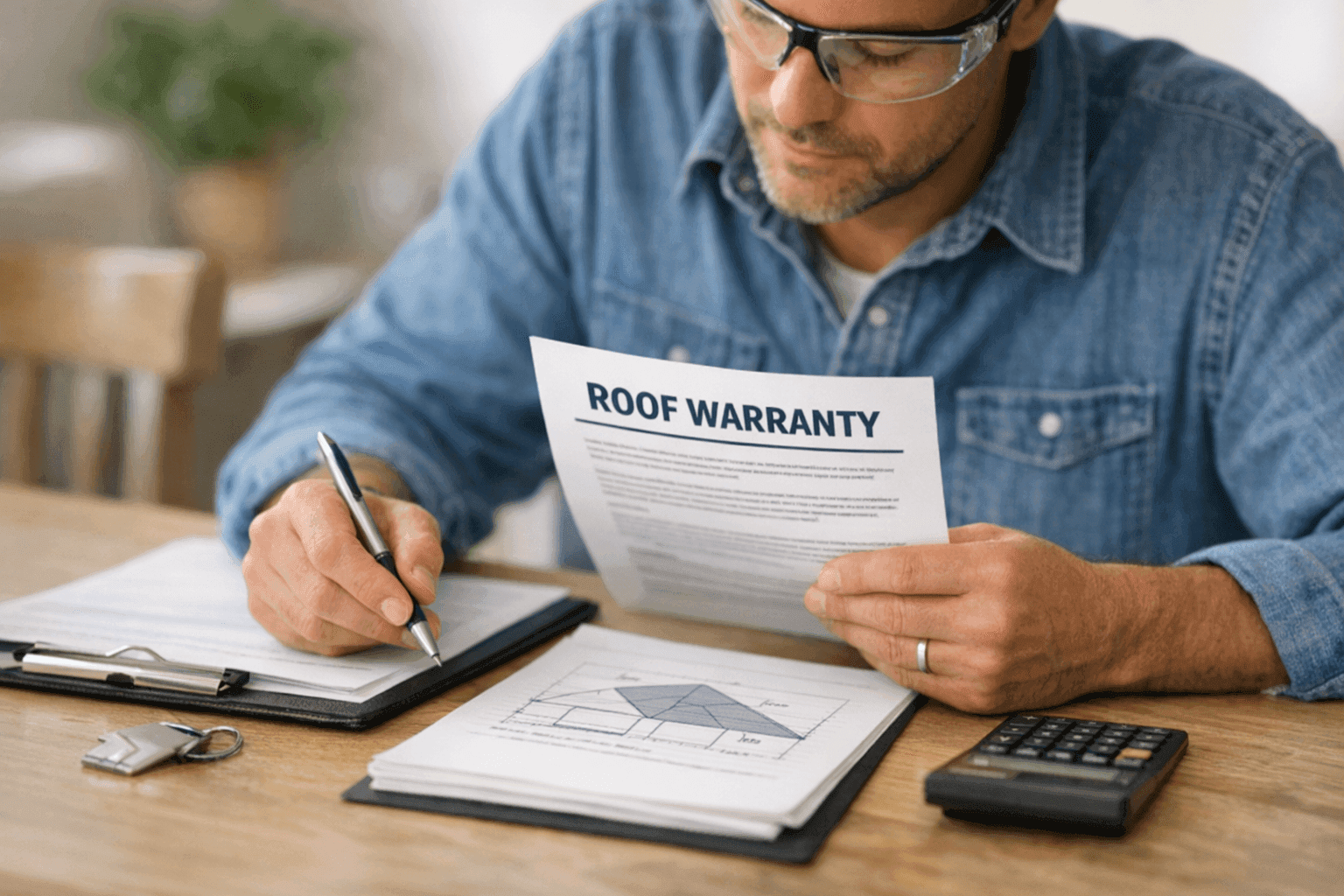
When you invest in a new roof, you want peace of mind. But roof warranties aren’t always as straightforward as they seem. Maybe you’ve heard stories of denied claims or loopholes that left homeowners footing the bill. You shouldn’t have to wonder what’s really protected.
At Overhead Roofing, we want you to know exactly where you stand. Whether you’re thinking about New Roof Installation, a much-needed Roof Repair, or just want to get smart before your next big home improvement—this is your guide to roof warranties, plain and simple.
What Is a Roof Warranty? 🏠
A roof warranty is like an umbrella for your investment. It’s a written promise—usually from a manufacturer or installer—that certain problems will be fixed, replaced, or reimbursed if they pop up within a set time after your roof is installed.
But, just like a leaky umbrella, some warranties don’t keep you as dry as you’d expect. The fine print matters. Some only cover the shingles. Others include labor. A few protect against specific issues, but many leave out common headaches like storm damage or leaks from improper installation.
Types of Roof Warranties (Material vs. Workmanship)
Not all warranties are alike. Most fall into two basic buckets:
1. Manufacturer (Material) Warranty:
This covers the roofing materials themselves. For example, if your asphalt shingles crack, curl, or deteriorate due to a manufacturing defect—not weather, not bad installation—the maker will repair or replace them.
2. Workmanship Warranty:
This one comes from the contractor who does the installation. It covers mistakes made during the installation process. If the roofer misplaces flashing or doesn’t nail down shingles properly, a workmanship warranty could cover repairs.
Some roofs, especially with Tile Roofing near you, may come with both types. Always ask your installer what’s included.
What’s Covered and What’s Not
Here’s the real deal: Most roof warranties sound more generous than they really are. Let’s break down what’s usually in—and what’s often out.
Commonly Covered
- Defective Shingles or Tiles: If the materials break down long before their time due to a factory flaw.
- Premature Aging or Granule Loss: For certain products, if this happens way ahead of schedule.
- Installation Errors (with workmanship warranties): Things like poorly nailed shingles or bad flashing, but only if you have a separate contractor-backed warranty.
Commonly NOT Covered
- Storm or Wind Damage: Most warranties exclude damage from hail, hurricanes, or tornadoes. That’s an insurance issue.
- Improper Maintenance: If you skip routine care (like gutter cleaning), coverage may be voided.
- Foot Traffic or Accidents: Dropped ladders, satellite dishes, or other home repairs that damage the roof aren’t covered.
- Normal Wear and Tear: Roofs age. Fading, minor curling, or general “oldness” isn’t a defect.
- Leaks from Non-Roof Sources: Bad attic ventilation or chimneys leaking at the seams are typically not covered unless you have a specific warranty for those areas.
Tip: Always read the warranty. Look for exclusions, and don’t be afraid to ask questions before signing.
How to Make a Claim
Filing a roof warranty claim isn’t like sending back a shirt that doesn’t fit. There’s a process.
- Document the Problem: Take photos of the issue. Jot down when you first noticed it.
- Check Your Paperwork: Review your warranty. Are you within the coverage period? Is this type of problem included?
- Contact Your Contractor or Manufacturer: Start with whoever issued your warranty. They might require you to fill out a form or send photos.
- Schedule an Inspection: Most companies will send a representative to see the damage firsthand.
- Follow Up: Keep records of all communication. If your claim is denied, ask for the specific reason in writing.
The Fine Print: Common Exclusions
This is where the rubber meets the road. Manufacturers and contractors often list dozens of exclusions. Here are a few you’ll see often:
- Improper Installation by Others: If another contractor touches your roof, your warranty may become void.
- Aftermarket Modifications: Solar panels, satellite dishes, or skylights installed after the fact can cancel coverage.
- Poor Ventilation or Insulation: If your attic doesn’t breathe, it may shorten your roof’s life and void the warranty.
- Neglect or Failure to Maintain: Annual inspections and cleanings aren’t just smart—they’re often required.
For example, the National Roofing Contractors Association recommends annual inspections and maintenance. Skipping these can leave you unprotected.
How to Avoid Voiding Your Warranty
- Schedule Regular Inspections: Once a year, have a pro look things over.
- Keep Your Records: Save all receipts and inspection reports.
- Don’t Delay Repairs: Fix small issues—like a loose shingle or cracked flashing—before they snowball.
- Use Authorized Installers: Always hire reputable roofing specialists for repairs or upgrades.
DIY vs. Professional Repairs
DIY fixes might seem tempting, but they’re risky. Replacing a shingle or patching a leak yourself can easily void your warranty. Even a small mistake—like using the wrong nails—can be costly. For anything beyond basic gutter cleaning, call a professional.
When Is It an Emergency?
Sometimes, waiting just isn’t an option. If you notice:
- Water pouring into your attic during a storm
- Large sections of shingles missing after high winds
- Structural sagging
Stop. This is no longer just a warranty issue—it’s an emergency. Get in touch with a local roofing contractor right away.
Signs of Trouble: When to Take Action
Keep an eye out for:
- Curling or missing shingles
- Stains on ceilings or walls
- Visible mold or mildew in the attic
- Daylight peeking through the attic boards
These can signal bigger problems. If caught early, you may still be within your warranty window.
Prevention & Regular Maintenance
A little care goes a long way. Clean gutters in spring and fall. Trim overhanging branches. After major storms, check your roof for visible damage—especially if you have specialty materials like tile or metal.
Overhead Roofing offers preventative maintenance and thorough inspections to help you catch issues before they become wallet-busting repairs.
Timeline & Disruption: What to Expect During Warranty Work
If your warranty covers a repair, expect a brief inspection, followed by a scheduled repair day. For most homeowners, the disruption is minimal. Larger repairs, like partial replacement, may take longer—but reputable contractors aim to keep noise and mess to a minimum.
Costs & What’s Your Responsibility
Warranties rarely cover everything. Some charge a service fee. Others only pay for materials, not labor. If the problem is only covered under your homeowner’s insurance (like storm damage), you’ll be responsible for your deductible. Always ask about fees before work begins.
Seasonal Considerations
Roofs take a beating in every season. Winter brings ice dams. Spring can mean heavy rains. Summer heat and UV rays speed up aging. Some warranties have specific exclusions tied to climate—like wind or snow loads. Ask your installer about local conditions and what’s realistic to expect.
Frequently Asked Questions
Q: How long do roof warranties last?
A: Most material warranties last 20–50 years. Workmanship warranties are often 1–10 years.
Q: Does a warranty transfer if I sell my house?
A: Sometimes. Some manufacturers allow a one-time transfer within a set period (usually 1–2 years after installation). Check your paperwork.
Q: What about commercial roofs?
A: Coverage may differ. Overhead Roofing handles both residential and commercial roofing—always ask for details.
Choosing the Right Roofing Company
Your warranty is only as good as the company behind it. Choose a contractor with transparent policies, strong local references, and a track record for standing by their work. If you need Roof Replacement or have questions about specialty materials like metal or tile, work with a team that spells out every detail.
If you live in Staunton or nearby, you can learn more about our roofing services in our roofing company page—it’s a smart first step before making any decisions.
Whether you’re considering a new roof or just want to understand your current coverage, Overhead Roofing is here to help. For honest answers and real solutions, Call Overhead Roofing now — or reach us anytime at 855-554-4704 .