Understanding Roof Pitch: Why It Matters for Your Home
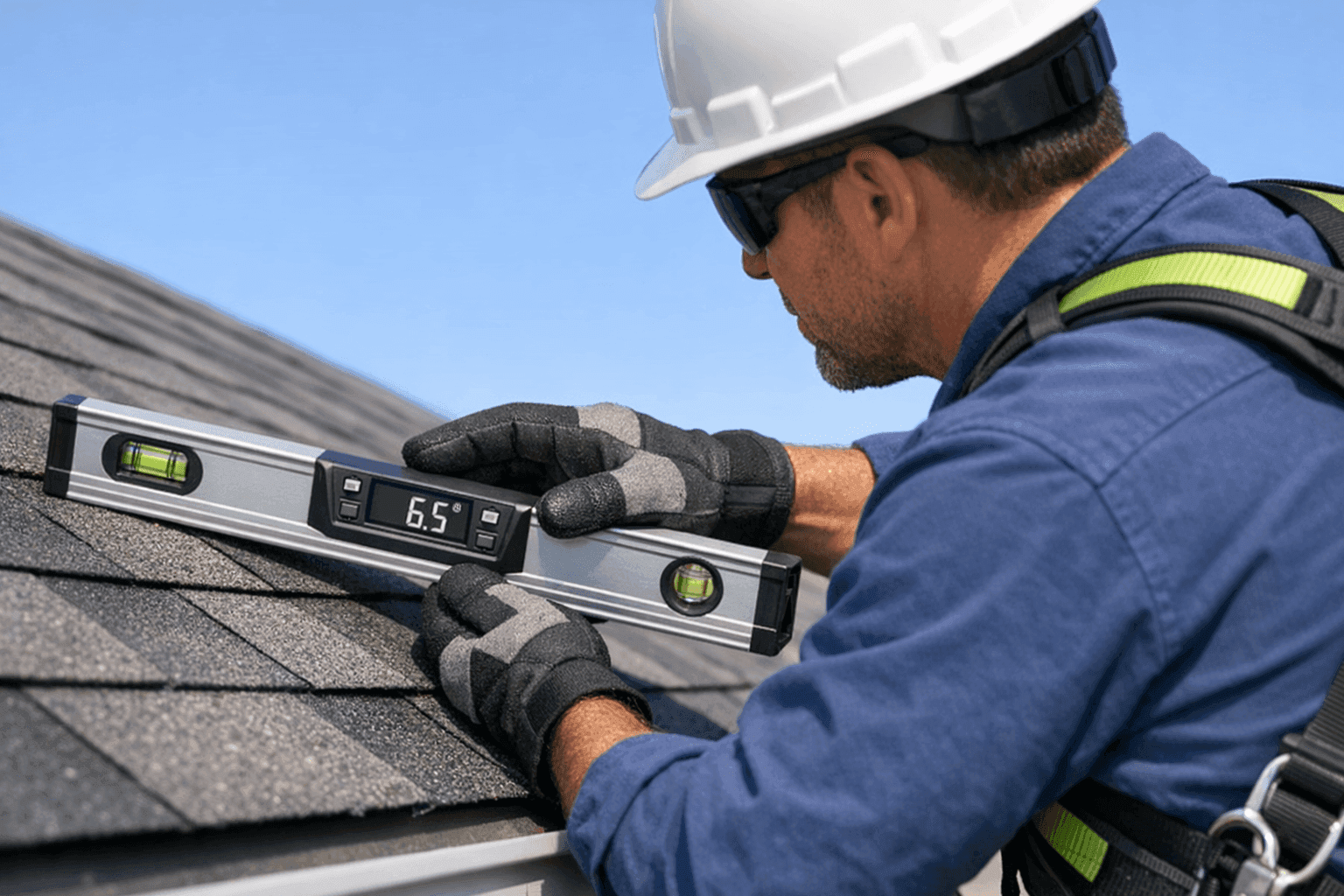
When you look up at your roof, you might just see shingles, tiles, or metal. But there’s one invisible force shaping everything above your head: roof pitch. It’s not just a technical detail—it’s the backbone of your roof’s performance, style, and even safety.
At Overhead Roofing, we see firsthand how roof pitch can make or break your home’s defense against rain, snow, and heat. Whether you’re tackling leaks or dreaming of a new look, understanding your roof’s slope can save money, prevent stress, and boost curb appeal.
What Is Roof Pitch? 🤔
Roof pitch is the angle or steepness of your roof. Think of it as the “tilt” that helps water, snow, and debris slide off. It’s usually measured as a ratio—like 4:12 or 8:12—meaning the roof rises 4 or 8 inches for every 12 inches it runs horizontally.
- Low-slope or “flat” roofs: These have a gentle angle, usually less than 3:12.
- Medium pitch: Common on many homes, around 4:12 to 7:12.
- Steep pitch: Anything above 8:12, often seen on historic homes or in snowy areas.
The right pitch depends on climate, architecture, and personal style. Even local building codes (like those from the International Residential Code) set minimum requirements for safety and drainage.
How Pitch Affects Roof Performance
The pitch of your roof isn’t just for looks. It’s the silent hero—or villain—when it comes to:
- Water drainage: Steeper roofs shed water and snow fast, lowering the risk of leaks.
- Durability: Shallow roofs are more likely to pool water, leading to wear and tear.
- Wind resistance: High-pitch roofs can catch wind like a sail. Design matters here.
- Attic space: A steep pitch gives you more room for insulation, storage, or even a bonus room.
A roof that’s too flat in rainy regions can turn into a swimming pool. Too steep, and maintenance becomes a mountain climbing job. Getting the angle right keeps your home dry and safe.
Choosing Materials for Your Pitch
Not every roofing material plays well with every slope. The pitch acts like the rules of the road for your roof’s “vehicle”—choose the wrong one, and you’re headed for trouble.
- Flat roofs: Best with materials like TPO, PVC, or built-up roofing. Shingles are a no-go here.
- Low-slope (2:12 to 4:12): Modified bitumen or metal panels work well.
- Medium to steep pitch: Asphalt shingles, clay or concrete tiles, metal panels, and even wood shakes all shine here.
If you’re searching for "Tile Roofing near you," remember: tiles need a steeper pitch to keep water from sneaking underneath. Metal is more forgiving, but always check manufacturer guidelines and building codes.
For more tailored advice, our Residential Roofing service can help you decide on the best fit for your home’s style and slope.
Maintenance and Repair Tips by Pitch 🧰
Roof pitch affects how you maintain and repair your roof—sometimes in ways you might not expect.
- Flat roofs: Inspect twice a year for ponding water, cracks, and seam splits. Keep drains clear.
- Low-slope roofs: Watch for slow drainage and check for membrane blisters or punctures.
- Steep roofs: Check after storms for missing shingles or tiles. Use binoculars or hire a pro; don’t risk a fall.
No matter the pitch, always clear gutters and downspouts to prevent water backup—a common cause of leaks and rot.
Why Leaks Love Low-Slope Roofs
Water is sneaky. On a low-slope or flat roof, even a tiny dip can turn into a pond, and standing water finds any weak spot. This is why leak repair on these roofs demands special attention to seams and flashings.
If you’re dealing with a stubborn leak, skip the guesswork. Overhead Roofing’s Flat Roofs team knows where to look and how to solve it—before it leads to bigger headaches.
Aesthetic Choices: How Pitch Shapes Your Home’s Look
Pitch doesn’t just protect; it defines your home’s character. Steep roofs evoke classic storybook charm. Low pitches say “modern” and “sleek.” The angle changes how light hits your home and even how tall it looks from the street.
When planning a New Roof Installation, don’t overlook how pitch will impact your home’s personality. That’s curb appeal you can’t fake.
Safety First: Quick Checklist for Homeowners
Before you climb up to inspect, remember—roof pitch changes the game.
- Wear non-slip shoes.
- Use a safety harness on steep roofs.
- Never work alone.
- Know your limits—sometimes it’s best to call a professional.
The National Roofing Contractors Association (NRCA) recommends homeowners leave steep-slope and flat roof work to trained crews with the right equipment.
DIY or Call a Pro?
Some jobs suit a handy homeowner. Others, not so much.
- Flat and low-slope roofs: Cleaning drains or gutters is usually safe if you’re careful.
- Steep roofs: Even minor repairs can turn risky. Slippery surfaces and heights are a bad combo.
If you’re not sure, call Overhead Roofing. We’re trained to tackle any pitch, any time.
What Happens When Pitch Is Wrong?
Building codes exist for a reason. A roof that’s too flat or too steep for its material can void warranties, invite leaks, and even cause structural damage. For example, installing shingles on a nearly flat roof is like wearing sneakers in a rainstorm—sooner or later, water will get in.
Always ask for a roof inspection before major repairs or a replacement. This helps catch pitch problems early, saving you money and stress.
Seasonal Considerations: Pitch and Weather
- Snow: Steep roofs let snow slide off, reducing weight and collapse risk.
- Rain: Low-slope roofs need flawless waterproofing to handle heavy downpours.
- Wind: Tall, steep roofs can catch wind—secure materials and flashing are a must.
Your region’s climate and code requirements matter. Check local ordinances or consult resources like the International Code Council (ICC) for specifics.
Common Mistakes Homeowners Make
- Ignoring the pitch when adding skylights or solar panels.
- Choosing the wrong roofing material for their roof’s slope.
- Overlooking drainage issues on flat or low-slope roofs.
- Skipping seasonal inspections.
A little attention now prevents costly repairs later.
Signs of Trouble: What to Watch For
- Ponding water (on flat roofs)
- Curling or missing shingles (on steep or medium pitches)
- Sagging or visible dips in the roofline
- Stains or mold inside the attic
Catch these early and your roof—and wallet—will thank you.
Timeline & Disruption: What to Expect
Steep roofs often take longer to repair or replace because of safety gear and access. Flat roofs can be quicker, but weather delays are more common. Expect some noise and dust, but a professional crew works to minimize disruption.
Materials & Equipment Pros Use
From digital pitch finders to safety harnesses, roofing specialists use specialized tools for every angle. The right sealants, fasteners, and underlayments all depend on your roof’s pitch.
Cost Factors by Pitch
Steep roofs can cost more to repair or replace—extra labor, safety equipment, and materials drive up the price. Flat roofs often need advanced waterproofing, which can also add to costs. It’s an investment in your home’s future.
When It’s an Emergency
Sudden leaks? Storm damage? If water is pouring in, don’t wait. Emergency tarping or repairs can prevent major damage. Contact Overhead Roofing right away for prompt, professional help.
FAQ: Roof Pitch Edition
Q: Can I change my roof pitch?
A: Major structural changes are needed—usually not a DIY project.
Q: Is flat roofing right for my home?
A: Flat roofs suit modern designs and some climates, but require careful waterproofing.
Q: What’s the best pitch for heavy snow?
A: Steeper is better—think 6:12 or more.
Ready to Talk Roof Pitch?
If you’re planning a project or worried about leaks, Overhead Roofing is here to help you make sense of roof pitch and every other detail. For reliable roofing services and honest advice, we’re just a call away.
Call Overhead Roofing now — or reach us anytime at 855-554-4704 .