The True Cost of a New Roof: What Homeowners Should Know
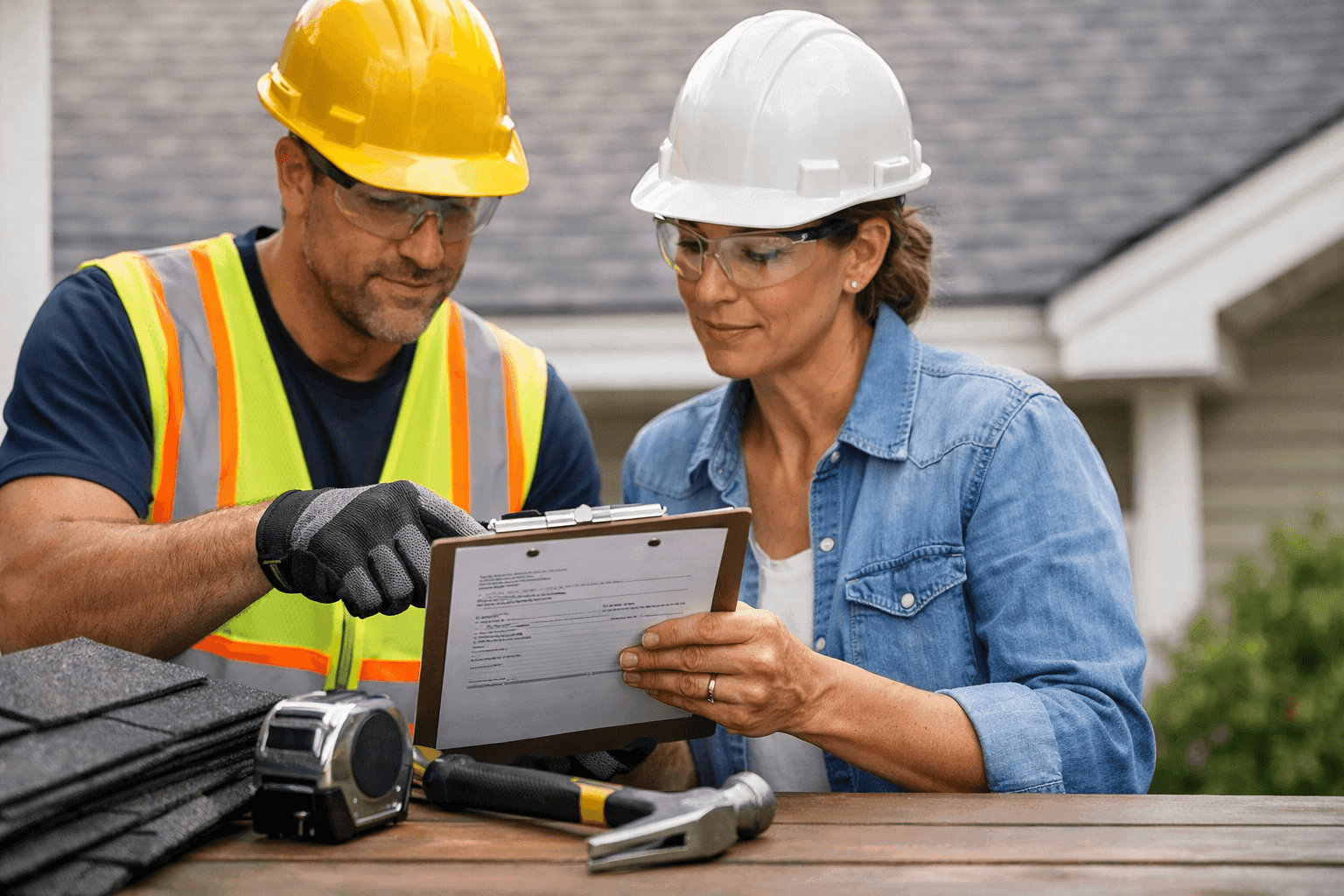
Replacing your roof is a big decision. It's not just about shingles and nails—it's about protecting your home, your family, and your investment. For many homeowners, the cost of a new roof can feel like staring up at a mountain you’re not sure how to climb.
At Overhead Roofing, we know how overwhelming roofing costs can seem. Let's break down what really goes into the price of a new roof, so you can plan with confidence and avoid unwanted surprises.
Roof Replacement Cost Factors 🏠
Lots of pieces come together to determine what you’ll pay for a roof replacement. The biggest aren’t always obvious.
- Roof size: Bigger roofs need more material and labor. Simple, right? Yet, roof complexity—think dormers, valleys, skylights—adds even more time and cost.
- Pitch matters: Steeper roofs mean extra safety gear and time. A walkable roof is faster and less expensive to work on.
- Existing layers: Is there old roofing to tear off? Removing extra layers increases hours and landfill fees.
- Location and climate: Local code requirements, building permits, and weather patterns all impact cost. The National Roofing Contractors Association (NRCA) recommends factoring in regional needs, such as added wind or snow protection.
What does this mean for you? Every roof is unique. A neighbor’s quote might not match yours—because their roof is a different puzzle.
Material Choices: From Shingles to Metal to Tile
Pick your roof’s hat wisely. The material you choose can swing the price from moderate to sky-high.
- Asphalt shingles: The most common, budget-friendly, and quick to install. They offer solid protection but may need replacing sooner than premium options.
- Tile Roofing near you: Clay or concrete tiles are beautiful and durable, but heavier and pricier. Your home’s structure may need strengthening.
- Metal roofing: Long-lasting, light, and eco-friendly. It’s a bigger upfront investment but can last 40+ years.
- Flat roofs: Typically use membranes like TPO or EPDM. These require expert installation and careful drainage planning.
- Specialty materials: Slate, wood shakes, or eco-friendly options each come with their unique look—and price tag.
Don’t forget about underlayment, flashing, and ventilation—these unsung heroes protect your home from leaks and mold.
Labor and Installation Fees: More Than Just Hammer Swings
You’re not just paying for shingles and nails. You’re paying for skilled hands and trained eyes.
- Labor rates: These vary by region and company. Experienced crews who follow OSHA safety standards may cost more, but cut down on mistakes and callbacks.
- Installation complexity: Skylights, chimneys, and roof features require extra care and time. Roofs with complex designs simply take longer.
- Debris removal: Hauling away old materials isn’t free. Factor in dumpster rental and landfill costs.
A reputable crew will also handle code compliance and inspections, so your new roof passes local requirements.
Hidden Costs: What’s Lurking Below?
Some expenses don’t show up until the project is underway.
- Rotten decking: Once the old roof is off, damaged wood may need replacing before new materials go down.
- Structural surprises: Sagging rafters or trusses can’t be ignored. Fixing these adds time and money.
- Code upgrades: Local building codes may require better insulation or additional ventilation than your old roof had.
It’s smart to build a small cushion into your budget for these unexpected finds.
How to Budget for a New Roof
Replacing a roof is a marathon, not a sprint. Here’s how to pace yourself:
- Get several quotes: Don’t settle on the first estimate. A detailed, written quote helps you compare apples to apples.
- Ask for itemization: Know exactly what’s included—materials, labor, permits, and clean-up.
- Plan for surprises: Experts recommend setting aside 10–20% extra for unforeseen repairs.
- Prioritize quality: Cheaper isn’t always better. The lowest bid might skip critical steps or use inferior materials.
Financing Options: Easing the Pain
The price tag for a new roof can feel daunting. But you have options.
- Home equity loans: These offer lower interest rates and longer terms, but use your home as collateral.
- Roofing company payment plans: Some contractors offer staged payments or financing through lenders.
- Insurance: If your roof was damaged by a covered peril (like hail or wind), homeowners insurance may pay part or all of the replacement cost. Review your policy carefully.
Be cautious with “too good to be true” financing. Read the fine print and ask questions.
Quick Safety Checklist
Before work begins, make sure:
- Your contractor is licensed and insured.
- You have clear access for vehicles and dumpsters.
- Pets and children are safely away from the work zone.
- Emergency contacts are on hand in case of accidents.
Safety isn’t just for the crew—it’s for your family too.
DIY vs. Call a Pro
Could you replace your roof yourself? Maybe. Should you? That’s a different story.
- Pros have training: Roofing is dangerous. Falls are a leading cause of injury on construction sites (per OSHA).
- Warranty matters: Many manufacturers void warranties if installation isn’t done by certified pros.
- Hidden issues: Professionals spot problems an untrained eye might miss—saving you money in the long run.
For most homeowners, calling a roofing contractor is the safer and smarter move.
What Pros Do On Arrival
Here’s what to expect when you hire Overhead Roofing:
- Full roof inspection for damage, leaks, and rot
- Detailed explanation of options and costs
- Written proposal with clear scope and timeline
- Discussion of permits and code compliance
We believe in transparency before the first shingle comes off.
Prevention & Maintenance: Protect Your Investment
A well-maintained roof lasts longer and costs less over time.
- Schedule regular Inspections to catch small issues before they become big headaches.
- Clean gutters and downspouts to prevent water backup.
- Trim overhanging trees to reduce debris and moss.
- Address minor repairs quickly—don’t wait for leaks to grow.
The International Association of Certified Home Inspectors (InterNACHI) recommends annual roof checks, especially after storms.
Costs & Time Factors
The clock is ticking once your project starts.
- Project length: Most residential roofs can be replaced in 1–3 days, weather permitting.
- Weather delays: Rain or high winds can slow progress. Building codes may also restrict when crews can work.
Ask your contractor for a realistic timeline and prepare for minor delays—Mother Nature has her own plans.
When It’s an Emergency
Some roof issues can’t wait.
- Sudden leaks after a storm
- Major shingle loss or visible holes
- Structural sagging
If you’re facing urgent repairs or storm damage, our roof-replacement and new-roof-installation services prioritize your safety and security.
FAQ: Common Questions About Roof Costs
How long will my new roof last?
Asphalt shingles last 15–25 years, metal or tile 40–75 years, depending on climate and upkeep.
Will my homeowners insurance cover a new roof?
Only if replacement is due to a covered event like hail or fire—not normal wear and tear.
Can I roof over my existing shingles?
Building codes in many areas allow one additional layer, but it’s not always the best choice. Removing old material reveals hidden problems and leads to a longer-lasting result.
Seasonal Considerations: Timing Matters
Roofing in the right season can save you money and hassle.
- Spring/Fall: Mild temperatures are ideal. Contractors are often busiest.
- Winter: Colder weather can slow installation and affect materials.
- Summer: High heat may impact installation speed and crew safety.
Plan ahead to secure your spot—and avoid delays during peak periods.
Common Mistakes: Pitfalls to Avoid
- Picking a roofer based on price alone.
- Ignoring small leaks or missing shingles.
- Skipping annual inspections.
- Not reading the contract closely.
Take your time. Ask questions. Every detail matters.
Signs of Trouble: When to Call for Help
- Curling, cracked, or missing shingles
- Granules in gutters
- Water stains on ceilings or walls
- Daylight visible through attic boards
If you’re unsure, schedule a Inspections for peace of mind.
Timeline & Disruption: What to Expect
Replacing a roof is noisy and messy—but it’s temporary.
- Crews will need access to your driveway and yard.
- Expect some vibration—remove fragile items from shelves.
- Most jobs wrap up in a few days, with a thorough clean-up at the end.
We’ll work hard to keep disruption to a minimum.
Materials & Equipment: More Than Shingles
A high-quality roof includes:
- Underlayment
- Flashing (especially around chimneys and vents)
- Drip edge
- Ice and water shield (where required by code)
- Proper attic ventilation and insulation
Each component plays a key role in your roof’s performance and lifespan.
Local Codes and Permits: Don’t Skip the Paperwork
Every town has its own rules. Permits, inspections, and code upgrades protect both your investment and safety. Overhead Roofing stays up to date with the latest International Residential Code (IRC) and local regulations—so you don’t have to.
If you’re in the region and need a reliable roofing company, our team is ready to help with every step, from permits to final inspection.
A new roof is more than just a home upgrade—it’s peace of mind for years to come. Have questions or ready for a fair, detailed quote?
Call Overhead Roofing now — or reach us anytime at 855-554-4704 .