Tile Roofing Pros and Cons: Is It Worth the Investment?
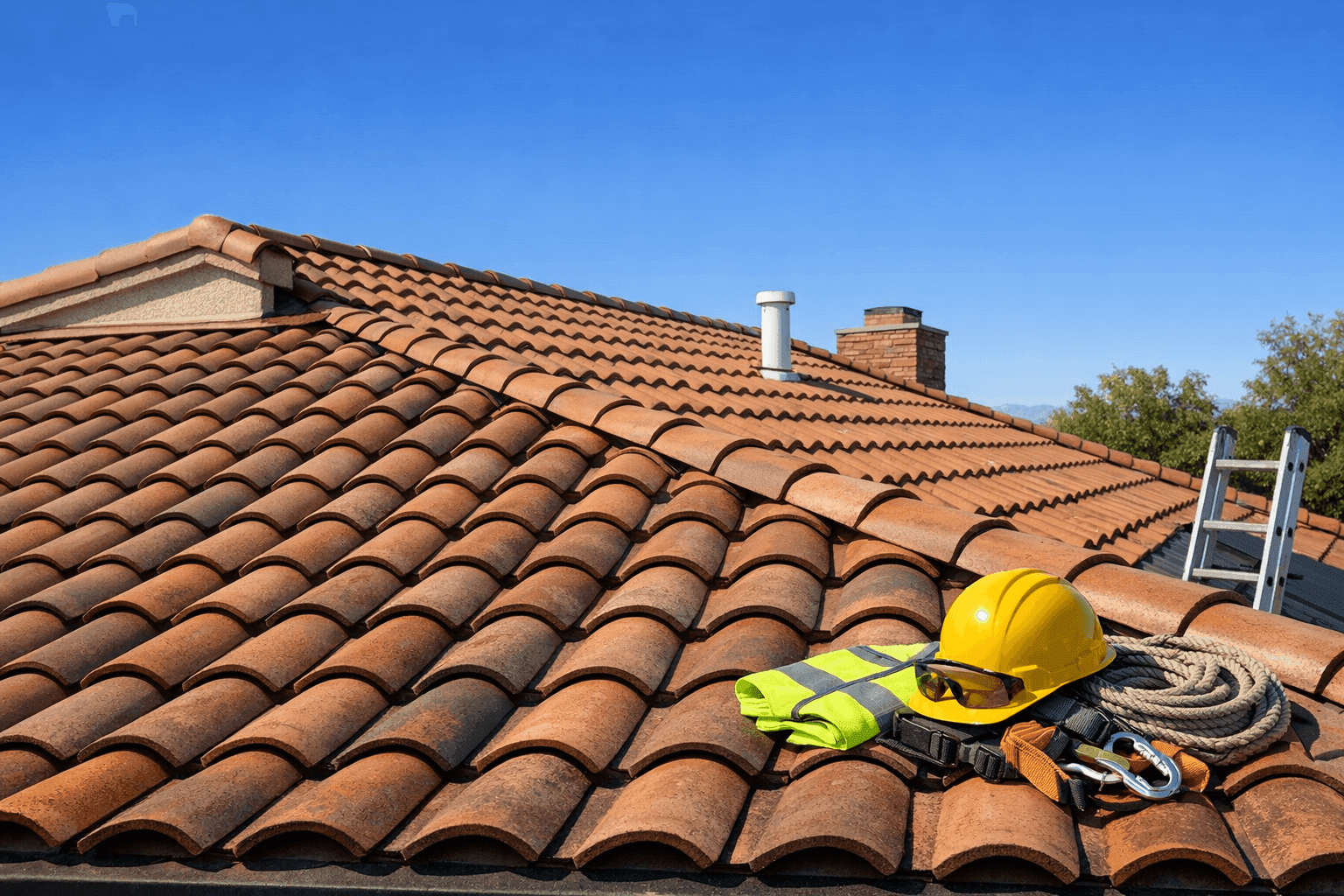
Choosing a new roof is a big decision. It’s not just about what looks good—your roof protects everything beneath it. If you’re considering tile roofing, you’re not alone. Many homeowners wonder if the beauty and durability of tile outweigh the upfront investment.
At Overhead Roofing, we’ve seen first-hand how the right roofing choice can transform a home. Let’s break down the facts so you can make a confident, informed decision.
What is Tile Roofing?
Tile roofing has a long history—think ancient Mediterranean villas, Spanish missions, and classic southwestern architecture. Tiles are typically made from clay or concrete, shaped into curved or flat pieces, and installed in overlapping patterns. Today, you’ll also find lightweight composite tiles that mimic the look of traditional clay.
Tile roofs are chosen for their distinct style and remarkable longevity. But they aren’t for every home, nor every homeowner. Let’s explore why.
Key Advantages of Tile Roofing
Longevity That Outlasts Trends 🏡
If roofs had a Hall of Fame, tile would be a top contender. A properly installed tile roof often lasts 50 years—or even longer. Compare that with shingle roofs, which typically last 20–30 years, and you see the appeal. Some historic tile roofs in Europe have kept out the weather for centuries!
Instant Curb Appeal
Few materials match the visual impact of a tile roof. The textured patterns, rich colors, and classic profiles add instant character and value to your home. It’s like upgrading from a family sedan to a vintage convertible—neighbors notice.
Fire Resistance
Tile is naturally fire-resistant. Clay and concrete tiles don’t burn, making them a smart choice in areas prone to wildfires or where safety codes are strict. According to the National Fire Protection Association, roofing material plays a major role in preventing the spread of fire between buildings.
Low Maintenance
Tile doesn’t rot or attract insects. It resists mold and mildew better than many other materials. While occasional cleaning or replacing a cracked tile is necessary, major repairs are rare.
Common Drawbacks of Tile Roofing
Heavyweight Champions
Tile roofs are heavy—sometimes two or three times the weight of asphalt shingles. That’s not a deal-breaker, but your home’s structure must be strong enough to support it. Reinforcing rafters or decking can add significant costs to the project.
Upfront Cost 💸
Quality comes with a price. Tile roofing has higher material and installation costs than shingles or metal. While you may save in the long run with less frequent replacements, the initial investment is substantial.
Fragility Underfoot
Ironically, while tiles are tough against rain and fire, they’re surprisingly fragile when walked on. Dropped tools, heavy tree branches, or even a routine inspection can crack tiles. Repairs often require specialized skills.
Tile vs. Other Roofing Materials
How does tile stack up against the competition? Each material has its own character—like choosing between boots, sneakers, and dress shoes. Here’s a quick comparison:
- Asphalt Shingles: Affordable, lightweight, and easy to install. But they wear out faster, require more frequent replacement, and don’t offer the same fire resistance.
- Metal Roofing: Sturdy, lightweight, and energy-efficient. Somewhat more expensive than shingles but lighter and easier to maintain than tile.
- Wood Shakes: Natural look, moderate lifespan. Vulnerable to rot, insects, and fire unless specially treated.
- Flat Roofs: Popular on modern homes. Require expert installation and regular maintenance to prevent leaks.
For a deeper dive on other options, see our Residential Roofing and Roof Replacement service pages.
How to Know If Tile Roofing Is Right for Your Home
There’s no “one roof fits all” answer. Here are a few questions to help you decide:
- Does your home’s structure support the extra weight? If not, you’ll need reinforcement.
- Are you planning to stay in your home for decades? Tile’s long life shines for forever homes.
- Is fire resistance a key concern? Tile gives you peace of mind.
- Do you value classic, lasting curb appeal? Tiles are hard to beat.
If your priorities line up, tile roofing can be a rewarding investment.
Signs Tile Roofing Might Not Be Ideal
- Budget constraints: If you need a quick, lower-cost fix, shingles or metal may be more practical.
- Frequent roof foot traffic: If you (or service pros) need to walk on your roof often, tiles may not hold up.
- Historic or lightweight framing: Older homes sometimes can’t bear the load without major upgrades.
Safety and Installation: What to Expect
Installing tile roofing isn’t a simple weekend project. It requires careful planning, the right tools, and skilled hands. The International Residential Code (IRC) outlines strict guidelines for weight, fastening, and ventilation. Always consult with a licensed contractor to ensure your home meets all requirements.
Maintenance: What’s Required?
Tile roofs are low maintenance, but not maintenance-free. Here’s what to keep in mind:
- Inspect after storms or falling debris.
- Clean gutters regularly to prevent water backup.
- Replace cracked tiles promptly to avoid leaks.
- Schedule professional inspections every few years.
For gutter and downspout care, our team also provides Gutter Repair and cleaning services.
Common Mistakes to Avoid
- Walking on tiles without proper equipment.
- Ignoring small cracks—water can seep in and cause damage.
- Skipping structural reinforcement.
- Hiring unqualified installers. Tile roofing is a craft.
Timeline and Disruption: What’s the Process Like?
A typical tile roof installation can take anywhere from a week to several weeks, depending on your home’s size and complexity. You’ll need to plan for some noise, dust, and temporary inconvenience. But most homeowners find the end result worth the wait.
Tile Roofing and Weather: Seasonal Considerations
Tile performs well in hot, sunny climates—it doesn’t warp or fade easily. In colder regions, freeze-thaw cycles can cause tiles to crack if not properly installed. Always ask your roofing contractor about local best practices.
FAQ: Your Tile Roofing Questions Answered
Can I install tile roofing myself?
It’s not recommended. Tile installation requires experience to ensure proper alignment, fastening, and waterproofing.
Are there eco-friendly tile options?
Yes! Many manufacturers offer recycled-content clay and concrete tiles. Tile’s long lifespan also means less landfill waste over time.
Is tile roofing noisy during rain or hail?
Tile is quieter than metal, but louder than asphalt. Proper attic insulation helps reduce noise.
When Does Tile Roofing Make Sense?
Tile roofing is a wise investment if you plan to stay in your home for many years, want a unique look, and need maximum durability. It’s not the cheapest, but it’s built to last.
If you’re searching for roofing services or want to talk through your options with real people who’ve seen it all, we’re here to help.
Ready to Explore Tile Roofing? Call Us.
If you’re weighing your options or have questions about tile roofing near you, Overhead Roofing is just a call away. We help homeowners find the best fit for their needs, style, and budget.
Call Overhead Roofing now — or reach us anytime at 855-554-4704 .