How to Tell If Your Roof Is Properly Insulated
Is your home always chilly in winter, even with the heat on full blast? Or maybe you’re sweating through the summer, wondering why your AC can’t keep up. Sometimes, the culprit is right over your head—literally. At Overhead Roofing, we know proper insulation is the quiet hero of a comfortable, energy-efficient home.
Your roof is more than just shingles and tiles. It’s your front line against the elements. Let’s break down how to tell if your roof’s insulation is really doing its job—and what to do if it isn’t.
Why Insulation Matters for Roofs 🏡
Think of insulation as your home’s thermal blanket. It traps warmth inside during cold snaps and keeps the summer heat at bay. Without it, your HVAC system works overtime, your energy bills soar, and your comfort plummets. According to the U.S. Department of Energy, proper insulation can cut heating and cooling costs by up to 20%. That’s not pocket change.
Insulation also helps prevent issues like ice dams, condensation, and even roof damage. It’s not just about comfort—it’s about protecting your investment.
Signs Your Roof Is Well-Insulated
Wondering if your roof insulation passes the test? Here’s what to look for:
- Consistent indoor temperatures: No dramatic cold or hot spots.
- Lower energy bills: Your heating and cooling costs stay reasonable for your region.
- Even snow melt: In winter, snow melts evenly across your roof—no strange bare patches.
- Comfortable attic: An attic that’s cool in summer and not freezing in winter is a good sign.
- No drafts: You don’t feel air moving where it shouldn’t, especially upstairs.
If your home checks these boxes, your insulation is likely in good shape.
Warning Signs of Insulation Problems ⚠️
Insulation issues rarely shout—they whisper. But those whispers add up.
- High energy bills: If your heating or cooling costs are climbing, insulation might be lacking.
- Uneven indoor temperatures: Some rooms are sweltering while others are ice-cold.
- Drafts or cold spots: Especially near ceilings or in the attic.
- Damp or musty smells: Poor insulation can lead to condensation and moisture buildup.
- Icicles or ice dams: In winter, these can signal heat escaping through your roof.
- Attic frost: If you find frost or condensation in your attic, insulation (or ventilation) is likely insufficient.
Don’t ignore these clues. They’re often the first sign your roof needs attention.
How to Check Your Roof’s Insulation
Want to do a quick check? Here’s how:
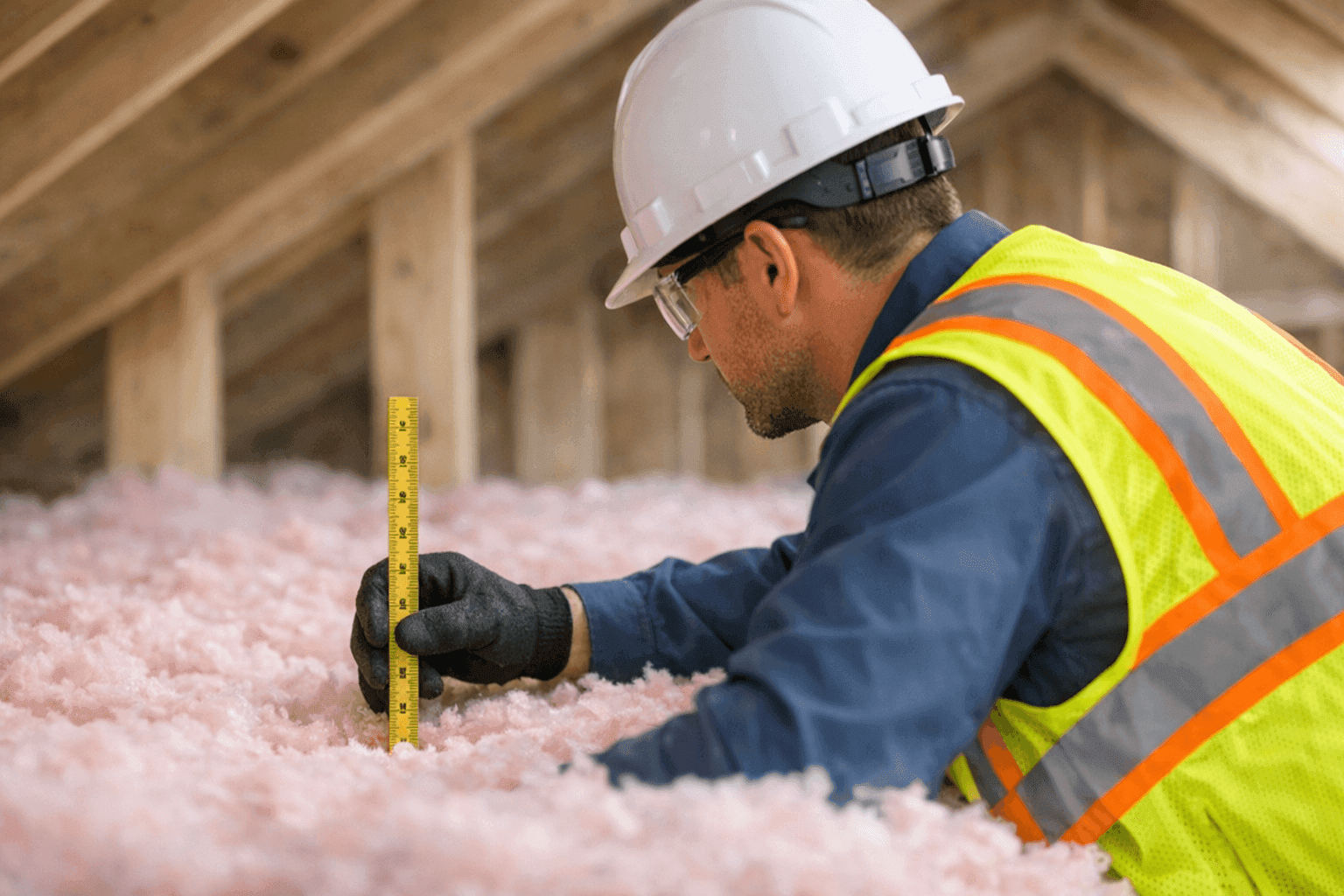
- Visit your attic: Carefully step onto exposed joists. Avoid compressing insulation.
- Look for gaps: Insulation should cover the entire attic floor evenly—no bald spots.
- Measure depth: Most homes need at least 10–14 inches of insulation (check local building codes or ENERGY STAR guidelines).
- Check for moisture: Wet or compacted insulation doesn’t work well.
- Inspect ventilation: Good airflow is just as important as insulation itself.
If you spot problems or aren’t sure what you’re seeing, a professional Inspections helps identify trouble before it spirals.
When to Call the Roofing Pros
Some insulation fixes are simple—like sealing attic air leaks or adding a new layer of batts. But if you see signs of water damage, mold, or structural issues, it’s best to bring in the professionals. At Overhead Roofing, our team knows what to look for and how to address the root cause, whether it’s insulation, ventilation, or something deeper.
Upgrading Roof Insulation: What to Expect
Thinking about an insulation upgrade? Here’s how it usually goes:
- Assessment: We review your current insulation and roof condition.
- Options: Choose between eco-friendly materials, blown-in, batts, or spray foam.
- Installation: We add or replace insulation, seal air leaks, and check ventilation.
- Cleanup: No mess left behind, just a more comfortable home.
Upgrades can be quick—often just a day or two. And the comfort payoff is immediate.
Eco-Friendly Insulation Options
Worried about the environment? Today’s insulation isn’t just about R-values. We offer eco-friendly options like recycled denim, cellulose, and formaldehyde-free fiberglass. These options are safe, effective, and gentle on the planet.
The Role of Roof Ventilation
Proper insulation and ventilation are two halves of the same coin. Without good airflow, moisture builds up and insulation suffers. This can lead to mold, rot, and even structural damage. The International Residential Code (IRC) recommends one square foot of ventilation for every 150 square feet of attic space.
DIY vs. Professional Insulation
Some homeowners tackle insulation themselves. That’s fine for small patches. But for whole-roof upgrades—or if you’re dealing with moisture, pests, or old insulation—professional help is worth it. Trained crews use the right materials, follow safety codes, and spot hidden problems.
Safety First: What to Watch For
Attics aren’t always friendly places. Watch out for:
- Exposed nails and splinters
- Low-clearance beams
- Insulation dust (wear a mask)
- Electrical wiring—never cover exposed wires
If you’re uncomfortable, call a pro. Your safety is more important than shaving a few dollars off the job.
How Insulation Impacts Your Roof’s Lifespan
A well-insulated roof isn’t just about comfort—it’s about longevity. Good insulation prevents thermal stress, reduces expansion and contraction, and keeps moisture at bay. This means fewer repairs, longer shingle life, and less risk of mold or rot.
Insulation and Seasonal Shifts
Roof insulation isn’t a set-it-and-forget-it feature. Seasonal shifts—freezing winters, humid summers, big storms—can compress or damage old insulation. Schedule a regular Inspections to stay ahead of issues.
Common Insulation Mistakes
Avoid these pitfalls:
- Blocking roof vents with insulation
- Using the wrong insulation type for your climate
- Failing to seal air leaks before adding new insulation
- Compressing insulation, which reduces effectiveness
Even small missteps can undo all your hard work.
How to Minimize Disruption During Upgrades
Worried about mess or downtime? A skilled crew works fast and keeps disruption minimal. Most insulation upgrades don’t require you to leave your home. Prep by clearing attic access and letting pets or kids know to steer clear.
Roof Insulation FAQ
How often should I check my insulation?
Every 2–3 years, or after major storms.
Does new insulation help with noise?
Yes! It muffles outside sounds, too.
Can insulation fix roof leaks?
No—address leaks first, then upgrade insulation.
When It’s Time for Emergency Help
If you spot water leaks, sagging ceilings, or serious mold, call for emergency roofing services right away. Delay can lead to costly repairs down the line.
Final Thoughts: Comfort Starts Overhead
A well-insulated roof is one of the smartest investments you can make in your home. It keeps you comfortable, saves money, and shields your family from the elements. If you’re unsure about your roof’s insulation—or you’re ready for an upgrade—Overhead Roofing is here to help.
Call Overhead Roofing now — or reach us anytime at 855-554-4704 .