How to Tell If Your Roof Needs Emergency Repair
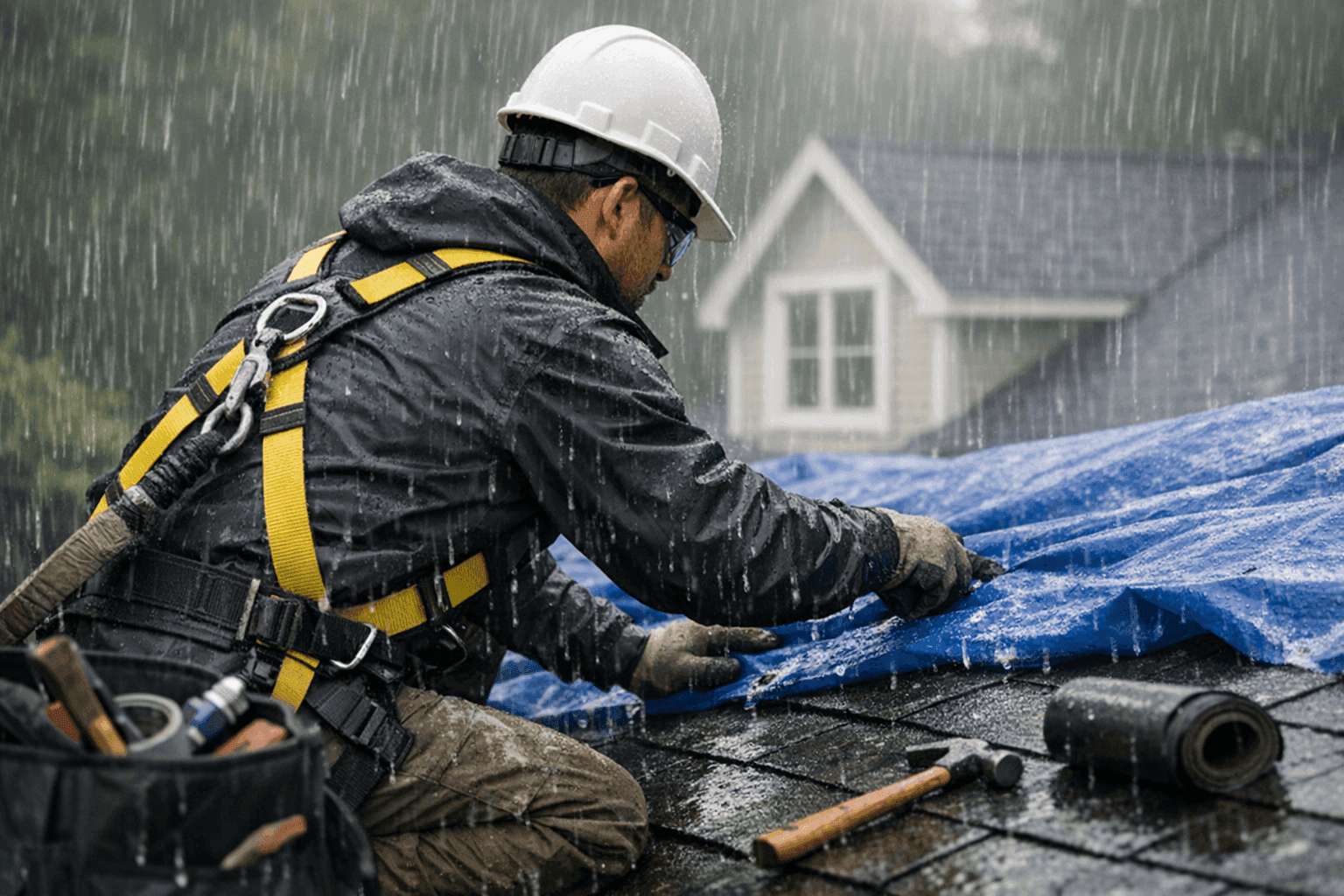
Imagine waking up to the steady drip-drip-drip of water landing in a growing puddle on your living room floor. Or maybe you spot a dark stain creeping across your ceiling overnight. It’s enough to make your stomach drop. Roof emergencies rarely send an invitation—they barge in, no matter the hour.
At Overhead Roofing, we know that fast, clear-headed action can make all the difference. As a homeowner, you shouldn’t have to be a roofing specialist to protect your space from sudden leaks, storm damage, or structural surprises. Let’s walk through what matters most—recognizing when it’s urgent, staying safe, and knowing what to do next.
Warning Signs of Emergency Roof Problems 🚨
Not every roof issue can wait for a sunny Saturday. Here’s how to recognize when it’s truly urgent:
- Sudden Leaks or Water Intrusion: Water pouring or seeping through the ceiling, especially during storms, means something has given way—now.
- Missing or Broken Shingles/Tiles: After high winds, you might spot shingles or tiles scattered in your yard or notice a patchy look on your roof.
- Sagging Sections: If you see part of your roof or ceiling drooping, it’s a red flag for possible structural trouble.
- Visible Holes or Punctures: Branches or debris can punch right through, leaving daylight—and rain—inside.
- Peeling Paint or Bubbling Walls: Moisture from a roof leak works its way down, often showing up as warped, stained, or blistered surfaces indoors.
- Chimney Flashing Damage: If flashing (the metal sealing where your chimney meets the roof) is bent or missing, leaks can sneak in fast.
If you spot any of these, especially after a storm or extreme weather, it’s time to act. For more on what can go wrong, read our Roof Repair service page.
Why Acting Fast Matters
Think of your roof as a shield. The moment it’s pierced, even in a small spot, water finds a way inside. The longer it’s left unchecked, the more havoc it can wreak—damaging insulation, shorting out wiring, or even bringing parts of your ceiling crashing down.
Roof emergencies often escalate quickly. According to the International Association of Certified Home Inspectors (InterNACHI), prompt response to roof leaks can prevent mold growth and structural rot—saving thousands in repairs.
In short: The sooner you respond, the more you’ll limit damage, costs, and disruption.
Quick Safety Checklist Before You Act
Safety should always be your first move. Before you do anything:
- Stay Indoors: Don’t climb onto a damaged or slippery roof—wet, unstable surfaces are risky.
- Turn Off Electricity: If water is near light fixtures or outlets, cut power at the breaker.
- Move Valuables: Shift furniture, electronics, and important items away from leaks.
- Contain Water: Place buckets, towels, or tarps to catch drips and minimize spread.
If the roof is actively collapsing or there’s a major electrical hazard, leave the house and call emergency services.
DIY vs. Calling a Professional Roofer
It’s tempting to grab a ladder and check things out yourself. But even if you’re handy, roof emergencies are rarely a safe DIY fix.
- Temporary patches (like tarping) can buy you time, but only if you can do it safely from the ground or attic.
- Permanent repairs—including tile roofing, shingle replacement, or flashing repair—need experience, tools, and training.
- Professional roofers carry safety gear, know how to spot hidden damage, and can reinforce weak spots before they fail.
If in doubt, always call in help. For urgent needs, check our Emergency Services page.
What Pros Do On Arrival
When Overhead Roofing arrives, our trained team will:
- Inspect Safely: We assess visible and hidden damage, starting from the ground and attic before going up—safety always first.
- Stop the Water: Temporary measures like tarping, sealing, or redirecting water come next.
- Plan Repairs: We explain the situation clearly, prioritize what needs to happen now, and outline next steps.
- Document Damage: Photos and notes are taken for insurance claims or code compliance.
We follow OSHA safety guidelines and local building codes—so you get repairs that last, not just a quick fix.
When It’s an Emergency (and When It’s Not)
It’s not always easy to tell what’s urgent. Here’s a quick guide:
- Emergency: Active leaks, visible holes, sagging roofs, fire risk, or after a tree/branch crash.
- Not an Emergency: Minor shingle loss, small water stains, or a single cracked tile (but still worth scheduling soon).
If you’re unsure, err on the side of caution. A quick call to Overhead Roofing can help you decide what’s next.
Common Mistakes Homeowners Make
- Waiting Too Long: Hoping the leak will “dry out” or go away on its own.
- Ignoring Small Signs: A tiny stain today can mean big trouble tomorrow.
- Attempting Risky Repairs: DIY roof work without training often causes more harm than good.
- Forgetting About Gutters: Clogged gutters and downspouts can cause water to back up and spill into your home.
What to Do in an Emergency
So—what should you do, step by step?
- Stay Calm: Panic leads to poor decisions. Breathe and assess the situation.
- Get People and Pets Safe: Move everyone away from the affected area.
- Contain the Damage: Use buckets, towels, or tarps indoors as needed.
- Call Overhead Roofing: Reach out for fast help with emergency roof repair and leak repair.
- Take Photos: For your records and insurance, document the damage from a safe spot.
- Don’t Climb the Roof: Leave inspection and repairs to the pros.
When Permanent Repairs Are Needed 🛠️
Temporary fixes keep you dry, but they’re not a long-term solution. Here’s what usually comes next:
- Thorough Inspection: We check decking, insulation, flashing, and more for hidden issues.
- Material Matching: Whether you have metal roofing, tile roofing near you, or classic shingles, we find the right match.
- Quality Repairs: From leak repair to full roof replacement, our job isn’t done until your home is protected.
- Code Compliance: We follow guidelines from the National Roofing Contractors Association (NRCA) and local codes.
If your roof is old or severely damaged, a replacement may be the safest choice. We’ll walk you through every option.
Prevention & Maintenance: Avoiding the Next Emergency
A little care goes a long way. Here’s how to reduce your odds of another sudden leak:
- Regular Inspections: Schedule roof checks twice a year, especially after storms.
- Keep Gutters Clean: Clear leaves and debris to prevent overflow.
- Trim Overhanging Branches: Falling limbs are a major cause of emergency calls.
- Seal & Flash: Make sure flashing and sealants are intact and watertight.
For homes in storm-prone areas, consider preventative upgrades like impact-resistant shingles or reinforced flashing.
Seasonal Considerations
- Spring: Check for winter ice damage and clear debris.
- Summer: Watch for heat warping or cracked shingles.
- Fall: Remove leaves from gutters and inspect before winter arrives.
- Winter: Monitor for ice dams—thick ridges of ice can force water under shingles.
Each season brings its own risks, so stay alert year-round.
Costs & Time Factors
Emergency repairs can be more expensive than planned maintenance, due to the urgency and possible after-hours work. The final cost depends on:
- Extent of Damage: A small patch is less costly than a full replacement.
- Materials: Tile, metal, and specialty roofing have different price points.
- Accessibility: If the damage is hard to reach (or during bad weather), labor may be higher.
Most emergency repairs are completed in hours—not days. But major structural fixes or roof replacement can take longer.
Timeline & Disruption
We know how disruptive a roof emergency can be. Our goal is to stabilize your home quickly, then schedule any needed follow-up work at times that work for you. We’ll keep you informed every step of the way.
Materials & Equipment: What’s Used for Emergency Fixes
Depending on your roof type—shingle, tile, metal, or flat—pros may use:
- Tarps and Sealants: For quick waterproofing.
- Roofing Nails & Patches: To secure loose materials.
- Flashing Materials: To seal around chimneys, skylights, and valleys.
- Structural Supports: If there’s sagging or risk of collapse.
We always use code-compliant, high-quality materials for both temporary and permanent repairs.
FAQ: Your Roof Emergency Questions Answered
How can I tell if I need emergency roof repair or just a regular fix?
If water is entering your home, the roof is sagging, or you see daylight through holes—call immediately. Small stains or a few missing shingles can usually wait for a scheduled repair.
Is it safe to stay in my house during a leak?
If the leak is small and not near electrical fixtures, it’s usually safe for a short time. If the ceiling sags, there’s a risk of collapse, or water is near wiring, get out and call for help.
What should I do until the roofer gets here?
Contain water, move valuables, and avoid the area. Don’t attempt risky climbs or repairs yourself.
Can you help with insurance claims?
We document damage for you and can work with your insurance adjuster as needed.
How Overhead Roofing Can Help
Emergencies don’t keep business hours. That’s why Overhead Roofing responds fast—day, night, or weekend. With services ranging from leak repair to full roof replacement, we bring calm, clear solutions when you need them most.
If you’re searching for a roofing company after a sudden storm, or just want to know more about roofing services in your area, our team is ready to help. We proudly serve homeowners seeking roofing solutions that last.
Call Overhead Roofing now — or reach us anytime at 855-554-4704 .