Storm Damage Restoration: Steps to Recovery
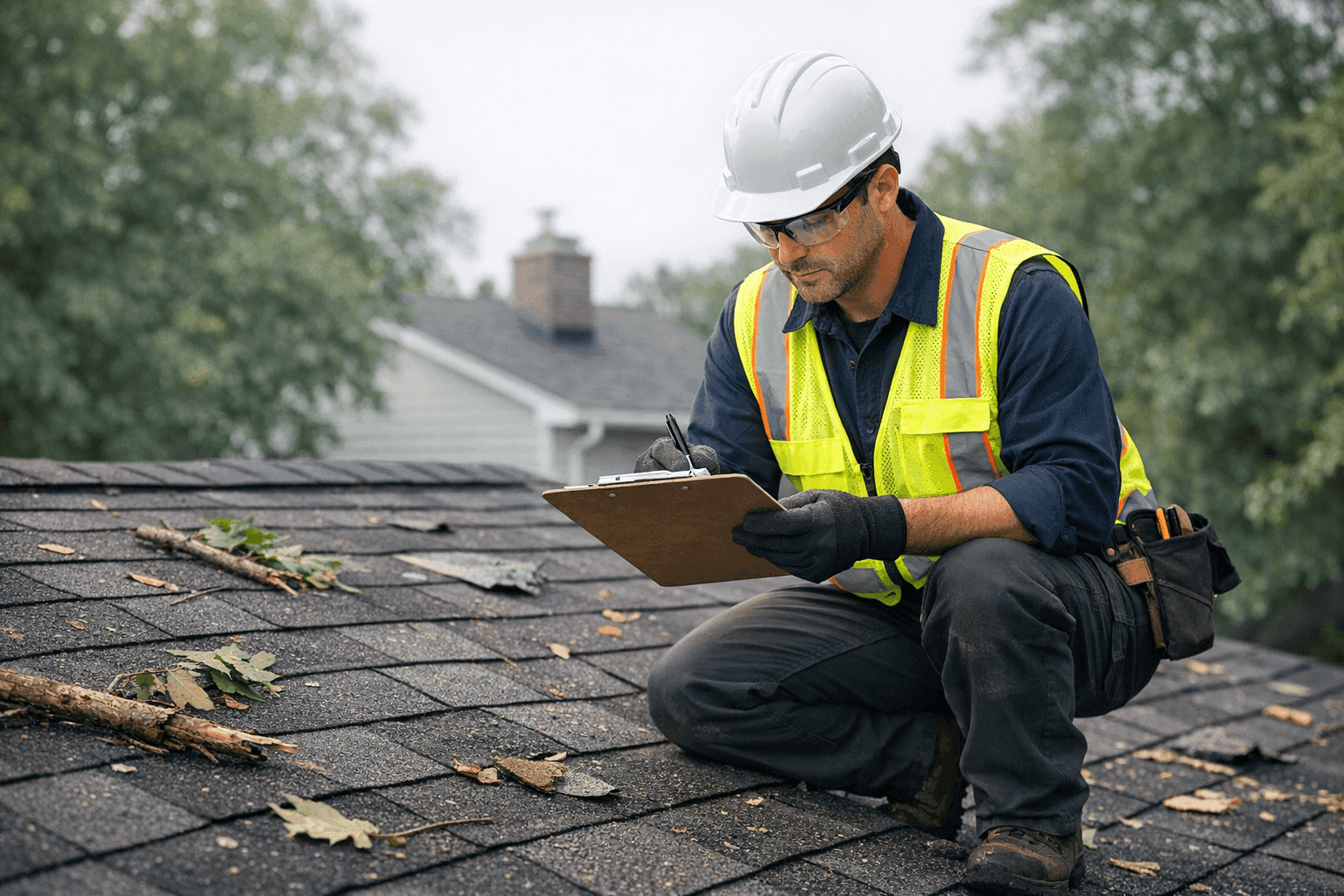
When a storm rips through your neighborhood, the aftermath can feel overwhelming. Pieces of your life—literal shingles—may be scattered in the yard. The clock ticks, and every second counts for your home and your family’s safety.
At Overhead Roofing, we’ve seen it all. We know the nerves, the questions, and the “what now?” that follows storm damage. Here’s our clear, step-by-step path to getting life back under your roof—fast, safe, and informed.
Assessing the Damage 🕵️
The first step is simple, but crucial: take a deep breath and look around. Is it just a few missing shingles, or do you see daylight through your attic? Did branches smash through tiles, or is water dripping where it shouldn’t?
Walk your property, but keep a safe distance from obvious hazards like downed wires or sagging sections. Make notes. Snap photos from the ground. Don’t climb on the roof—leave that to the pros.
Documentation
- Use your phone to take clear, timestamped photos from different angles.
- Make a written list of visible damage: missing shingles, dented gutters, cracked skylights, or water stains.
- Keep all receipts for emergency repairs or materials.
This isn’t just for your memory—it’s essential for insurance claims and for the roofing team who’ll be helping you.
Insurance Claims
Contact your insurance company as soon as possible. They’ll want those photos and notes you just gathered. Be honest and thorough in your description. Sometimes, they’ll send an adjuster before you even call a roofer.
The National Roofing Contractors Association recommends keeping all records organized. It speeds things up and ensures nothing falls through the cracks.
Immediate Safety Steps
Storms leave more than just wet footprints. Sometimes, there are hidden dangers—like loose power lines, broken glass, or structural weaknesses.
- Stay away from sagging ceilings or walls.
- If you smell gas or see sparks, leave immediately and call emergency services.
- If water is leaking near electrical fixtures, do not touch or attempt to unplug anything.
Your safety comes first. If you’re unsure, call a professional or your local fire department for advice.
Temporary Protections
If water is coming in, quick action can make all the difference. Tossing down towels or buckets may buy you time, but for bigger breaches:
- Place heavy-duty tarps (secured with boards or weights) over the damaged area, if you can do so safely from the ground or a window.
- Move valuables and electronics away from leaks.
- Remove wet rugs or fabrics to prevent mold.
This isn’t about fixing the problem—just keeping it from getting worse until help arrives.
When to Call the Pros
Some things can’t wait. If you see large holes, widespread leaks, or structural damage, it’s time to call for Emergency Services. Overhead Roofing’s crews are trained to respond fast, even during wild weather.
If you notice neighbors already scheduling repairs, don’t delay. After big storms, demand for roofers surges. Prioritize your call for the fastest possible response.
What Pros Do On Arrival
When our team arrives, we start with a safety assessment. We’ll check for:
- Structural hazards too risky for homeowners
- Signs of hidden leaks or moisture
- Damage to skylights, flashing, gutters, and downspouts
We use industry-standard practices and reference local building codes as well as the Occupational Safety and Health Administration (OSHA) safety guidelines on every project.
DIY vs. Call a Pro
Some jobs—like setting out tarps or removing small debris—can be tackled with care. But climbing a ladder after a storm? That’s like walking on a tightrope with slippery shoes.
Leave repairs, inspections, and any work requiring special tools or safety gear to roofers. Not only is it safer, but it protects your warranty and insurance coverage.
Prevention & Maintenance
Mother Nature’s next move is never certain. The best defense is a well-maintained roof. Schedule regular inspections—especially after each storm season. Clean your gutters, trim back overhanging branches, and check attic ventilation. These small steps can keep little problems from turning into big emergencies.
For help with ongoing roof repair or to find Tile Roofing near you, Overhead Roofing is here year-round.
Costs & Time Factors
How much? How long? These are the big questions.
- Minor repairs: A day or two, depending on weather.
- Major restoration: Up to several weeks—especially if materials are in high demand.
- Costs vary based on roof type (shingle, tile, metal, or flat), size of damage, and local building codes.
Your roofer should provide a clear estimate and timeline before work begins. At Overhead Roofing, transparency is our policy.
Timeline & Disruption
Expect some noise and activity around your home. Crews may need access to your driveway or yard. Let your neighbors know when work is scheduled. Most repairs can be completed with minimal disruption, but full replacement or structural repairs may take longer.
Seasonal Considerations
Storm damage can be worse during certain times of year. Spring and fall storms may bring heavy rain, while winter storms can cause ice dams or snow buildup.
Plan inspections and preventative maintenance before peak storm seasons. For example, the Insurance Institute for Business & Home Safety recommends annual check-ups and post-storm assessments.
Common Mistakes to Avoid
- Waiting too long to call for help—damage can spread fast.
- Attempting dangerous repairs yourself.
- Ignoring “minor” leaks or missing shingles.
- Forgetting to document everything for insurance.
Signs of Trouble
After the storm, keep an eye out for:
- Water spots on ceilings or walls
- Warped or stained attic beams
- Peeling paint or bubbling plaster
- Unexplained spikes in energy bills (which can signal insulation or ventilation issues)
If you see these, call for an inspection.
Materials & Equipment
Different roofs require different fixes. Shingle, tile, metal, or flat—it all matters. Our crews bring ladders, safety harnesses, tarps, sealants, and specialized tools to every job. We always use materials that meet or exceed industry standards, ensuring long-term performance.
Storm Damage FAQ
How soon should I call after a storm?
As soon as it’s safe to do so. The sooner you act, the faster repairs can begin.
Do I need to be home during repairs?
For most jobs, it’s best if you’re present at the start, but we can work with your schedule.
Will insurance cover everything?
Coverage depends on your policy and the cause of damage. That’s why documentation is so important.
Can you help with other repairs?
Yes, from skylight repair to gutter cleaning, our team handles it all.
Working with Your Roofer
Communication is key. A reliable roofing company will:
- Explain the scope of repairs
- Provide detailed written estimates
- Answer your questions about materials, safety, and process
- Keep you updated every step of the way
For local homeowners, our Storm Damage Restoration team is ready when you need us most.
Restoring your roof after a storm doesn’t have to be a solo journey. With Overhead Roofing, you get clear steps, honest answers, and emergency help when you need it. Call Overhead Roofing now — or reach us anytime at 855-554-4704 .