Storm Damage Repair: What Homeowners Need to Know
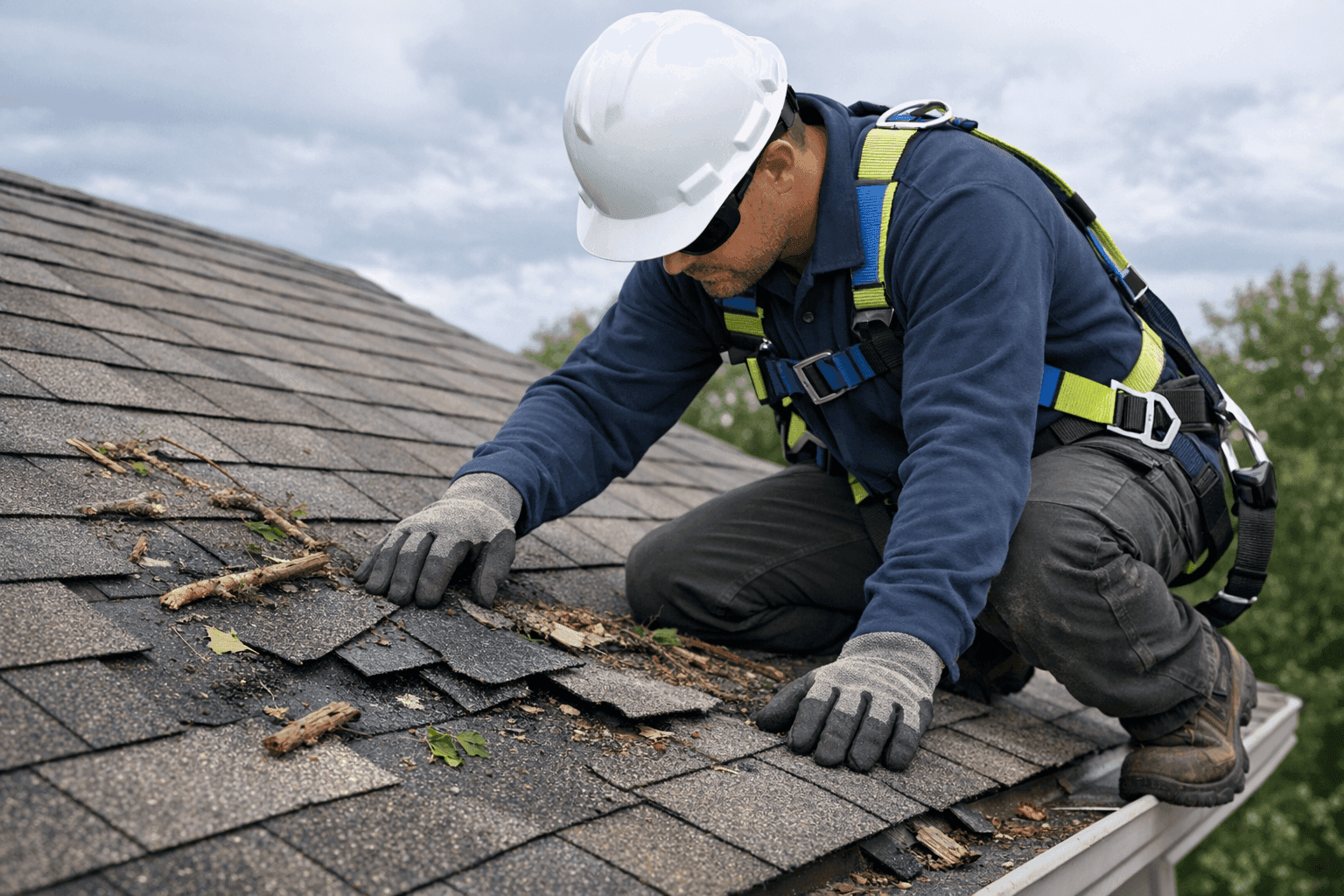
Storms don’t knock first. The wind howls, rain pounds, and in a flash, your peaceful home feels like it’s under siege. When clouds clear, you step outside—and the damage feels personal.
At Overhead Roofing, we know how overwhelming storm damage can be. Roof leaks, broken tiles, and scattered debris aren’t just problems—they’re urgent threats to your home and family. Here's what every homeowner should know to restore safety, protect value, and move forward confidently.
Types of Storm Damage: What to Watch For 🌪️
Not all storm damage looks the same. Some impacts are obvious, while others hide in plain sight. Here’s what you need to know:
- Wind Damage: Powerful gusts can rip shingles, shift tile roofing, or even peel back metal panels. Wind-driven rain sneaks under loose edges, inviting leaks.
- Hail Damage: Hail stones—tiny or tennis ball-sized—can bruise shingles, crack tiles, dent flashing, and shatter skylights. Even small hail can compromise your roof’s ability to shed water.
- Falling Debris: Branches, airborne objects, or even neighbors’ patio furniture may land on your roof. This can break tiles, damage gutters, or puncture decking.
If you notice missing shingles, cracked tiles, dented gutters, or even small “bald spots” on your roof—these are all red flags.
Assessing Damage Safely: Your First Steps 🛑
Safety comes before curiosity. Never rush onto your roof after a storm. Instead:
- Look from the Ground: Use binoculars or your phone camera zoom. Check for missing, curled, or broken shingles, dented metal, or obvious holes.
- Check Indoors: Inspect ceilings and attic for water stains, drips, or musty odors.
- Walk the Perimeter: Look for fallen debris, shingle granules in gutters, or siding damage.
- Photograph Everything: Document visible damage. Photos help later with insurance and repair planning.
If you spot sagging, exposed wood, or dangling power lines—stay clear and call for help immediately. The National Roofing Contractors Association (NRCA) recommends homeowners always leave roof climbing to professionals unless absolutely safe.
Should You DIY or Call a Professional?
It’s tempting to grab a ladder and patch things up yourself. But roofing is risky, especially after storms. Wet surfaces, hidden soft spots, and unstable tiles can spell disaster. Unless you’re trained and equipped, it’s usually safer—and more effective—to call a roofing contractor.
A professional from Overhead Roofing will:
- Complete a thorough Inspections
- Identify hidden damage you might miss
- Advise on safe, code-compliant repairs
What Happens When the Pros Arrive
Our team comes ready. Here’s what you can expect:
- Safety assessment: We check for structural hazards, loose materials, and electrical risks.
- Detailed inspection: Using ladders, harnesses, and moisture meters, we document all damage—visible and hidden.
- Temporary protection: Emergency tarps or sealants may be applied to stop further water entry.
- Clear plan: You’ll get a step-by-step outline for storm damage restoration, including necessary repairs, timelines, and costs.
We’ll also guide you through the insurance claim process, providing documentation and photos to support your case.
Insurance Claims: Navigating the Paperwork
Dealing with insurance can be just as stressful as the storm itself. Here’s how to make it smoother:
- Notify your insurer quickly. Most policies require prompt reporting.
- Document everything. Save photos, receipts, and notes from your inspection.
- Meet your adjuster. When the insurance adjuster visits, have your roofer present. This ensures nothing is missed.
- Review your policy. Know what’s covered—storm damage, water intrusion, debris removal, and more. The Insurance Information Institute is a great resource for homeowners.
Emergency Repairs: When Every Minute Counts ⚡
Some damage can’t wait. If water is pouring in, or there’s a structural threat, emergency services are critical. Common urgent repairs include:
- Tarping holes or exposed decking
- Stopping active leaks with sealants
- Removing hazardous debris
Quick action saves thousands in repairs and prevents mold, rot, and further damage.
Common Mistakes Homeowners Make
After storms, it’s easy to make snap decisions. Here’s what to avoid:
- Climbing onto a damaged roof alone
- Ignoring small leaks: Even minor drips can cause major rot and mold
- Delaying repairs: Waiting can void insurance claims or worsen damage
- Hiring uninsured or unlicensed contractors: Always check credentials
Stick with a reputable company like Overhead Roofing for peace of mind and code-compliant repairs.
The Repair & Restoration Process: Step by Step
- Inspection: Every repair starts with a detailed assessment.
- Emergency Protection: Tarps or temporary covers stop water intrusion.
- Material Selection: Whether you need shingle, metal, or tile roofing near you, quality matters.
- Structural Repair: Decking, flashing, and supports are restored as needed.
- Roof Surface Repair: Shingles, tiles, or panels are replaced to match your existing roof.
- Gutters & Downspouts: Damaged drainage systems are repaired or replaced.
- Final Inspection: We ensure the roof is watertight and up to code.
- Cleanup: All debris is removed, leaving your property safe and tidy.
Seasonal Storm Risks: Timing Matters
Spring brings hail, summer packs heavy rain, fall has windstorms, and winter brings ice. Each season poses unique risks:
- Spring/Summer: Watch for hail and wind. Inspect after every major storm.
- Fall: Clear gutters and check flashing as leaves pile up.
- Winter: Ice dams can cause leaks. Ensure insulation and ventilation are adequate.
How Long Will Repairs Take?
Every home is different. Simple repairs may take a day; major restorations, a week or more. Factors include:
- Extent of damage
- Weather conditions
- Material availability
We keep you updated every step, so there are no surprises.
Costs: What to Expect
Repair costs vary based on:
- Roof type (shingle, tile, metal, flat)
- Extent of damage
- Materials needed
Insurance often covers most storm-related repairs. We’ll provide a clear, honest estimate before work begins.
Preventing Future Storm Damage 🛡️
Some damage is unavoidable—but you can stack the odds in your favor:
- Regular inspections: Schedule professional roof inspections twice a year.
- Gutter maintenance: Keep gutters and downspouts clear to prevent water backup.
- Trim trees: Remove overhanging branches that could fall on your roof.
- Upgrade materials: Consider impact-resistant shingles, reinforced flashing, or metal roofing for extra durability.
- Check ventilation and insulation: Prevent ice dams and moisture buildup.
For more on protecting your roof year-round, the Federal Emergency Management Agency (FEMA) offers practical guides for homeowners.
Signs of Trouble: Don’t Ignore These
After a storm, look for:
- Water stains on ceilings or walls
- Buckling or missing shingles
- Flapping or rattling noises from the roof
- Musty smells in the attic
- Overflowing or detached gutters
Spotting these early can prevent bigger headaches down the road.
When to Replace Instead of Repair
Sometimes, the storm leaves more than a scar. If your roof is nearing the end of its lifespan, or damage is widespread, replacement may be the best option. Our team will clearly explain your choices—whether it’s a targeted repair or a full roof replacement.
Why Choose Overhead Roofing?
We live and breathe roofing. Our team is trained, insured, and committed to safety—yours and ours. We handle everything from tile roofing to skylight repair, storm damage restoration, and even eco-friendly roofing options. Our reputation is built on honest work and real results.
Looking for reliable roofing services after a storm? Homeowners in the area can always rely on our Roof Repair process for prompt, professional help.
FAQs: Quick Answers for Homeowners
How soon should I inspect my roof after a storm? Within 24-48 hours, as long as it’s safe.
Will insurance cover all storm damage? Most policies cover sudden, accidental storm damage. Check your policy for specifics.
How do I know if my roof is safe to enter? If you see sagging, holes, or exposed nails—stay off and call a pro.
Can I do repairs myself? Small tasks like clearing gutters are fine, but most storm repairs require professional skill and safety gear.
Storms are unpredictable, but your response doesn’t have to be. Overhead Roofing is here to help you pick up the pieces and restore your home’s safety and comfort.
Call Overhead Roofing now — or reach us anytime at 855-554-4704 .