How to Spot and Prevent Roof Mold and Mildew
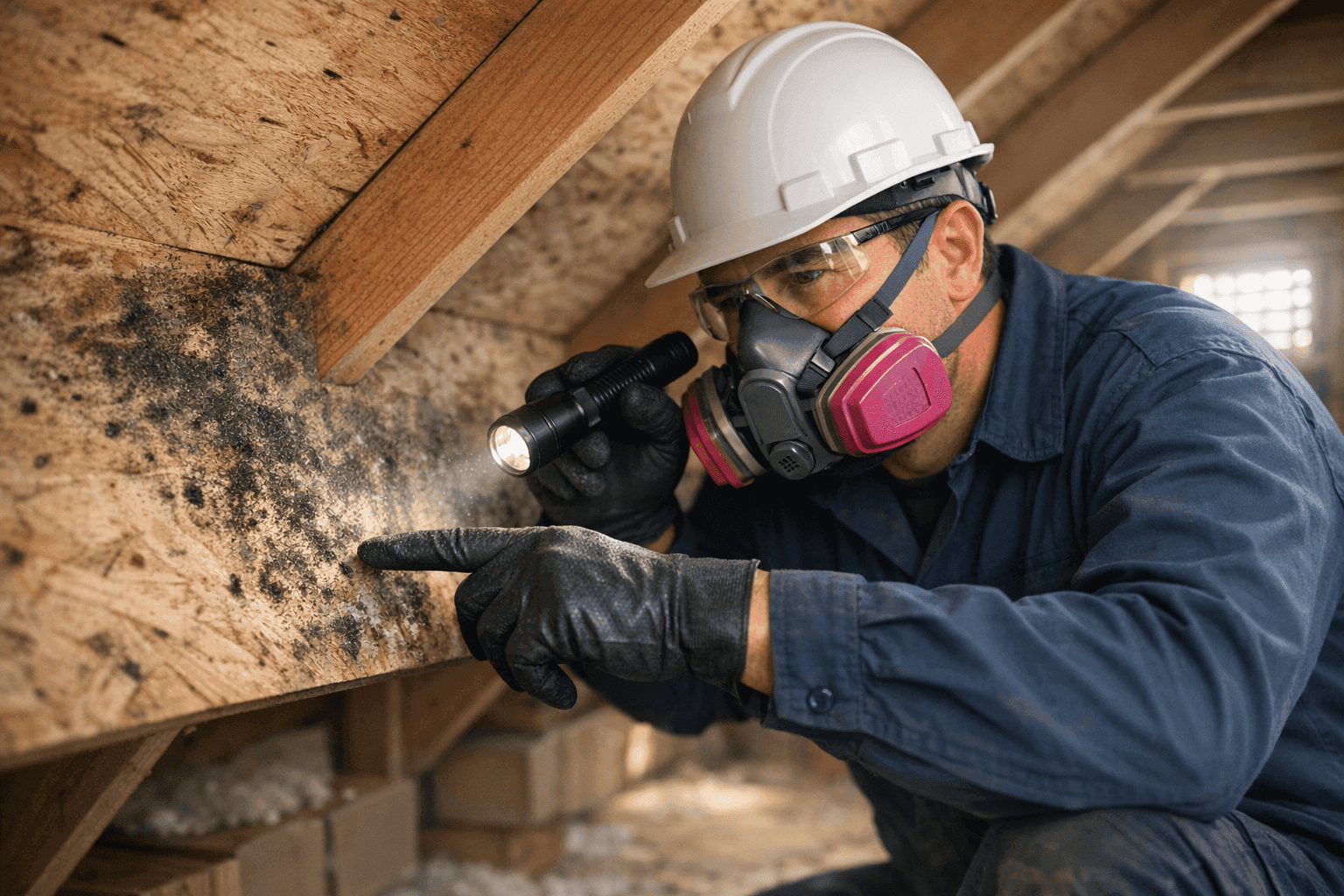
Is there a musty smell in your attic or dark stains creeping across your ceilings? Roof mold and mildew aren’t just unsightly—they’re warning signs that something’s wrong overhead. At Overhead Roofing, we help homeowners tackle these problems before they turn into costly headaches.
The air you breathe inside your home is affected by what’s growing above. Mold spores can sneak into living spaces, threatening your family’s health and your home’s value. Let’s break down how to spot trouble, prevent it, and keep your roof (and lungs) clear.
Why Roof Mold Happens 🦠
Think of your roof as a big umbrella. If it doesn’t shed water well, moisture sneaks in and lingers. Mold and mildew love dark, damp environments—your attic or under the shingles are perfect hiding spots. Common causes include:
- Leaky or damaged roofing materials
- Poor ventilation trapping humid air
- Blocked gutters causing water to back up
- Insulation that can’t dry out after a leak
- Trees dropping leaves, keeping roof areas damp
According to the International Association of Certified Home Inspectors (InterNACHI), inadequate attic ventilation is one of the leading causes of mold growth on roofs.
Signs of Mold or Mildew
You don’t need a microscope to know when something’s off. Watch (and sniff) for these warning signs:
- Musty, earthy odors in your attic or upper floors
- Dark streaks or patches on ceilings, attic sheathing, or roof decking
- Peeling paint or bubbling drywall
- Allergy symptoms that get worse indoors
- Soft or sagging roof spots (a late-stage sign)
Not all stains are mold—but all stains deserve a closer look! If you spot trouble, schedule Inspections by a professional to pinpoint the cause.
How to Prevent Mold Growth
Prevention takes less effort than remediation. Here’s how to keep mold at bay:
- Fix leaks fast: Even a tiny drip can create a breeding ground. Use our Leak Repair service to nip problems in the bud.
- Keep gutters clean: Clear out leaves and debris so water flows away from your roof, not into it.
- Trim overhanging branches: Shade keeps roof surfaces damp; sunlight is mold’s enemy.
- Check attic ventilation: Make sure your attic “breathes.” Our Ventilation & Insulation service can help optimize airflow.
- Regular roof inspections: Spot problems early before they escalate.
The National Roofing Contractors Association recommends at least one roof inspection per year, especially after heavy storms.
Mold vs. Mildew: What’s the Difference?
Both are fungi, but they behave a little differently:
- Mold is fuzzy or slimy, growing in patches of black, green, or blue. It’s a bigger health concern.
- Mildew is powdery, gray or white, and usually found on surfaces like windowsills or tile.
On your roof or attic, mold is the main threat—don’t ignore it.
A Quick Safety Checklist
Before you DIY, remember:
- Wear gloves, goggles, and an N95 mask
- Avoid disturbing large mold patches—agitating spores can make things worse
- Ventilate the area (open windows, use fans)
- Keep kids and pets away from the work zone
If the affected area covers more than 10 square feet, the CDC recommends calling a professional.
DIY vs. Call a Pro
You can tackle small, surface-level mildew with household cleaners. But if you find:
- Widespread mold (bigger than a dinner plate)
- Recurring leaks or moisture
- Mold inside HVAC ducts or insulation
…it’s time to call in the pros. Mold remediation can require special containment and disposal methods. Overhead Roofing’s team knows local building codes and safety rules, so the job gets done right.
What Roofers Do On Arrival
When you call for help, here’s what typically happens:
- Thorough inspection: Checking shingles, decking, attic, and insulation for hidden moisture.
- Moisture mapping: Pinpointing leaks or vapor paths.
- Sample testing: If needed, to confirm mold type.
- Action plan: Repair leaks, remove contaminated materials, improve ventilation, and treat affected surfaces.
Licensed roofers follow EPA and local safety guidelines to protect your home and family.
Costs & Disruption: What to Expect
Mold removal costs depend on area size and damage. Minor jobs may only take a few hours. Extensive mold behind walls or in insulation? Plan for several days and possible temporary relocation of living areas.
Preventive steps—like annual roof inspections—are much less expensive than full-scale mold remediation.
When It’s an Emergency
Some scenarios can’t wait:
- Mold is near air vents or HVAC returns
- Family members have asthma or allergies
- Roof structure feels soft or unsafe
Don’t delay. Call for emergency roofing services to protect both your home and your loved ones.
Common Mistakes Homeowners Make
- Ignoring small leaks or stains
- Painting over mold instead of cleaning it
- Blocking attic vents with boxes or insulation
- Using bleach on wood (it doesn’t fully kill mold roots)
- Waiting for “the right season” to fix a problem—mold doesn’t take vacations
Seasonal Considerations
Mold loves warm, humid summers and rainy springs. Fall leaves can clog gutters, while winter snowmelt can seep under shingles. Make roof checks part of your seasonal home care routine.
FAQ: Your Top Roof Mold Questions
How do I tell if it’s mold or just a water stain?
Mold usually has a fuzzy or slimy texture and a musty smell. Water stains are dry and yellow or brown.
Can I use regular paint to seal out mold?
No. Special mold-resistant primers are needed, but only after cleaning and drying the area.
Is attic mold always caused by a roof leak?
Not always. Poor ventilation or condensation are also common culprits.
Materials & Equipment for Safe Mold Removal
If you’re tackling a small patch, you’ll need:
- N95 mask and gloves
- Eye protection
- Non-ammonia soap or specialized cleaner
- Soft brush or sponge
- Heavy-duty garbage bags for disposal
Never mix bleach with ammonia, and always follow safety instructions on cleaning products.
Keep Mold Off Your Roof for Good
Roof mold isn’t just a cosmetic issue—it’s a sign your home needs attention. By staying alert, acting quickly, and scheduling professional Inspections when needed, you’ll keep your roof, air, and family safe.
If you’re unsure about stains, leaks, or that odd attic odor, don’t wait for the problem to grow.
Call Overhead Roofing now — or reach us anytime at 855-554-4704 .