How to Spot Hidden Roof Damage After a Storm
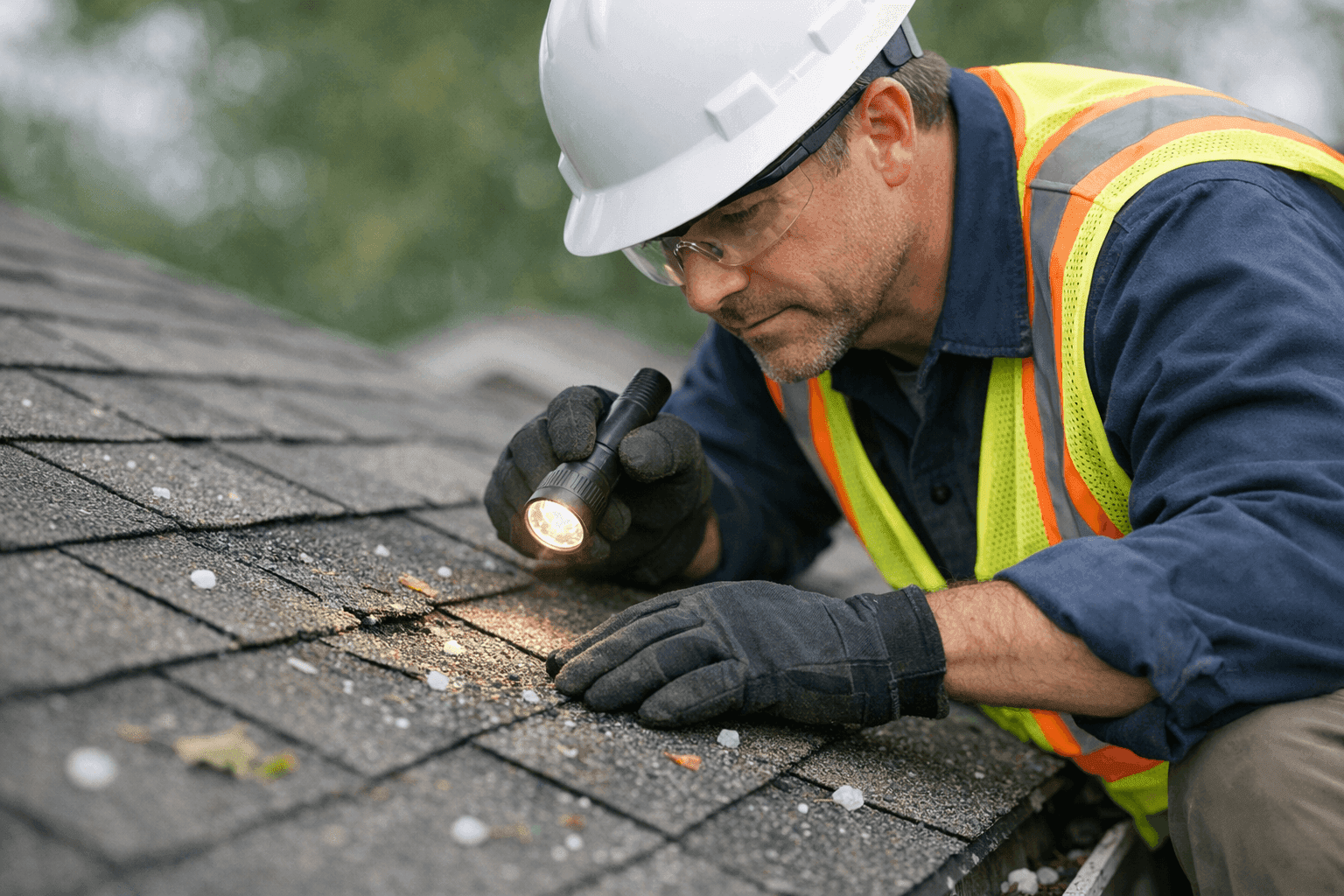
When storms rage through, your roof stands between you and the elements. Shingles, tiles, and flashing—these are your home’s armor. But after the wind dies down, not all wounds are easy to see.
Hidden roof damage is like a slow leak in a boat. At first, things seem fine. Over time, the trouble grows. That’s why Overhead Roofing wants every homeowner to know what to look for—and when to call a professional for storm-damage-restoration.
Types of Storm Roof Damage (Hail, Wind, Debris) ⛈️
Not all storms write the same story on your roof. Each brings its own brand of trouble:
- Hail: Like throwing rocks at your roof. It can bruise shingles, crack tiles, and dent metal.
- Wind: Not just about speed. Gusts pry up edges, curl shingles, and sometimes rip entire sections away.
- Debris: Branches, leaves, or even flying lawn furniture. Impact can puncture, scratch, or block water flow.
Sometimes, all three show up at once. Each leaves its mark—some obvious, some buried.
Obvious vs. Hidden Damage
Some problems shout. Others whisper.
Obvious damage is easy to spot from the ground:
- Missing shingles or tiles
- Dangling gutters or downspouts
- Visible holes or punctures
- Shingle granules gathering in downspouts
Hidden damage hides in plain sight:
- Tiny cracks in tiles or flashing
- Loosened fasteners or nails
- Damaged underlayment beneath intact shingles
- Small leaks that drip into attic insulation
Think of it like a bruise under the skin. The surface looks fine, but the real trouble is underneath.
Safe Homeowner Inspection Tips 🕵️
Your safety comes first. Never climb a storm-damaged roof—leave that to professionals with the right training and gear (see OSHA’s fall protection guidelines).
From the ground or a safe window, you can:
- Walk your home’s perimeter. Look for shingles on the lawn or debris piled near the roofline.
- Check attic ceilings for wet spots or drips.
- Scan exterior walls for water stains.
- Inspect gutters and downspouts for shingle granules or broken pieces.
- Peek at skylights and chimneys for cracks or leaks.
Use binoculars if you have them. If you spot anything odd, jot it down for your roofing company.
When to Call a Pro
If you sense something’s off, don’t wait. Water travels fast and quietly. Small leaks after a storm can lead to mold, rot, or electrical hazards.
Call a professional for inspections if:
- You notice new stains or musty odors indoors
- Shingles or tiles are missing, cracked, or curled
- Debris is stuck in gutters or valleys
- You hear dripping in attic spaces
- You see daylight through the roof boards
Roofing pros have eyes trained for trouble. They know where water loves to hide and how wind lifts even the heaviest tile.
What Pros Look For
When Overhead Roofing arrives, we don’t just glance at shingles. We check:
- Bent or missing flashing around chimneys and skylights
- Soft spots that might signal water beneath the surface
- Tiny blisters or hail bruises on shingle faces
- Clogged or detached gutters and downspouts
- Damaged sealants and coatings
- Signs of shifted decking or loose fasteners
Our roof repair process follows building codes and safety standards, so nothing gets missed.
Problem Scenarios: The Hidden Dangers
Storm damage isn’t always a broken shingle. Sometimes, it’s a gap in flashing that lets rain sneak in for months. Or a cracked tile that looks harmless—until winter freeze splits it wide open.
- Attic leaks: Water finds its way into insulation, drywall, or electrical wiring.
- Mold growth: Hidden leaks create the perfect environment for mold, risking your family’s health.
- Structural rot: Over time, hidden moisture weakens roof decking and rafters.
These are the silent threats. They don’t show up until it’s too late—or until your next storm.
Quick Safety Checklist for Homeowners 🛑
After a storm:
- Stay on the ground.
- Inspect inside and out for signs of trouble—stains, drips, missing shingles.
- Avoid using ladders on wet or unstable ground.
- Photograph any visible damage (for your records and insurance).
- Call a professional if you spot anything suspicious.
Your safety is the real emergency.
DIY vs. Call a Pro
Some things are safe to do yourself. Like checking for water in the attic or photographing shingle debris in your yard.
But repairs, especially after a storm, are a pro’s job. Why?
- Storm-damaged roofs can be slippery and fragile.
- Hidden structural issues can make a roof unsafe.
- Insurance companies may require a certified inspection.
Think of pros as storm detectives. We know where to look, what to test, and how to fix what you can’t see.
Prevention & Maintenance: Staying Ahead of the Next Storm
You can’t stop the weather, but you can toughen your defenses:
- Schedule yearly roof inspections—spring and fall are best.
- Clear gutters and downspouts before and after storms.
- Trim back overhanging branches.
- Ask about impact-resistant shingles or tile roofing near you for future upgrades.
- Keep attic insulation and ventilation in top shape.
A little prevention now saves a lot of repair later.
The Cost of Waiting
Delaying repairs can multiply problems:
- Water damage spreads quickly, leading to higher repair bills.
- Mold remediation is far costlier than patching a leak.
- Insurance claims may be denied if you wait too long.
Don’t let a minor problem become a major headache.
When It’s an Emergency 🚨
Some situations can’t wait:
- Water actively pouring in
- Large sections of missing roof
- Electrical hazards from leaks
- Sagging ceilings or signs of collapse
If you see these, call for emergency roofing services immediately. Protect your family first—then your home.
Common Mistakes to Avoid
- Ignoring “minor” leaks or drips
- Trying to patch storm damage with tarps or sealants alone
- Climbing onto the roof without proper safety gear
- Assuming a “clean” roof means no damage
Even if things look fine, hidden issues can cause trouble down the road.
Timeline & Disruption: What to Expect
A thorough inspection typically takes 1–3 hours, depending on roof size and complexity. Most repairs happen within a day or two, weather permitting. Larger restoration projects may take longer.
Your daily life? Minimal disruption. Our crews respect your space and clean up every nail and shingle.
Materials and Equipment Pros Use
Roofing professionals come equipped:
- Safety harnesses and fall protection
- Moisture meters and infrared cameras for hidden leaks
- Specialized tools for shingle, tile, and metal roofing near you
- Code-compliant sealants, fasteners, and flashing
This isn’t a job for duct tape or household ladders.
Seasonal Considerations: Don’t Wait for Spring
Storms don’t keep a calendar. Roof damage in winter can be just as serious as in summer. Ice, wind, and heavy rain all take their toll.
Don’t wait until the weather clears. Quick action means less damage—and lower repair costs.
FAQ: Homeowner Questions After a Storm
Is it safe to wait and see if a leak gets worse? No. Water moves fast, and small leaks grow quickly.
Can I fix minor damage myself? Small things, like cleaning gutters, are fine. But actual roof repairs should always be left to professionals.
How do I know if my insurance covers storm damage? Most policies do, but require prompt inspection and documentation.
Who should I call for roofing services? A licensed, insured, and certified roofing contractor like Overhead Roofing is your best bet.
Why Prompt Inspections Matter
A quick inspection isn’t just about repairs. It’s about peace of mind. The sooner you spot hidden roof damage, the sooner you protect your home—and your wallet.
If you’re in Cedar City and need help, our roofing services team is always ready to take your call.
Don’t let hidden roof damage become tomorrow’s disaster. Call Overhead Roofing now — or reach us anytime at 855-554-4704 .