Shingle Roofing vs. Tile Roofing: Pros, Cons & Costs
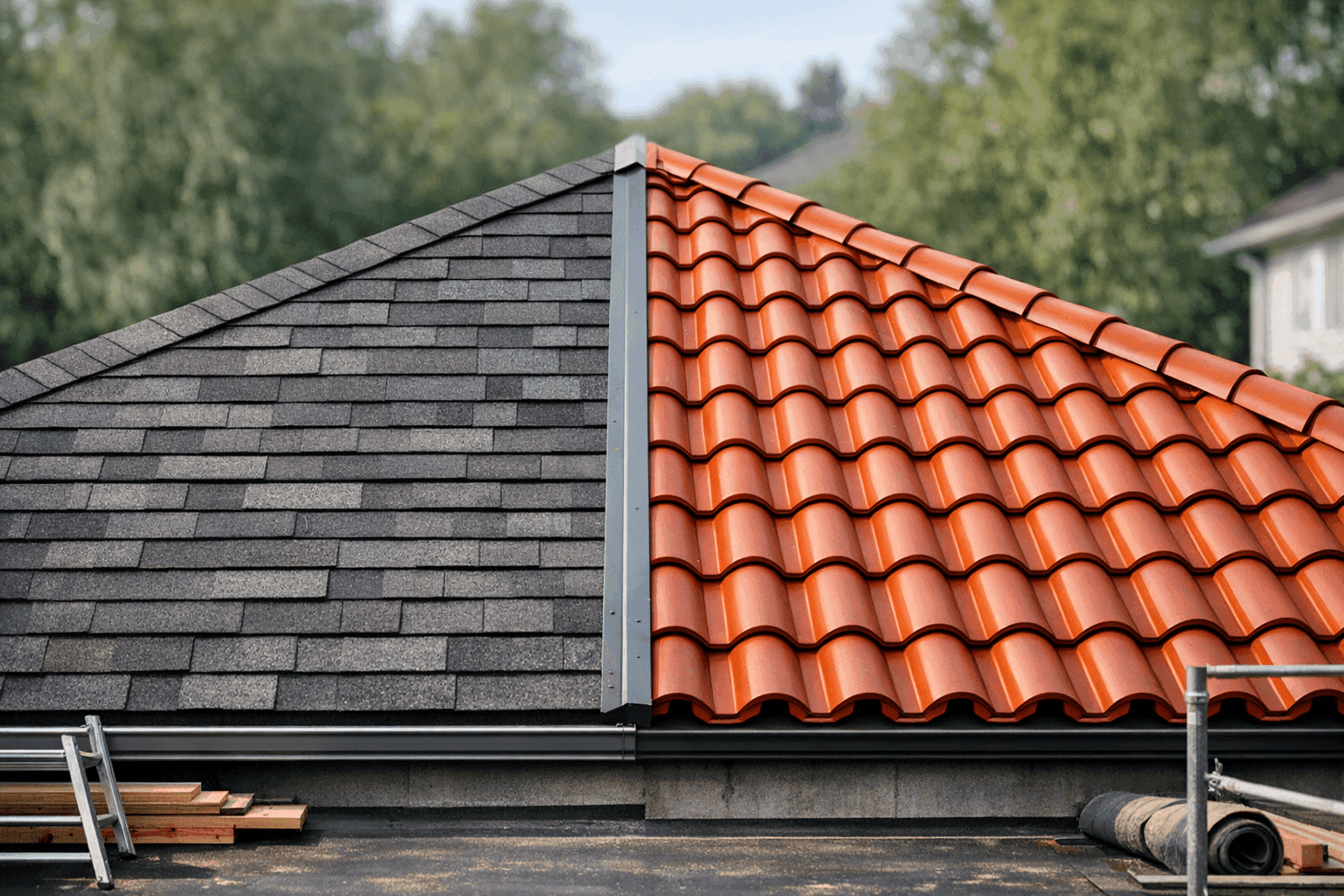
Choosing a new roof feels a bit like picking out a new pair of boots. You want the right fit, style, and something that won’t let you down when the weather turns rough. Your roof is your home’s first line of defense, and knowing what goes over your head—literally—makes all the difference.
At Overhead Roofing, we’ve worked on everything from century-old tile roofs to modern shingle systems. Homeowners often ask us: “Which is better—shingle or tile?” There’s no one-size-fits-all answer, but understanding the differences will save you time, money, and headaches down the road.
Shingle Roofing Overview 🏠
Shingle roofing is everywhere. It’s the classic look—think of the neat, overlapping strips you see on most suburban homes. Shingles, usually made from asphalt, are the backbone of residential roofing in North America.
Why do so many homeowners choose shingles?
- Affordability: Shingles are one of the most cost-effective options.
- Fast installation: A skilled crew can often replace a shingle roof in just a few days.
- Variety: Available in a rainbow of colors and several styles.
- Good for most climates: Especially suited for moderate weather zones.
Installation Differences
Installing shingle roofing is a bit like stacking dominoes—precise, quick, and methodical. The process involves:
- Preparing the roof deck
- Rolling out underlayment for moisture protection (per International Building Code)
- Nailing down shingles in overlapping rows
A typical shingle roof install is less disruptive than tile, with less heavy equipment on site. For most residential jobs, the process is straightforward, which keeps labor costs down.
Weather Suitability
Shingle roofs handle rain, wind, and moderate snow with ease. Some high-end shingles are rated for wind speeds up to 130 mph (check manufacturer specs for details). However, in extreme heat or rapid freeze-thaw cycles, shingles may age faster. Routine inspections catch early wear before leaks start.
Aesthetic Considerations
Shingles offer a familiar, versatile look. Whether your home’s style is classic or contemporary, there’s likely a shingle that fits. Some even mimic the appearance of wood or slate—for a fraction of the price.
Tile Roofing Overview 🏛️
Tile roofing brings a touch of Old World charm. Picture the curved, reddish tiles on Mediterranean villas or the bold, flat tiles on Spanish-style homes. Today’s tile roofs come in clay, concrete, and even composite blends.
Why choose tile roofing near you?
- Longevity: Tile roofs can last 50 years or more.
- Fire resistance: Tiles are non-combustible, adding a layer of safety.
- Distinctive curb appeal: No other material looks quite like it.
Installation Differences
Tile roofing installation is more like putting together a stone mosaic than laying dominoes. Each tile is individually set and secured. The roof structure often needs reinforcement, as tiles are much heavier than shingles (sometimes 2–3 times as much). Installation takes longer and requires experienced hands.
Weather Suitability
Tiles shine in hot, sunny climates. Their mass and shape help keep homes cooler during blistering summers. They shrug off hail, resist rot, and stand up well to wind when properly anchored (per local building codes). But in areas with heavy freeze-thaw cycles, some tiles can crack if not rated for that environment.
Aesthetic Considerations
Tile roofs are unmistakable. From barrel tiles to flat or S-shaped designs, they add character and visual richness to almost any home. Color options are expanding, and modern composites can mimic natural stone or wood, too.
Cost Comparison 💸
Let’s talk dollars and sense.
- Shingle Roofing: Materials and installation usually run $5–$10 per square foot, depending on shingle quality and local labor rates.
- Tile Roofing: Expect $10–$20 per square foot, sometimes more for premium materials or complex roof shapes.
But that’s just the tip of the iceberg:
- Shingles: Lower upfront cost, but may need replacement every 20–30 years.
- Tiles: Higher upfront cost, but can last 50+ years with proper care.
Factor in repairs and maintenance. Shingles are easier (and cheaper) to patch or replace. But a well-installed tile roof may need only minor fixes over its lifetime.
Durability & Maintenance
Both shingle and tile roofs keep the rain off your head, but their lifespans are as different as a sprint and a marathon.
Durability
- Shingles: Typically last 20–30 years. Premium architectural shingles might stretch closer to 40 years, but regular inspection is key.
- Tiles: With basic maintenance, clay or concrete tiles can last 50 years or more. Underlayment and flashing beneath the tiles may need periodic attention.
Maintenance
- Shingle Roofing: Look for curling, missing, or cracked shingles after storms. Clean off moss and debris regularly.
- Tile Roofing: Watch for cracked or slipped tiles, especially after hail or strong winds. Keep gutters clear so water flows freely.
No matter your roofing material, a yearly inspection by a licensed roofing contractor is recommended. The National Roofing Contractors Association (NRCA) and local building codes provide excellent safety and installation guidelines—never skip these steps.
Installation Differences: What to Expect
Replacing your roof is a big project. Here’s how the process compares:
- Shingle Installation: Usually done in 1–3 days for an average home. Less noise, less mess, and you can often stay home while work happens.
- Tile Installation: Can take a week or more, especially if structural upgrades are needed. Expect more equipment and a heavier crew presence.
Pro tip: Plan ahead for pets or family members sensitive to noise!
Weather Suitability: Keeping the Elements Out
Every region brings its own roofing challenges.
- Hot, sunny climates: Tile roofs excel, keeping attics cooler and lasting longer under UV exposure.
- Storm-prone areas: High-impact shingles or hurricane-rated tiles are a must. Check for products with UL 2218 Class 4 impact ratings.
- Freeze-thaw cycles: Architectural shingles and freeze-rated tiles handle expansion and contraction with less risk of damage.
Not sure what’s best for your local climate? Our roofing specialists in Pocatello can help you weigh the options.
Aesthetic Considerations: Curb Appeal Counts
The right roof adds personality as well as protection.
- Shingles: Sleek and unobtrusive, they blend well with almost any siding or trim. Choose from neutrals, bold colors, or wood-look finishes.
- Tiles: Bold and textured, they command attention. Perfect for Mediterranean, Spanish, or Mission-style homes. Modern tile options can be subtle, too.
Drive around your neighborhood for inspiration—or ask us for samples during your estimate.
Longevity: Planning for the Long Haul
Think of your roof like a good investment. The longer it lasts, the better the value.
- Shingle roofs: Budget for eventual replacement, usually every 20–30 years.
- Tile roofs: Upfront costs are higher, but you may not need a full replacement for decades.
If you plan to stay in your home long-term, the math often favors tile. If you’re moving in a few years, shingles make more sense financially.
Energy Efficiency: Keeping Bills in Check
- Shingles: Lighter colors and cool-roof shingles can reflect sunlight, helping keep attic temps down.
- Tiles: Naturally insulate better. Their shape creates airflow beneath, which can lower cooling costs in hot climates.
Both options now offer eco-friendly upgrades, such as recycled materials or solar-reflective coatings. Ask about green roofing options during your estimate.
Common Mistakes: What Homeowners Often Overlook
- Ignoring attic ventilation: Poor airflow shortens roof life, no matter the material.
- Skipping regular inspections: Small leaks can turn into big repairs.
- DIY gone wrong: Roofing is dangerous and technical. Hire a pro for installation and major repairs.
Prevention & Maintenance Tips
- Keep gutters clear: Water backup damages both shingle and tile roofs.
- Trim overhanging branches: Prevents debris accumulation and shingle/tile damage.
- Schedule annual inspections: Even new roofs benefit from a professional eye.
Refer to the International Residential Code (IRC) for maintenance schedules and safety protocols.
When It’s an Emergency: Storm Damage & Fast Repairs
After a big storm, inspect your roof from the ground. Look for:
- Missing shingles or tiles
- Debris or tree limbs on the roof
- Leaks or water spots inside
If you spot signs of trouble, call for professional roof repair services right away. Temporary fixes, like tarping, can buy time until permanent repairs are made.
Timeline & Disruption: How Long Will It Take?
- Shingle Roofing: Quick turnaround, usually within a week from start to finish.
- Tile Roofing: Allow extra time for structural prep, material delivery, and careful installation.
Let your neighbors know about upcoming work—roofing can get noisy!
Materials & Equipment: What’s Involved
- Shingles: Asphalt, fiberglass mat, ceramic granules.
- Tiles: Clay, concrete, or composite. Heavy-duty fasteners and reinforced underlayment.
Safety first: Roofing gear includes harnesses, sturdy ladders, and proper footwear. The Occupational Safety and Health Administration (OSHA) sets guidelines for safe roof work.
Signs of Roof Trouble: When to Call for Help
- Water stains on ceilings or walls
- Sagging rooflines
- Curled, cracked, or missing shingles/tiles
- Moss or algae growth
Don’t wait for a small issue to become a big problem. Schedule a professional Inspections if you notice anything out of the ordinary.
Which Is Right for You?
Ask yourself:
- What’s my budget—upfront and long-term?
- How long do I plan to stay in this home?
- What style fits my neighborhood and taste?
- Is my home’s structure designed for heavy tile, or is lightweight shingle a safer bet?
- What kind of weather does my area face most often?
Still not sure? That’s what we’re here for. Overhead Roofing offers honest advice tailored to your needs—no pressure, just practical guidance.
FAQ
Q: Are shingle roofs easier to repair than tile roofs?
A: Yes. Individual shingles can be replaced quickly and for less cost. Damaged tiles can take more effort and expertise to match and replace.
Q: Which roof is safer in a fire?
A: Tile roofs are non-combustible and offer excellent fire resistance. Some shingle products also carry high fire ratings—always check the manufacturer’s label.
Q: Do tile roofs really last a lifetime?
A: With proper installation and regular maintenance, tile roofs can easily outlast the typical shingle roof—often 50 years or more.
The roof over your head is too important to leave to chance. If you’re ready to talk about your options, or need repairs big or small, Overhead Roofing is here to help.
Call Overhead Roofing now — or reach us anytime at 855-554-4704 .