Shingle Roof Maintenance Checklist for Homeowners
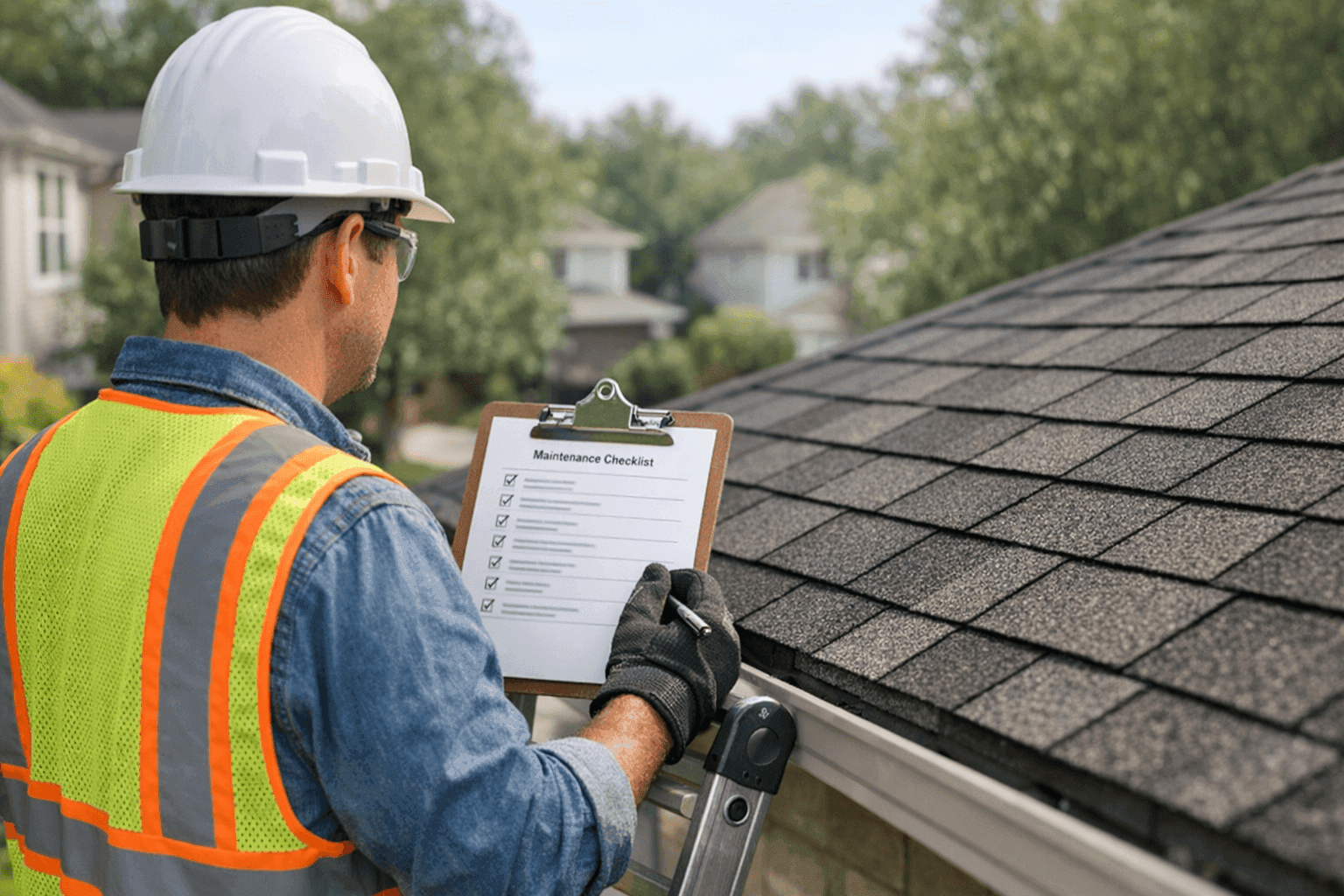
Is your shingle roof quietly working overtime, keeping you dry and safe? Most of us only think about our roofs when there’s a problem—like a mysterious drip after a storm, or those dark streaks creeping across the shingles. But a little attention, given at the right time, can save you from much bigger headaches (and bills) down the road.
At Overhead Roofing, we know what it takes to keep your roof in shape. Let’s break down the steps every homeowner should follow, season by season. You’ll find practical tips, clear warning signs, and honest advice on when to handle things yourself—and when it’s time to call for backup.
Why Maintenance Matters for Shingle Roofs 🏡
A shingle roof is like your home’s helmet. It takes the hits from rain, hail, sun, and wind—so you don’t have to. Small issues—loose shingles, clogged gutters, cracked flashing—can let water sneak in and cause hidden damage. Over time, a neglected roof can turn a simple fix into a full replacement. That’s not just expensive; it’s stressful.
The National Roofing Contractors Association (NRCA) recommends regular inspections to extend your roof’s lifespan and keep your warranty valid. Think of maintenance as your insurance policy against surprise leaks and sudden repairs.
Seasonal Maintenance Checklist
Roofs face a different set of challenges every season. Here’s your homeowner-friendly action plan for each quarter of the year.
Spring: Wake-Up Call for Your Roof
- Inspect for Winter Damage: Look for missing, cracked, or curling shingles. Ice can loosen materials.
- Check Gutters and Downspouts: Clear out leaves, twigs, and winter debris. Clogged gutters send water where it shouldn’t go.
- Examine Flashing and Chimneys: Freeze-thaw cycles can pull flashing away from your roof or chimney.
- Look for Moss and Algae: Green patches can trap moisture and shorten shingle life.
- Schedule a Professional Inspection if you spot anything that looks suspicious.
Summer: Sun, Storms, and Quick Fixes
- Watch for Heat Damage: Sun can dry out and warp shingles. Look for brittle or blistered spots.
- Secure Loose Nails and Shingles: Summer storms can lift and peel back vulnerable areas.
- Trim Overhanging Branches: Prevent branches from scraping shingles or dropping debris.
- Check Attic Ventilation: Poor airflow can bake your roof from the inside out.
Fall: Prep for the Wet and Cold
- Clear Gutters (Again): Falling leaves fill gutters fast. Overflowing water leads to leaks.
- Inspect for Loose Shingles: Fall storms and wind can work shingles loose.
- Check for Animal Nests: Squirrels and birds love to hide in cozy eaves.
- Seal Cracks: Use roof-safe sealant for minor gaps in flashing or vent boots.
Winter: Stay Dry, Stay Safe
- Watch for Ice Dams: Ice buildup along roof edges can push melted water under shingles.
- Clear Heavy Snow: Use a roof rake from the ground—never climb on a snowy roof.
- Monitor for Leaks Inside: Check ceilings and attic for damp spots after snow or rain.
- Keep Vents Clear: Blocked vents can lead to condensation and mold.
When to DIY vs Call a Pro
Every roof tells a story. Sometimes, it whispers simple fixes you can handle. Other times, it shouts for a specialist. Here’s how to tell the difference.
Gutter Cleaning
- DIY: Use a sturdy ladder, work gloves, and a scoop. Always let someone know you’re working up high.
- Call a Pro: If your roof is steep, high, or you notice extensive rot or sagging gutters, it’s safer to get help. Falls are a leading cause of home injuries.
Moss Removal
- DIY: Small patches can be scrubbed with a soft brush and a moss-killing solution (never a pressure washer—this can damage shingles).
- Call a Pro: If moss covers large areas, or your roof feels slippery underfoot, stay off. Pros have the right safety gear and know-how.
Minor Repairs
- DIY: Replacing a single shingle, hammering in a popped nail, or applying a dab of sealant to a tiny crack are reasonable for a handy homeowner.
- Call a Pro: Large areas of missing or damaged shingles, leaks you can’t trace, sagging spots, or anything near electrical wires need professional attention.
Red Flags for Immediate Help:
- Water stains on your ceiling or walls
- Sagging roof lines
- Consistent leaks after storms
- Shingles that crumble underfoot
If you see these, don’t wait. The longer water gets in, the more damage it does behind the scenes.
The Real Cost of Delay
Putting off shingle roof maintenance is like ignoring a slow leak under your sink. You might not notice the damage right away, but it will show up—sometimes in the form of mold, structural rot, or even ruined insulation. Small investments in time and care protect your roof’s value and your home’s comfort.
According to the International Association of Certified Home Inspectors (InterNACHI), regular maintenance can extend a shingle roof’s lifespan by up to 50%. That’s years of extra protection for your family and your wallet.
Your Homeowner Safety Checklist
Before you climb a ladder or grab your toolbelt, remember:
- Never work on a wet or icy roof.
- Use a sturdy, properly placed ladder—never lean it against loose gutters.
- Wear rubber-soled shoes for grip.
- Don’t work alone—always tell someone when you’re up there.
If you’re unsure or uncomfortable, call Overhead Roofing. No roof repair is worth risking your safety.
Common Mistakes Homeowners Make
- Ignoring Small Leaks: Even a minor drip can be a symptom of bigger trouble.
- Using Harsh Cleaners or Pressure Washers: These can strip granules off your shingles, shortening their lifespan.
- Covering Up Problems: Don’t just patch over sagging or rotting wood—find the source first.
- Skipping Regular Inspections: Out of sight shouldn’t mean out of mind.
Signs It’s Time for a New Roof
- Shingles are curled, cracked, or missing in multiple places.
- Granules are piling up in gutters.
- The roof is sagging or feels soft underfoot.
- Light is visible through the attic ceiling.
- The roof is over 20 years old (for most asphalt shingle roofs).
If you spot more than one of these, it’s time to schedule a Inspections.
Materials and Tools for Basic Upkeep
- Sturdy extension ladder
- Safety harness
- Work gloves
- Soft-bristle brush
- Roof-safe cleaner or moss killer
- Roofing sealant
- Replacement shingles (match type and color)
- Caulk gun
- Gutter scoop
Quality matters—using the right materials keeps your warranty intact and extends your roof’s life.
How Long Will Maintenance Take?
Most seasonal checkups take a couple of hours. Gutter cleaning might need an afternoon, while minor repairs can often be wrapped up before lunch. Major repairs or replacements are best left to pros and will take longer, depending on your roof’s size and complexity.
What Pros Do That Homeowners Can’t
Professional roofers bring more than a ladder and a truck. We spot subtle warning signs, use industry-approved materials, and follow up-to-date building codes (like those from the International Residential Code). We also carry insurance—so you’re covered if the unexpected happens.
At Overhead Roofing, we’re known for our thorough Preventative Maintenance and shingle roofing care. We’ve seen it all, and we’re always ready to help.
Emergency? Here’s What to Do First
If a storm tears off shingles or you spot a leak during heavy rain:
- Move valuables away from the affected area.
- Place buckets or tarps to catch water.
- Don’t climb on the roof during a storm.
- Call Overhead Roofing immediately for emergency repair.
We offer emergency services to keep you safe and minimize damage—any time, day or night.
Frequently Asked Questions
How often should I inspect my shingle roof?
Twice a year—usually spring and fall—plus after any major storm.
Can I walk on my shingle roof?
It’s safest to stay off unless absolutely necessary. Shingles can break, and a slip can be serious.
What’s the best way to find leaks?
Look for water stains inside, check the attic after rain, and inspect flashing and shingles outside.
Does insurance cover roof repairs?
Most policies cover sudden, accidental damage (like hail or wind), but not wear and tear. Check your policy or talk to your provider.
Protect Your Investment—Year After Year
Your roof isn’t just another part of your house. It’s the shield that keeps your family secure and comfortable. By following this maintenance checklist, you’ll keep small problems from turning into big ones.
If you’re searching for “Tile Roofing near you,” or need reliable repairs and roofing services, Overhead Roofing is here for you.
Call Overhead Roofing now — or reach us anytime at 855-554-4704 .