How to Safely Clean Your Roof Without Causing Damage
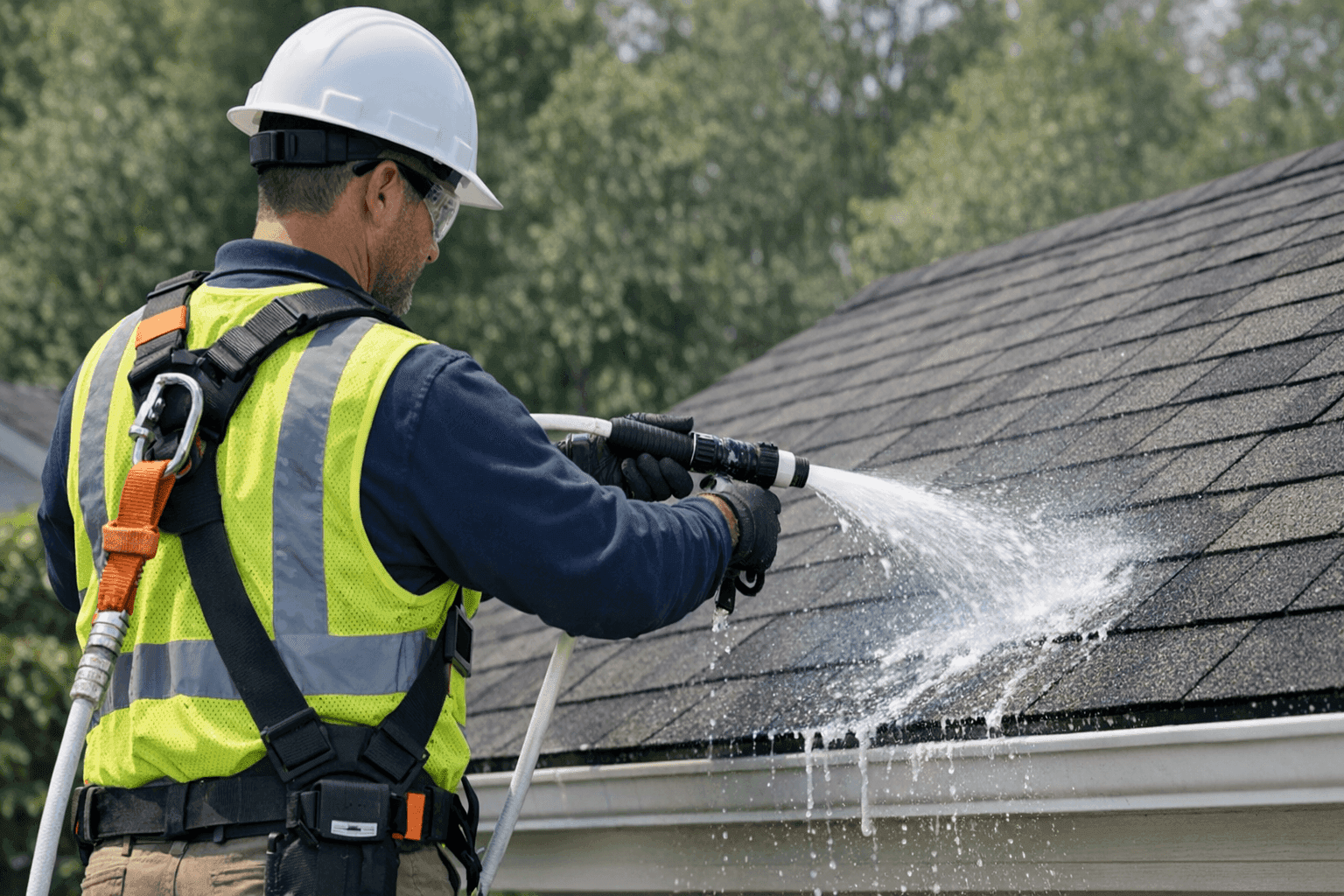
Every roof tells a story. Maybe yours has weathered years of sun, a few storms, or the quiet build-up of moss and leaves. Whatever the tale, one thing’s certain: a dirty roof can quickly become a damaged one. At Overhead Roofing, we know the urge to grab a ladder and tackle the grime yourself, but a single misstep can lead to leaks, broken shingles, or worse.
Routine roof cleaning protects your investment, keeps curb appeal high, and can even help avoid costly repairs. But how do you do it safely—without accidentally turning a cleaning day into a call for emergency roof repair?
Why Roof Cleaning Matters
A roof isn’t just a lid for your home. It’s the umbrella shielding everything below from rain, wind, and sun. Over time, debris, algae, moss, and lichen love to settle in—especially on shingle, tile, or flat roofs. These unwanted guests trap moisture, break down materials, and can even void warranties if left untended.
Here’s why regular cleaning matters:
- Extends Roof Life: Removing debris and organic growth prevents premature aging.
- Protects Shingles and Tiles: Moss and algae eat away at roofing materials, causing them to crack or curl.
- Prevents Leaks: Blocked gutters or flashing can direct water where it shouldn’t go.
- Boosts Curb Appeal: A clean roof means your home looks its best.
- Helps with Insurance and Warranty: Many policies require regular maintenance.
Ignoring the problem is like letting weeds choke your garden—eventually, they take over.
Quick Safety Checklist Before You Start 🛑
Before you even think about climbing up, stop and check:
- Is your ladder stable and rated for your weight?
- Are you wearing non-slip shoes and gloves?
- Do you have a spotter or someone to help?
- Are you aware of overhead power lines?
- Is the weather dry and calm?
- Do you know where all skylights, vents, and fragile spots are?
Accidents can happen in seconds. According to the Occupational Safety and Health Administration (OSHA), falls are one of the leading causes of injuries at home. If in doubt—don’t risk it. Call a pro.
Safe Cleaning Methods for Common Roof Types
Every roof is different. What works for one might harm another. Let’s break it down:
Asphalt Shingle Roofs
These are common and relatively easy to clean, but also easy to damage.
- Soft Washing: Use a low-pressure sprayer with a 50/50 mix of water and biodegradable cleaning solution. Gently apply—never blast.
- Brushes: Soft-bristle brushes only! Scrub gently to remove moss or stains.
- Rinsing: Always rinse from the top down to avoid lifting shingles.
Tile Roofing
Tile roofs are beautiful, but tiles can crack if stepped on the wrong way.
- Manual Removal: Use a leaf blower for loose debris.
- Mild Solution: Clean tiles with water and a gentle soap, scrubbing with a soft brush.
- Watch Your Step: Step only on lower third of each tile where it sits atop the next.
Looking for “Tile Roofing near you”? Cleaning tiles right protects both their beauty and function.
Metal Roofing
Metal is resilient but slippery.
- Low-Pressure Wash: Use a garden hose or soft wash—never high pressure.
- Non-Abrasive Cleaners: Avoid anything gritty that could scratch.
- Safety First: Metal gets slick; secure footing is crucial.
Flat Roofs
Debris collects fast here.
- Broom or Blower: Sweep leaves and branches regularly.
- Inspect Drainage: Make sure drains aren’t blocked to prevent ponding water.
- Spot Clean: Use mild cleaners and avoid pooling chemicals.
What to Avoid (Pressure Washing, Harsh Chemicals) 🚫
A blast of water might seem efficient, but it’s often the fastest way to wreck a roof.
- Pressure Washing: Can strip granules from shingles, loosen tiles, and force water under roofing materials, leading to leaks.
- Harsh Chemicals: Bleach and ammonia can break down roofing materials and harm your landscaping.
- Wire Brushes: These can tear up shingles or scratch tiles, shortening the roof’s lifespan.
- Walking on Wet Roofs: Slippery surfaces increase fall risk.
The National Roofing Contractors Association strongly advises gentle methods and professional help for most roof cleaning tasks.
DIY vs Professional Cleaning
You might be handy, but roof cleaning is a game of high stakes. Let’s weigh it out.
DIY Approach
- Pros: Saves money, immediate action, learn about your roof.
- Cons: Safety risks, potential for accidental damage, risk of voiding warranties.
Professional Cleaning
- Pros: Licensed teams, proper equipment, trained eye for hidden issues, safe cleaning agents.
- Cons: Upfront cost, scheduling.
If your roof is steep, high, or made from specialty materials, bringing in a roofing contractor is the smart move. Sometimes, spending a little now saves a lot later.
What Pros Do On Arrival
When Overhead Roofing arrives for a cleaning:
- We inspect for loose shingles, damaged flashing, or signs of leaks.
- We use safety harnesses and spotters.
- We protect landscaping and carefully control runoff.
- We use soft-wash systems and, if needed, hand-clean delicate areas.
- We give you a heads-up if we spot anything that needs repair—like a sneaky leak or worn-out sealant.
Prevention & Maintenance: The Best Defense
A little routine goes a long way. Preventative maintenance can keep your roof in top shape:
- Annual Inspections: Catch small problems before they become big ones.
- Trim Overhanging Branches: Less debris means less cleaning.
- Clean Gutters: Clogged gutters can back up water under your shingles.
- Apply Algae-Resistant Treatments: Especially useful in humid climates.
Check out our Preventative Maintenance program for a schedule that suits your roof and budget.
Costs & Time Factors
How much will it set you back? For most residential roofs, professional cleaning runs a few hundred dollars, depending on:
- Size and pitch of your roof
- Amount of debris or growth
- Accessibility
- Roof material
DIY? Plan for several hours, especially if you’re careful (and you should be).
When It’s an Emergency
Sometimes, cleaning can’t wait. Heavy moss, blocked gutters, or storm debris after a weather event can put your roof at immediate risk. If you see signs of leaks, sagging, or water stains inside, it’s time to call for Roof Repair before cleaning.
Seasonal Considerations 🌦️
Timing is everything.
- Spring: Best for clearing winter debris and prepping for rain.
- Summer: Dry weather makes cleaning safer.
- Fall: Remove leaves before they trap moisture.
- Winter: Avoid unless absolutely necessary—icy roofs are dangerous.
Common Mistakes to Avoid
- Using too much pressure or the wrong cleaning agents.
- Over-cleaning (removing protective granules from shingles).
- Not rinsing thoroughly, leaving residue behind.
- Ignoring the gutters and downspouts.
- Forgetting to check for loose or missing fasteners.
Signs of Trouble: Know When to Call
If you spot any of these, stop cleaning and call Overhead Roofing:
- Sagging areas or soft spots underfoot
- Missing or cracked shingles/tiles
- Granules in gutters
- Water stains inside your home
- Persistent moss or algae, even after gentle cleaning
Timeline & Disruption
A typical roof cleaning takes half a day for most homes. Expect some noise and, occasionally, limited driveway access. We work quickly and cleanly so you can get back to enjoying your home.
Materials & Equipment Checklist
- Stable extension ladder
- Soft-bristle brush or broom
- Low-pressure garden hose or sprayer
- Biodegradable roof cleaner
- Safety harness and non-slip shoes
- Gloves and eye protection
Never use anything you wouldn’t trust on your car’s paint.
FAQ: Roof Cleaning Edition
How often should I clean my roof?
Once a year is a good rule of thumb, but more often in heavily treed or damp areas.
Can I use bleach to clean my roof?
Only if heavily diluted, and never near plants. Safer to use specialty roof cleaners.
Is moss dangerous for my roof?
Yes—moss traps moisture, which leads to decay and leaks.
Will cleaning void my warranty?
Check your manufacturer’s instructions. Many require gentle, approved cleaning methods.
The Takeaway: Clean Roof, Safe Hands
Roof cleaning isn’t just about looks—it’s about protecting your home for the long haul. Whether you’re up for the challenge or need a helping hand, Overhead Roofing is here to guide you. Remember: safety first, gentle methods always.
Call Overhead Roofing now — or reach us anytime at 855-554-4704 .