Roofing Myths Debunked: What Homeowners Need to Know
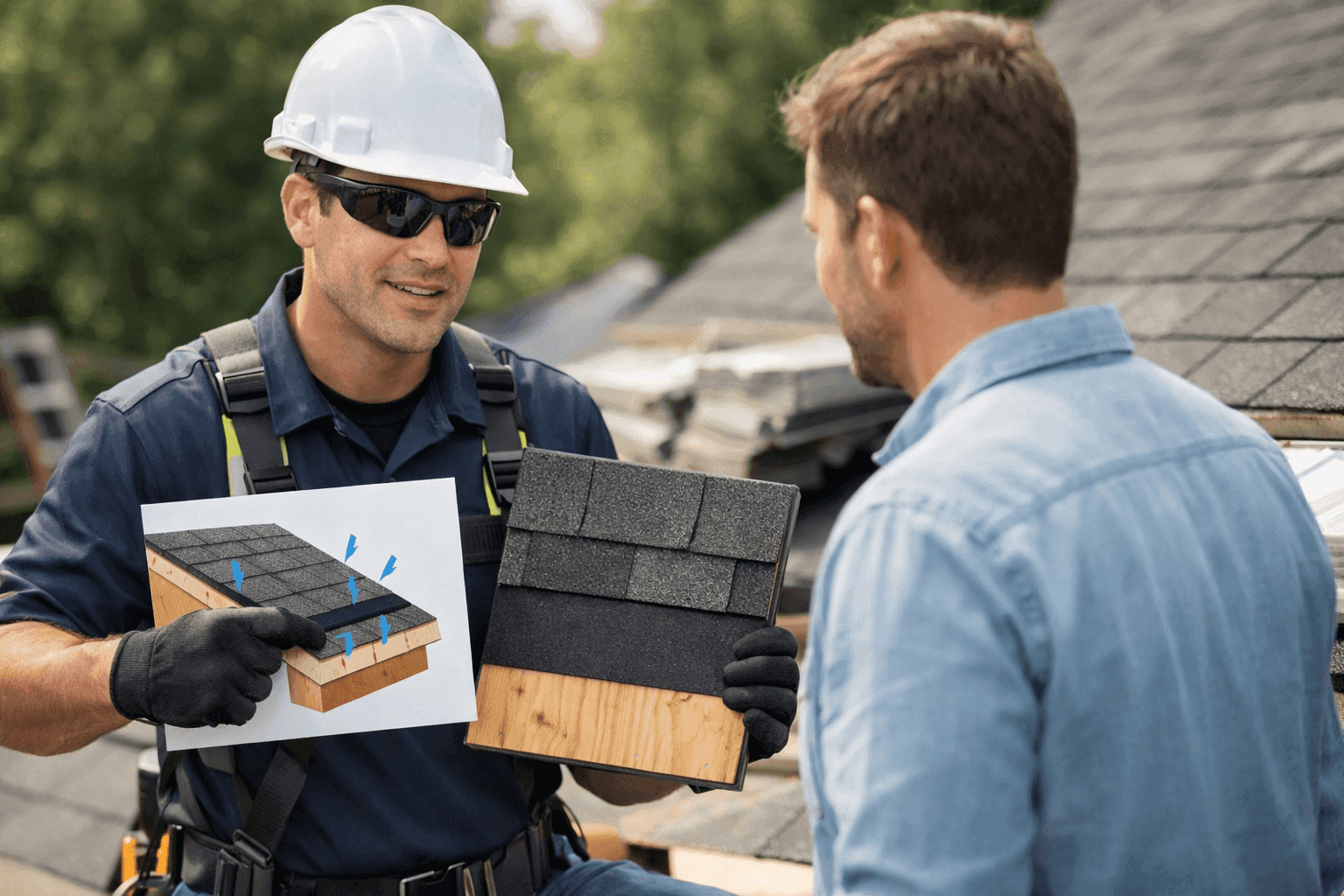
We’ve all heard the stories. A neighbor’s roof “lasted forever.” Someone else swears by a DIY fix from a viral video. When it comes to your roof, myths and half-truths fly faster than autumn leaves. But your home deserves better than guesswork.
At Overhead Roofing, we believe homeowners should have the facts—plain and simple. Let’s cut through the clutter, set the record straight, and show you what truly keeps your roof over your head.
Top Roofing Myths
Roofing myths are like urban legends: persistent and surprisingly contagious. Let’s tackle the most common ones head-on. 💡
Myth 1: "You Only Need a New Roof If It Leaks"
Sounds logical, right? But it’s like waiting for your car to break down before changing the oil. By the time you spot a leak, hidden damage could be widespread—rotted decking, mold in your attic, or ruined insulation. Many roofing issues start small and silent. Early inspections can save you thousands.
Myth 2: "All Roofing Materials Last the Same Amount of Time"
A sturdy metal roof can outlast asphalt shingles by decades. Tile roofing near you might promise 50+ years, while standard shingles average 15–30. Material, climate, and installation all factor in. Check your manufacturer’s guidelines and ask about local building codes for accurate info.
Myth 3: "DIY Repairs Are as Good as Professional Ones"
The internet makes roof repair look easy. But like fixing a leaky faucet, it’s only simple until it isn’t. Roofing involves safety risks, skill, and specialized tools. One wrong move can void warranties or cause bigger problems down the line. Most building codes recommend professional installation for a reason.
Myth 4: "Roofs Don't Need Maintenance"
Imagine ignoring your car for years. Roofs are no different—they need regular check-ups. Small maintenance tasks like clearing gutters, checking flashing, and replacing broken tiles can double a roof’s lifespan and prevent surprise repairs.
Myth 5: "Insurance Will Always Cover Roof Damage"
Not all policies are created equal. Some exclude wind or hail. Others deny claims for neglect or old age. Know your coverage—and keep records of inspections and repairs.
Myth 6: "A New Roof Means Zero Worries"
Even the best roof requires care. Weather, falling branches, and time all leave their mark. Preventative maintenance keeps your investment strong.
The Truth About Roof Maintenance, Repairs, and Lifespan
What’s really true? Here’s what every homeowner should know.
A Roof's Lifespan Depends on More Than Material
- Climate: Sun, wind, and storms all speed up wear.
- Ventilation: Poor airflow causes heat and moisture build-up, shortening life.
- Installation: Even the best materials fail if installed poorly.
The National Roofing Contractors Association recommends twice-yearly inspections—spring and fall. Regular checks spot issues early, from loose shingles to clogged downspouts.
Roof Repairs: When, Why, and How
- Spot Repairs: Small leaks or missing shingles caught early can often be fixed quickly.
- Flashing & Sealants: Damaged flashing (around chimneys or vents) is a common source of leaks.
- Decking and Structure: Sagging or water-stained ceilings often mean bigger issues under the surface.
If you notice granules in gutters, curled shingles, or daylight in the attic, it’s time to call in a pro. Not sure? Schedule a roofing inspection with our residential team.
When It’s Time for a Roof Replacement
- Age: Most roofs have a “retirement date.” Check your install date.
- Storm Damage: After hail or heavy wind, have your roof checked—even if everything looks okay.
- Multiple Leaks: Widespread leaks or chronic repairs often mean replacement is more cost-effective.
Learn more about our roof replacement services.
How to Get Accurate Roofing Advice
With so much information out there, how do you sort fact from fiction? 🛠️
Ask the Right Questions
- Is the advice based on your roof’s material and age?
- Does it follow local building codes and safety standards?
- Is the source reputable—like the International Code Council or the National Roofing Contractors Association?
Go Beyond the Surface
A beautiful new roof means little if what’s beneath is rotten. A thorough inspection covers:
- Decking: The wooden backbone of your roof.
- Flashing: Metal pieces that seal joints and valleys.
- Ventilation: Proper airflow prevents mold and heat buildup.
Don’t Wait for Trouble
Just like you wouldn’t ignore a rattle in your car, don’t wait for water to pour through the ceiling. Schedule regular inspections. After a major storm, even if no shingles are missing, have a pro check for hidden hail bruises or lifted flashing.
Know When to DIY—And When to Call a Pro
- DIY: Clearing gutters, trimming trees, checking for visible debris.
- Call a Pro: Leaks, sagging, storm damage, or anything involving heights or electrical.
The U.S. Occupational Safety and Health Administration (OSHA) has clear guidelines for roofing safety. Most accidents happen when homeowners attempt repairs without proper gear or training.
Quick Safety Checklist for Homeowners
Before you even think about climbing a ladder, ask yourself:
- Is the ladder stable and on level ground?
- Am I wearing non-slip shoes?
- Is someone nearby in case of emergency?
- Is the weather dry and clear?
If you answer “no” to any—wait for a professional.
Seasonal Roofing Considerations
Roofs work hardest when seasons change.
- Spring: Check for winter damage—ice dams, loose shingles.
- Summer: Watch for sun damage and inspect for mold in humid areas.
- Fall: Clear leaves from gutters and downspouts; check flashing before winter.
- Winter: Remove heavy snow if safe; look for ice dams forming at eaves.
Common Mistakes Homeowners Make
- Ignoring small leaks
- Neglecting gutter cleaning
- Delaying inspections
- Choosing the cheapest repair, not the right one
- Failing to check attic ventilation
Preventative Maintenance Pays Off
A little prevention beats a big emergency every time. Clean gutters, trim back trees, and look for moss or algae growth. Schedule regular professional inspections, and address small problems before they grow.
Signs Your Roof Needs Attention
Don’t ignore these red flags:
- Water stains on ceilings or walls
- Missing, cracked, or curling shingles
- Rusted or damaged flashing
- Granules collecting in gutters
- Sagging roof lines
Timeline & Disruption: What to Expect
- Small Repairs: Often done in a day, with minimal disruption.
- Full Replacement: Plan for a few days of noise, debris, and workers on-site.
- Storm Damage Restoration: May take longer, depending on insurance and material availability.
Your Overhead Roofing team keeps you updated every step of the way.
Roofing Materials: Choose What Fits Your Home
- Asphalt Shingles: Affordable, easy to repair, wide color range.
- Tile Roofing: Durable, fire-resistant, great for long-term value.
- Metal Roofing: Long-lasting, eco-friendly, reflects heat.
- Flat Roofs: Ideal for modern designs, but require specialized maintenance.
Each has pros and cons—ask what works best for your climate, budget, and home style.
Emergency Services: When Every Minute Counts
Storm just hit? Water pouring in? Overhead Roofing offers emergency services for those moments when waiting isn’t an option. Keep our number handy.
Roofing in Your Neighborhood
Looking for reliable roofing services in Gladstone? Our team knows the local weather patterns and building codes—so your roof is protected season after season.
Final Thoughts
Roofing myths persist because they’re easy to believe. But the right knowledge saves you money, stress, and headaches. Don’t let fiction put your home at risk. When in doubt, ask questions, keep up with maintenance, and trust your instincts—your roof (and your family) will thank you.
Call Overhead Roofing now — or reach us anytime at 855-554-4704 .