Roofing for Energy Efficiency: Save on Utility Bills Year-Round
Is your house hot in the summer, cold in the winter, and your utility bills seem to climb no matter how much you adjust the thermostat? You’re not alone. Many homeowners don’t realize just how much their roofing affects comfort and costs. At Overhead Roofing, we’ve helped countless families transform their homes into energy-saving havens.
The good news: improving your roof’s energy efficiency isn’t a mystery. With the right materials and a few smart upgrades, you can create a home that feels better and costs less to run.
How Roofs Affect Energy Use
Your roof acts like the lid on a pot—if it’s thin, cracked, or poorly fitted, all the warmth or cool air you’re paying for just floats away. According to the U.S. Department of Energy, heat gain and loss through the roof can account for nearly 25% of your home’s energy use. That’s every fourth dollar from your energy bill, literally out the roof.
The science is straightforward:
- Heat Rises: In winter, warm air escapes through an uninsulated or poorly sealed roof.
- Sun Beats Down: In summer, a dark or bare roof soaks up sunlight, turning your attic into a sauna and making your AC work overtime.
- Leaks Add Up: Small gaps or cracks can mean big drafts and higher bills.
Best Materials for Energy Savings 🏡
Choosing the right roofing material is like picking out a weatherproof coat for your house. Some materials keep you cozy and dry, while others leave you shivering (or sweating).
- Tile Roofing: Reflects more sunlight than asphalt, keeping your attic cooler. Clay and concrete tiles also have natural insulating properties.
- Metal Roofing: Durable, lightweight, and highly reflective. According to ENERGY STAR®, some metal roofs can reduce cooling costs by up to 25%.
- Cool Roof Shingles: Special coatings bounce sunlight away, lowering roof surface temperature.
- Eco-Friendly Options: Green roofs (with living plants), recycled shingles, or solar-integrated materials offer both efficiency and environmental benefits.
Always check for ENERGY STAR® ratings and consult local building codes to ensure your choices meet safety and efficiency standards.
Insulation, Color, and Ventilation Tips
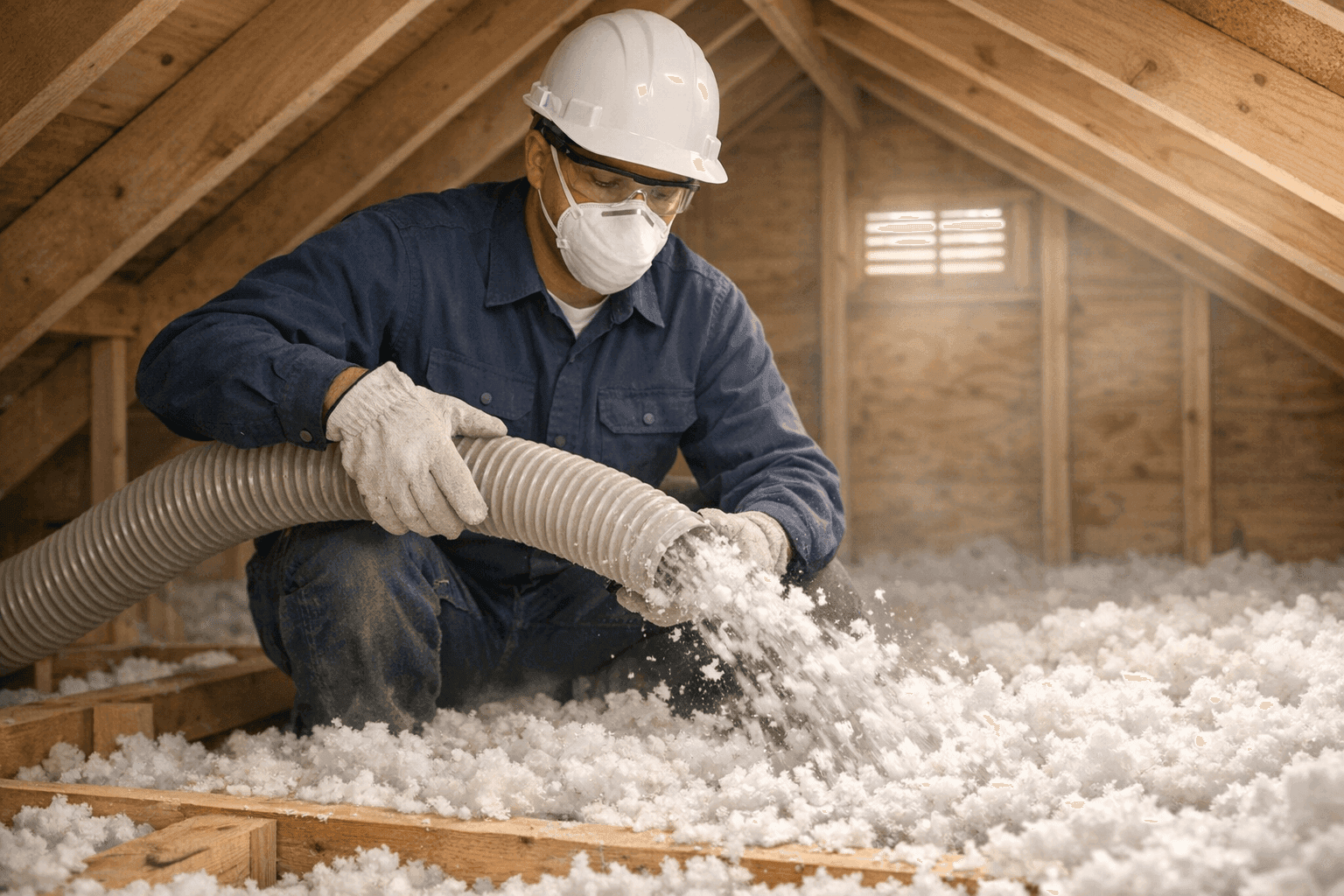
Think of insulation as your home’s winter scarf and summer shade. It locks in comfort and stops outside temperatures from sneaking in. But insulation alone isn’t enough.
- Attic Insulation: Aim for at least R-38 (per U.S. Department of Energy guidelines) in attics. More is often better, especially in colder climates.
- Roof Color: Light-colored roofs reflect sunlight, while dark roofs absorb heat. Simply choosing a lighter shingle or tile can lower attic temps by up to 30°F.
- Ventilation: Proper airflow prevents moisture build-up and keeps temperatures even. Ridge vents, soffit vents, and attic fans are all tools for the job. Without good ventilation, insulation can get damp and lose effectiveness.
Want to see how this plays out locally? Our Ventilation & Insulation page breaks down what works best for homes in the area.
When to Upgrade: Signs Your Roof Needs Help
Sometimes, the roof is quietly draining your wallet. Watch for these warning signs:
- You notice ice dams, condensation, or mold in the attic.
- Heating and cooling bills keep rising, even after weatherizing windows and doors.
- Uneven temps—one room always hot, another always cold.
- You see visible roof damage, missing shingles, or sagging gutters.
A professional Inspections can spot hidden issues before they become costly headaches.
Quick Safety Checklist Before You DIY
Before you climb up to inspect or patch your roof:
- Use a sturdy ladder and non-slip shoes.
- Never walk on wet or icy shingles.
- Turn off attic fans or exhausts before working inside.
- If heights aren’t your thing, call Overhead Roofing for help instead.
Always follow OSHA’s safety recommendations for residential roofing work.
DIY vs. Call a Pro: What’s Worth Your Time?
Some minor tasks—like clearing gutters or adding insulation batts—are doable for many homeowners. But for electrical work, structural repairs, or anything involving skylight and decking, hiring trained professionals isn’t just safer—it’s often more cost-effective long-term.
Pros bring tools and know-how:
- Advanced leak detection
- Safe removal and installation of heavy tiles or metal sheets
- Proper sealing and flashing to prevent future damage
What Pros Do On Arrival
When Overhead Roofing arrives, we:
- Inspect for hidden leaks, insulation gaps, and ventilation blockages
- Test attic temperatures and check for moisture
- Recommend the right materials for your climate and home style
- Provide a clear, written proposal—no jargon, just facts and costs
Prevention & Maintenance: Small Steps, Big Savings
Just like regular oil changes keep your car running, routine roof maintenance preserves energy efficiency. Here’s what to schedule:
- Annual inspections for wear, leaks, and insulation shifts
- Clean gutters and downspouts every spring and fall
- Replace cracked sealant and damaged flashing
- Check and clear roof vents to keep air moving
These habits can extend your roof’s life by years and keep energy bills from creeping up.
Costs & Time Factors
Upgrading for efficiency doesn’t have to break the bank. Here’s what to expect:
- Insulation upgrades: $1,500–$3,000 (for most attics), often recouped in energy savings within 2–4 years (per U.S. Department of Energy).
- Cool roof coatings: $0.75–$1.50 per square foot, applied in a day.
- Ventilation improvements: Costs vary, but simple fixes like ridge vents are affordable and quick to install.
Many utility companies offer rebates or incentives for energy-saving roofing improvements—ask Overhead Roofing for recommendations.
When It’s an Emergency
Storm damage, sudden leaks, or sagging roofs aren’t just inconvenient—they can turn into emergencies fast. If you spot water stains on ceilings, hear dripping in walls, or see daylight through the attic, call for help immediately.
We provide emergency services 24/7, so you never have to face the worst alone.
Seasonal Considerations: Beat the Heat and Cold
- Spring/Summer: Check for winter damage, clear out gutters, and inspect attic insulation before peak heat.
- Fall/Winter: Make sure your roof, flashing, and insulation are ready to keep warmth inside and prevent ice dams.
Timing upgrades before extreme weather helps you maximize comfort and savings.
Common Mistakes Homeowners Make
- Ignoring small leaks or drafts, thinking they’ll go away.
- Over-insulating without ventilation, trapping moisture and causing mold.
- Choosing dark roofing materials in sunny climates.
- Putting off inspections until visible damage appears.
If your home feels drafty or stuffy, your roof may be the culprit.
FAQ: Roofing for Energy Efficiency
Q: How often should I have my roof inspected?
A: At least once a year, and after major storms.
Q: Is a metal roof worth the investment?
A: Metal roofs offer excellent longevity and energy savings, especially with reflective coatings.
Q: Will insurance cover energy-efficient upgrades?
A: Not usually, unless tied to storm repair. But many states and utilities offer rebates.
Q: Can I add insulation myself?
A: In some cases, yes. But professional installation ensures full coverage and code compliance.
Timeline & Disruption: What to Expect
Most efficiency upgrades take less than a week. Insulation and vent work can often be done in a day. Larger projects—like full roof replacement—may last several days, depending on weather and material availability. Overhead Roofing works around your schedule to minimize disruption.
Materials and Equipment: What Makes the Difference
- High-quality insulation: Fiberglass, cellulose, or spray foam—each has pros and cons.
- Proper flashing and sealants: Keeps water and air from slipping through.
- Ridge, soffit, and gable vents: Create a balanced airflow system.
- Energy-efficient shingles or tiles: Look for ENERGY STAR® or cool roof labels.
Ask about our Eco-Friendly Options for materials that help the environment as well as your wallet.
Upgrading for Maximum Efficiency: The Overhead Roofing Approach ⚡
We believe every home can be made more comfortable and affordable to run. Our process is simple:
- Inspection and energy audit
- Tailored recommendations—no upsell, just honest advice
- Installation by licensed, experienced technicians
- Ongoing maintenance plans to keep savings rolling
By combining new technology with tried-and-true craftsmanship, we help families enjoy lower bills and year-round comfort.
Ready to start saving on your utility bills? Call Overhead Roofing now — or reach us anytime at 855-554-4704 .