Roof Ventilation & Insulation: Why They Matter for Home Comfort
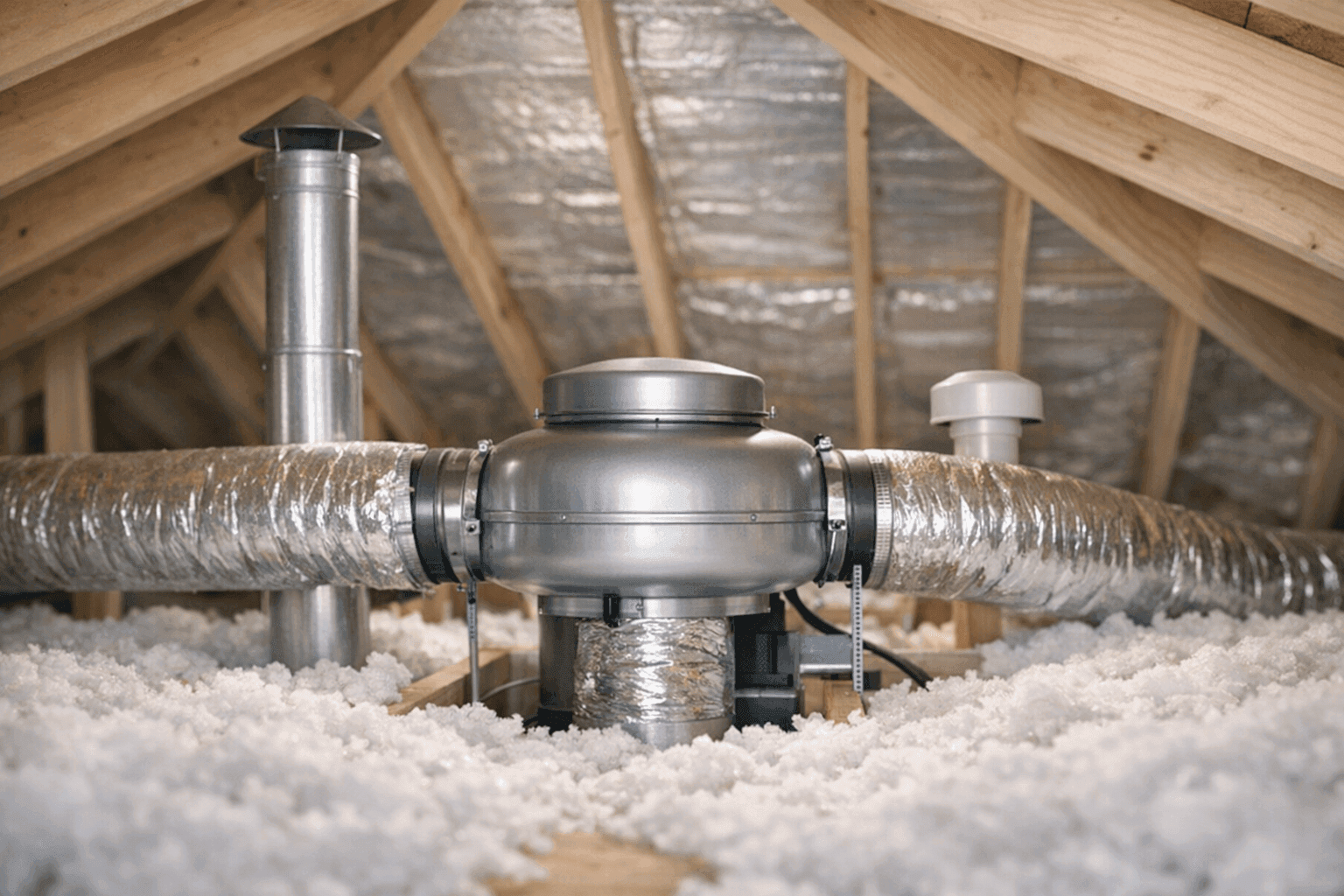
Your roof does more than just keep the rain out. It’s the silent guard against blistering summer heat, bone-chilling winter drafts, and everything in between. But even the best roofing can fall short if ventilation and insulation aren’t in check.
At Overhead Roofing, we see it every week: homeowners battling high energy bills, lingering dampness, or strange attic odors. Often, the culprit is hiding right above your head. Let’s break down why roof ventilation and insulation matter for your comfort and peace of mind.
Why Ventilation and Insulation Matter
Think of your attic as your home’s lungs. Without proper airflow (ventilation) and the right “blanket” (insulation), your house can’t breathe or stay cozy. The science is simple: ventilation lets hot air escape and fresh air in, while insulation keeps conditioned air where it belongs.
When these systems work together, you get:
- Lower energy bills
- Fewer temperature swings
- Protection from hidden moisture and mold
- A longer-lasting roof
Building codes (like those from the International Residential Code) require minimum attic ventilation for a reason. It’s not just about comfort—it’s about safety and durability.
Signs of Poor Ventilation (Heat, Mold, Ice Dams) 🌡️
How do you know if your attic or roof is struggling to breathe? Here are some warning signs:
- Sweltering Attic in Summer: If your attic feels like an oven, trapped heat can damage roof shingles and spike your AC costs.
- Musty Smells or Mold: Stale, damp air breeds mold spores. You might spot dark patches or smell mildew.
- Peeling Paint or Rotting Wood: Moisture build-up affects rafters and ceilings—not just in the attic, but in living spaces too.
- Winter Ice Dams: Snow melting unevenly on your roof, then refreezing at the edges, creates heavy ice dams. This can lead to leaks and water stains inside.
- High Utility Bills: Poor insulation and ventilation force your heating and cooling systems to work overtime.
Noticing any of these? It’s time to take a closer look.
How Proper Insulation Protects Your Roof
Insulation acts like a thermal shield. In the summer, it keeps the heat out; in the winter, it traps warmth inside. This balance:
- Prevents temperature extremes that crack or warp roofing materials
- Reduces strain on your HVAC system
- Blocks out moisture that would otherwise seep in and cause rot or mold
According to the U.S. Department of Energy, proper attic insulation can cut heating and cooling costs by up to 20%. That’s money in your pocket and less stress on your roof.
The Hidden Dangers of Overheating
Unchecked attic heat isn’t just uncomfortable. It can cook your shingles from the inside out. Over time, this leads to:
- Premature shingle failure (especially with asphalt or shingle roofing)
- Softening or warping of wood decking
- Shortened lifespan of underlayment and flashing
If you’ve invested in “Tile Roofing near you” or other premium materials, you want them to last. Ventilation is the secret ingredient.
Mold and Moisture: The Silent Threat
Mold is sneaky. It grows in the shadows, fueled by trapped humidity and poor airflow. Once it takes hold, it can be tough to remove and even tougher on your health.
Common mold triggers include:
- Blocked soffit vents
- Inadequate ridge or gable vents
- Insulation packed too tightly against roof sheathing
Spotting mold means it’s time for professional help. Don’t wait—mold can weaken your roof structure and trigger respiratory issues for your family.
Ice Dams: How Insulation and Ventilation Work Together
Picture this: snow piles up on your roof. Warm air in the attic melts the snow underneath, which then refreezes at the eaves. The result? Heavy ice dams that force water under your shingles.
The fix isn’t just better insulation. You also need ventilation to keep attic temperatures even across the roof plane. Together, they stop the freeze-melt cycle that causes leaks and water damage.
Energy Efficiency: Saving More Than Just Dollars
A well-ventilated, well-insulated roof is a powerhouse for energy savings. It:
- Slashes heating and cooling costs
- Reduces wear on your furnace and AC
- Minimizes your carbon footprint
If you’re considering eco-friendly roofing options, start with your attic. It’s the foundation of a sustainable home.
DIY vs. Call a Pro: What’s Safe to Tackle?
Some homeowners check attic vents or add weatherstripping themselves. That’s a great start. But for anything beyond basic maintenance, consider these safety tips:
- Never walk on insulation or rafters without proper support—one misstep can mean a trip through the ceiling.
- Electrical wiring and fixtures in attics can be hazardous.
- Mold or suspected asbestos? Always call a professional.
At Overhead Roofing, our technicians follow OSHA safety standards and use best practices to keep your home—and everyone in it—protected.
Professional Inspections: What To Expect
A thorough inspection looks beyond what’s visible. Here’s what pros look for:
- Blocked or missing vents
- Signs of moisture or past leaks
- Insulation gaps or compression
- Mold, mildew, or pest issues
- Roof deck condition
Our team provides detailed reports and walks you through every finding. We’ll recommend the right solution for your ventilation and insulation needs.
Preventative Maintenance: Staying Ahead of Problems 🛠️
Routine attic and roof maintenance saves money and prevents surprises. We recommend:
- Checking attic vents for blockages every season
- Monitoring insulation levels—settling or shifting can create gaps
- Scheduling annual inspections for peace of mind
These simple steps extend the life of your entire roofing system.
What Happens During an Upgrade?
If your home needs new insulation or ventilation upgrades, here’s what to expect:
- Assessment: We measure attic airflow and insulation thickness.
- Removal: Old or damaged insulation may be removed safely.
- Installation: We add or replace insulation, ensuring even coverage. Vents are installed or cleared.
- Testing: Airflow is checked to confirm everything works as designed.
Most jobs finish in a day or two. Disruption is minimal—and the comfort boost is immediate.
Seasonal Considerations: Summer Heat, Winter Freeze
Ventilation and insulation aren’t just for one season. In summer, they block radiant heat. In winter, they protect against ice and keep warm air inside.
If you notice discomfort during extreme weather, your attic may need attention.
Common Mistakes to Avoid
- Blocking ventilation with insulation batts or boxes
- Using the wrong R-value for your climate zone
- Ignoring small leaks or water stains
- Skipping annual maintenance
Avoid shortcuts—your home’s comfort depends on it.
Timeline, Costs & What Impacts Price
Insulation and ventilation upgrades are some of the most cost-effective roofing services. Factors that affect price include:
- Attic size and access
- Type and amount of insulation needed
- Ventilation system complexity
Upgrades often pay for themselves through energy savings within a few years.
Emergency Situations: When to Act Fast 🚨
If you spot water stains on ceilings, feel a sudden draft, or see mold, don’t wait. These are signs of urgent problems that can escalate quickly. Call for emergency roofing services if you suspect roof leaks or significant moisture.
FAQ: Your Ventilation & Insulation Questions
How can I tell if my attic needs more insulation?
If you can see joists or the insulation looks uneven, it’s time to add more.
What’s the best type of attic ventilation?
It depends on your roof style. Ridge vents, soffit vents, and gable vents all have their place. A pro can guide you.
How often should I check my attic?
Twice a year—spring and fall—plus after major storms.
Will proper insulation reduce noise?
Yes! It helps muffle outside sounds, making your home quieter.
Connect Roof Health to Home Comfort
A well-maintained attic is your home’s comfort engine. From preventing ice dams to cutting down on energy bills, ventilation and insulation do the heavy lifting—often unnoticed.
If you’re unsure where to start, the Overhead Roofing team is ready to help. We’ve helped homeowners with everything from Preventative Maintenance to energy-saving upgrades.
To learn more about our full range of roofing services, including Ventilation & Insulation in North Las Vegas, explore our site or give us a call.
Call Overhead Roofing now — or reach us anytime at 855-554-4704 .