Roof Sealants and Coatings: Do They Really Work?
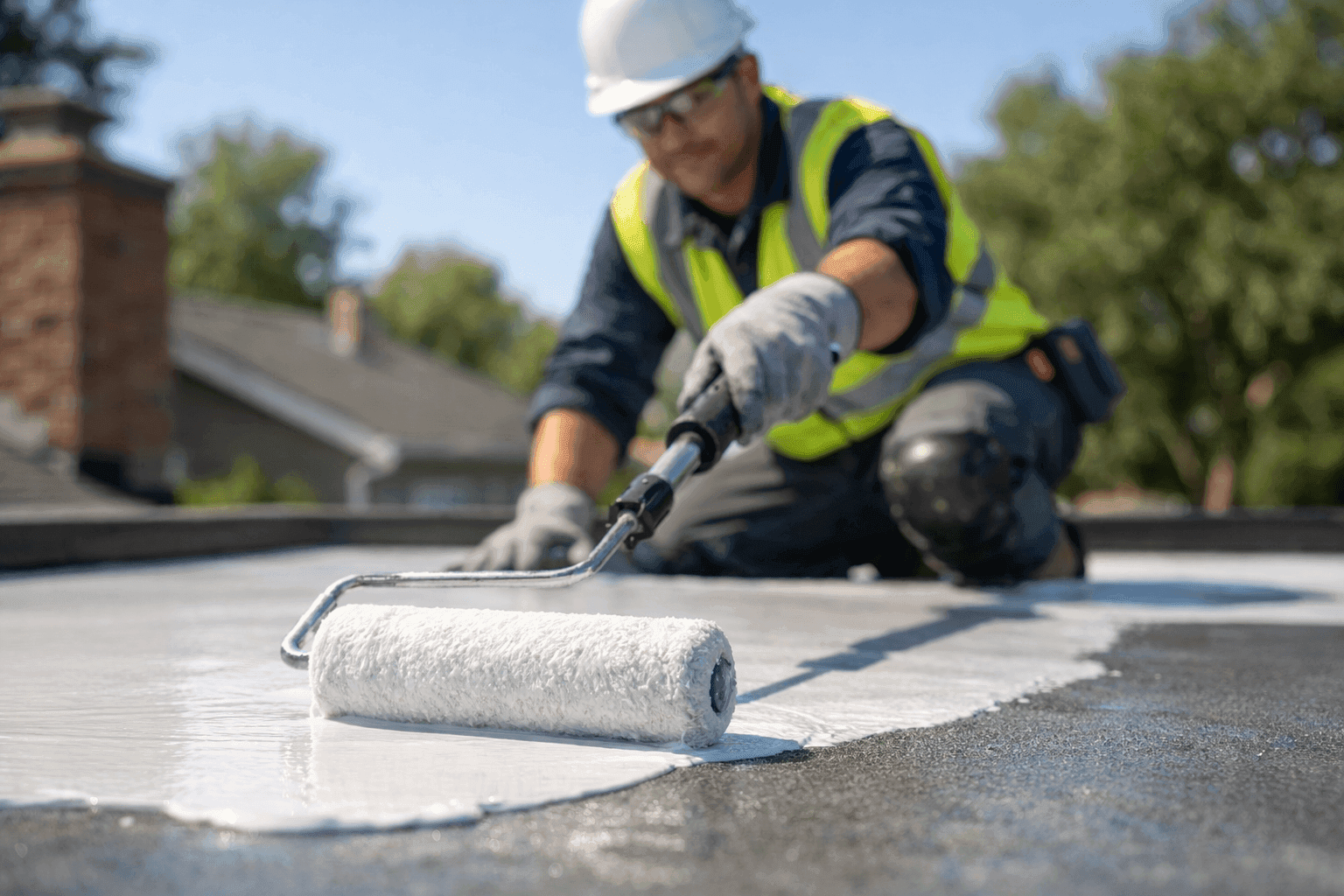
Is your roof showing signs of wear, but you’re not ready for a full replacement? You’re not alone. Many homeowners wonder if roof sealants and coatings can buy them time—or even solve leaks for good.
At Overhead Roofing, we see the good, the bad, and the ugly when it comes to quick fixes and lasting results. If you’re weighing your options, let’s break down what sealants and coatings can do for you.
What Are Roof Sealants and Coatings? 🛡️
Think of roof sealants and coatings as raincoats for your home. They’re liquid products applied over your existing roof to create a protective layer—sometimes clear, sometimes reflective, often flexible. The goal? Shield your roof from water, sun, and even chemical damage.
- Sealants fill cracks, seams, or joints to stop leaks.
- Coatings cover wide areas—like flat roofs or aging shingles—to block UV rays and slow down deterioration.
There are many types: silicone, acrylic, polyurethane, bitumen, and more. Each has its strengths and weaknesses. The National Roofing Contractors Association (NRCA) and the International Building Code give guidelines on safe and effective use.
Benefits for Different Roof Types
Not all roofs are created equal. Here’s how sealants and coatings measure up depending on your roof:
- Flat Roofs: Coatings are often a lifesaver here. They reflect sunlight, resist pooling water, and can extend a flat roof’s life by years. For more on our flat roof services, see Flat Roofs.
- Tile Roofing: A clear penetrating sealant can help repel water but won’t fix cracked or slipped tiles. Think of it as weatherproofing, not a repair.
- Shingle Roofing: Some coatings can help with granule loss and UV protection, but beware—improper applications might void your warranty.
- Metal Roofing: Coatings cut down on rust, noise, and heat. They’re especially useful for older metal roofs showing small leaks.
- Commercial Roofs: Large, low-slope roofs benefit from cool roof coatings that lower energy bills and reduce heat stress on the building.
When Sealants and Coatings Make Sense
- Small leaks or seams that haven’t grown into gaping holes
- UV protection for aging but still-strong roofs
- Energy savings for flat or metal roofs exposed to direct sun
- Temporarily extending the life of a roof you plan to replace within a few years
Limitations and When Not to Use 🚫
Let’s be honest—sealants and coatings aren’t magic potions. Sometimes, they’re just a bandage. Here’s when they fall short:
- Major Structural Damage: If your roof deck is rotted, sagging, or moldy, coatings won’t help. You need real repairs—possibly a replacement.
- Large Leaks: If water is pouring in, sealants may slow the drip but won’t fix the root problem.
- Wrong Roof Type: Some materials (like slate or wood shake) don’t bond well with most coatings.
- Preparation Problems: Old, dirty, or poorly prepped surfaces mean coatings won’t stick. The result? Peeling, bubbling, or more leaks.
When in doubt, have a professional inspection before you invest in coatings.
Professional vs DIY Application
It’s tempting to grab a bucket of sealant and a roller. But is it a good idea?
The DIY Approach
- Pros: Lower upfront cost, instant gratification.
- Cons: Missed prep steps, improper thickness, or using the wrong product can lead to a bigger mess.
- Risks: Slips, falls, and exposure to chemicals. Always follow OSHA roofing safety rules.
What Pros Do Differently
- We clean and prep every inch—no shortcuts.
- We match the product to your roof type and climate.
- We apply even, thick coats and check for hidden damage.
- We spot problems you might miss, and recommend repairs if needed.
For more details on proper professional repairs, see our Roof Repair service.
Quick Safety Checklist
- Never apply coatings to a wet or icy roof.
- Wear non-slip shoes and use a sturdy ladder.
- Protect your eyes, skin, and lungs from fumes—ventilation is key.
- Don’t ignore nearby skylights, chimneys, or flashing.
Common Mistakes to Avoid
- Skipping roof cleaning—dirt and debris cause coatings to fail.
- Applying in the wrong weather (too cold, too wet, too hot).
- Ignoring manufacturer instructions. Thicker isn’t always better.
- Overlooking roof edges, seams, and penetrations.
Costs & Time Considerations 💸
- Materials: Quality coatings can cost from $0.50 to $2.00 per square foot. Specialized products cost more.
- Labor: Professional application adds to the bill—but reduces the risk of costly mistakes.
- Timeline: Most jobs take 1–2 days, but weather delays are common. Drying time is crucial.
When It’s an Emergency
Roof coatings can help in a pinch—say, before a big storm or when leaks appear suddenly. But if your roof is already failing, emergency coatings are a short bridge, not a permanent fix. Always schedule a follow-up repair or inspection.
Prevention & Maintenance
- Schedule regular roof inspections, especially after storms.
- Clean gutters and downspouts to prevent water backup.
- Address small leaks fast—before they turn into big headaches.
- Reapply coatings every 5–10 years, or as recommended by the manufacturer.
Seasonal Considerations 🌦️
- Spring and fall are best for application—mild temps, less rain.
- Avoid summer heat waves or icy winter days. Extreme weather can cause coatings to cure improperly.
Signs of Trouble After Application
- Peeling or flaking—usually from poor prep or wrong product.
- Persistent leaks—means there’s an underlying issue.
- Discoloration or bubbles—may signal trapped moisture.
If you see these, call a professional right away.
Timeline & Disruption
Most residential coating jobs are quick. Expect some foot traffic, light odor, and a few hours where you’ll want to stay inside. Your home stays protected throughout.
Materials & Equipment
- Brushes, rollers, or sprayers for even coverage
- Cleaning supplies: brooms, hoses, mild cleaners
- Safety gear: gloves, goggles, mask
- Patch kits for minor repairs before coating
Overhead Roofing uses only products that meet or exceed ASTM International standards for roofing materials.
How to Decide: To Coat or Not to Coat?
Ask yourself:
- Is my roof basically sound, with only minor leaks or wear?
- Am I hoping to delay a full replacement for a few years?
- Do I need a quick fix before selling or renovating?
- Am I looking for energy savings on a flat or metal roof?
If you answered yes to any of these, coatings could be worthwhile. But if your roof is crumbling, no coating will turn back the clock.
FAQ: Real Questions from Homeowners
Will a coating stop all leaks?
Not always. It works for minor leaks, but big problems need real repairs.
How long will it last?
Quality coatings last 5–10 years with proper prep and application.
Will it make my roof look new?
Coatings can improve appearance, especially on flat or metal roofs. But they won’t hide major damage.
Is it worth it for residential homes?
Often, yes—if your roof is still structurally sound.
Choosing Overhead Roofing for Lasting Results
At Overhead Roofing, we tailor our approach to your roof’s needs. We’ll tell you when a coating makes sense, and when it’s time to invest in real repairs or replacement. Our team is trained in residential roof care, from Sealants and Coatings to complete new installations.
Don’t leave your roof’s health to chance. Call Overhead Roofing now — or reach us anytime at 855-554-4704 .