Roof Repair vs. Replacement: How to Decide
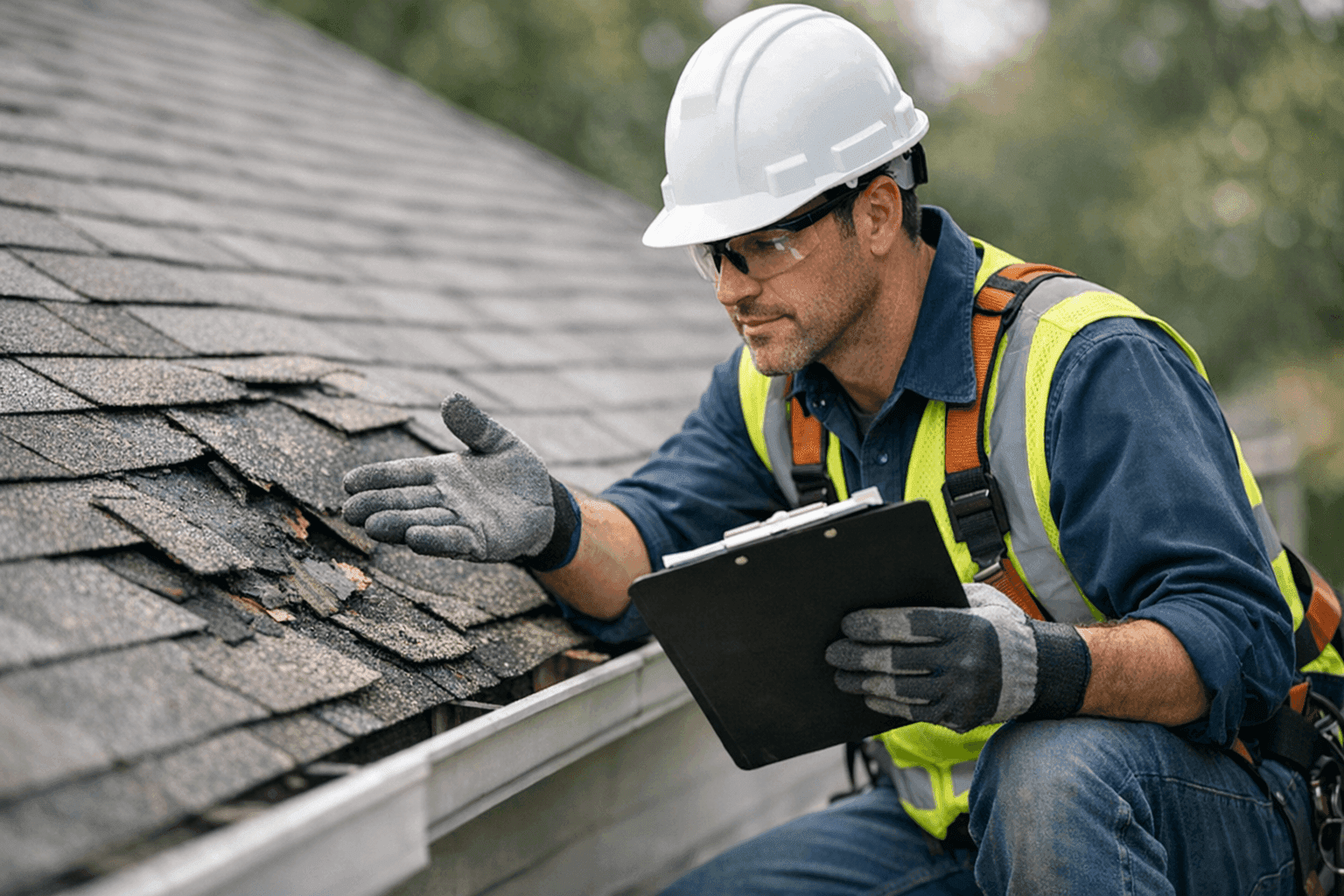
Have you stared up at your ceiling after a storm and wondered, “Is it time for a new roof, or can this be fixed?” You’re not alone. At Overhead Roofing, we’ve guided countless homeowners through the same crossroads—balancing practicality, cost, and peace of mind.
When your roof’s integrity is in question, the answer isn’t always obvious. Let’s walk through the key factors that make the decision clear, so you can protect your home and budget.
When Is Repair Enough? 🛠️
Think of your roof like a winter coat. If there’s a small tear in the sleeve, you patch it up and keep going. The same goes for minor roofing issues. Here’s when repairs usually make sense:
- Small leaks or isolated damage: Maybe a few shingles have blown off, or there’s a tiny leak around a vent. If the damage is limited, a targeted repair can restore your roof’s function.
- Recent storm impact: Hail, wind, or debris can cause visible but localized problems—think cracked tiles or dented flashing.
- Younger roofs: If your roof is less than halfway through its expected lifespan, repairing is typically a reasonable investment.
- Healthy structure: If the decking and structure below are sound, surface-level repairs are often sufficient.
Tip: Schedule regular roof inspections to catch small problems before they grow. The National Roofing Contractors Association (NRCA) recommends at least two inspections a year.
When Is Replacement Necessary? 🔄
Sometimes, patching up is like taping over a cracked windshield—it just doesn’t hold. Full replacement is usually the best route when:
- Widespread damage: More than 30% of your roof is affected, or there are multiple leaks and missing shingles across different areas.
- Old age: Most asphalt shingle roofs last 20–25 years, tile and metal can last longer. If your roof is nearing its lifespan, repairs may not hold up.
- Extensive moss, rot, or mold: These signal deeper issues, possibly in the decking or insulation.
- Sagging or structural weakness: If you notice dips, sagging, or a spongy feel when walking (if safe), the framing may be compromised.
- Chronic leaks: Recurring water issues often mean underlying problems that repairs can’t solve.
Pro tip: If you’re planning major home renovations or solar panel installations, it may be smart to replace your roof first.
Cost and Longevity Considerations
Let’s get real about the numbers. Repairing is almost always less expensive upfront than replacing—sometimes dramatically so. But, like patching a tire, repeated repairs add up.
What goes into costs?
- Materials: Tile Roofing near you, metal, and asphalt all have different price points and lifespans.
- Labor: Repairs are usually faster and less labor-intensive.
- Scope: A single vent seal vs. full tear-off changes everything.
Consider this: If you’re spending more than a third of the cost of a new roof on repairs—and your roof is older—it may be time to replace.
Longevity math: New roofs offer warranties and start the “age clock” over. Repairs can extend life, but only if the underlying structure is sound.
How a Pro Evaluates the Best Option 🕵️
At Overhead Roofing, our process is thorough, not rushed. Here’s how a seasoned roofing contractor approaches the decision:
- Visual Inspection: From above and below—looking for missing shingles, soft spots, rusted flashing, or water stains.
- Structural Check: Assessing decking, attic, and support beams for moisture, rot, or sagging.
- Leak Tracing: Using moisture meters and infrared cameras (per NRCA standards) to track hidden water.
- Material Assessment: Checking for brittle, curling, or granule-lost shingles; cracked tiles; or corroded metal.
- Ventilation & Insulation: Ensuring your attic breathes—poor airflow leads to faster roof failure.
We weigh your roof’s age, condition, and your future plans. Our goal? Honest guidance, so you get the most value for your investment.
Quick Safety Checklist Before You Decide
- Stay grounded—avoid climbing onto your roof if you’re not trained or equipped.
- Look for stains, peeling paint, or water marks inside your attic.
- Check gutters and downspouts for granules or shingle debris.
- After storms, inspect your yard for fallen tiles or metal pieces.
Safety first: The Occupational Safety and Health Administration (OSHA) recommends always using proper fall protection and safety gear.
DIY vs. Call a Pro
You might be handy, but roofing is a different animal. Simple gutter cleaning? Go for it. Shingle replacement or anything involving heights, complex angles, or electrical? That’s when a professional is non-negotiable.
- DIY: Cleaning gutters, minor caulking, visible debris removal.
- Call a pro: Leak tracing, structural repairs, skylight and flashing issues, major storm damage.
What Pros Do on Arrival
Expect a thorough, methodical approach:
- Exterior and attic inspection
- Photo documentation
- Moisture testing
- Written recommendations
Pros don’t just spot-treat; they consider your home’s broader needs, code compliance, and future weather risks.
Prevention & Maintenance Tips
- Clean gutters and downspouts at least twice a year.
- Trim overhanging branches; they’re a major cause of shingle and tile damage.
- Schedule biannual inspections to catch issues early.
- Address moss and algae promptly—these can trap moisture and speed up decay.
When It’s an Emergency 🚨
If there’s active water pouring in, visible holes, or major storm damage, act fast. Cover the area with a tarp if safe, and call for emergency roof repair right away.
Remember: Quick action can limit damage to your ceilings, walls, and belongings.
FAQ: Common Roof Repair & Replacement Questions
How long does a repair last?
Depends on the material, method, and age of your roof. Quality repairs can last years—if the structure beneath is sound.
Will insurance cover it?
Often, storm or accidental damage is covered. Wear and tear usually isn’t. Check your policy and document everything.
Is it normal for repairs to look a bit different?
Yes, especially if your roof is older and the original materials aren’t available. Over time, repairs weather in.
Can I stay home during replacement?
Usually, yes, but expect noise and some disruption.
Seasonal Considerations
- Winter: Ice dams can trigger leaks. Check insulation and clear gutters.
- Spring: Great time for inspections—catch winter damage early.
- Summer: Heat accelerates shingle aging; watch for curling or cracking.
- Fall: Falling leaves clog gutters and downspouts; keep them clear.
Timeline & Disruption
- Repairs: Often done in a day.
- Replacement: Most residential roofs take 1–3 days, weather permitting.
- Noise: Expect hammering, scraping, and some vibration. Remove fragile items from walls or shelves.
Materials & Eco-Friendly Options
Today’s roofing offers more choices than ever:
- Asphalt shingles: Affordable, versatile, and popular.
- Tile Roofing near you: Durable, weather-resistant, and classic.
- Metal roofing: Long-lasting, fire-resistant, and increasingly stylish.
- Eco-friendly options: Cool roofing, recycled shingles, and energy-efficient insulation reduce your home’s footprint.
Common Mistakes to Avoid
- Ignoring small leaks—they rarely fix themselves.
- Repeated patching on a roof at the end of its life.
- Skipping regular cleanings and inspections.
- Hiring uninsured or unlicensed workers.
Real-World Scenario: A Homeowner’s Dilemma
Imagine this: You’ve owned your home for 18 years. After a heavy rain, you spot a ceiling stain. An inspection reveals several missing shingles, but the decking is still solid. In this case, a timely repair could add years to your roof’s life. But if the inspector finds rot beneath those shingles, it’s time for a bigger conversation.
Why a Local Roofing Company Matters
Choosing a trusted roofing company means you get advice tailored to your climate, local building codes, and seasonal weather. If you’re looking for reliable roofing services, experience and integrity matter most.
Final Thought: Your Roof, Your Choice
No two roofs—or homeowners—are the same. The best decision balances safety, cost, and your long-term plans. Whether you need a quick roof repair, a full roof replacement, or just a second opinion, Overhead Roofing is here to help.
Call Overhead Roofing now — or reach us anytime at 855-554-4704 .