Roof Inspections When Buying or Selling Your Home
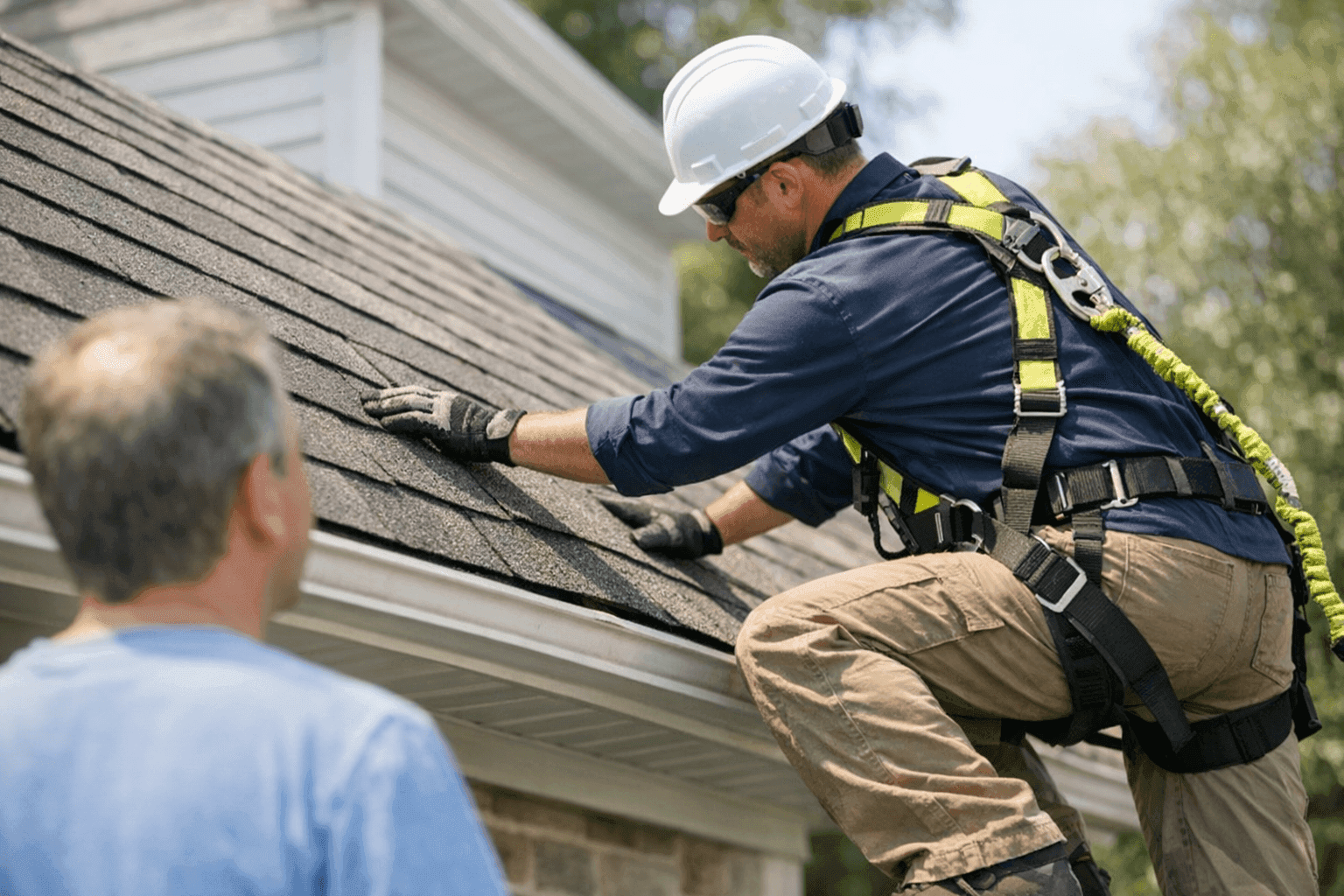
If you’re buying or selling a home, the roof is more than just shingles and tiles overhead. It’s the shield that keeps everything safe. A roof can be a deal maker—or breaker.
At Overhead Roofing, we’ve walked alongside families as they navigate these big decisions. We know every roof tells a story. Let’s make sure yours is a good one.
Why Roof Inspections Matter in Real Estate 🏠
A roof inspection isn’t just a box to check. It can tip the scales on offers, negotiations, and even the final sale price. Buyers want peace of mind. Sellers want to avoid last-minute surprises that stall closing.
Think of a roof inspection like checking the brakes before buying a used car. It’s not flashy, but it’s essential. According to the International Association of Certified Home Inspectors (InterNACHI), roofing issues are among the top reasons real estate deals fall through.
A professional inspection gives both sides clarity. It’s not about scaring anyone. It’s about understanding what you’re working with—before it becomes an emergency.
What Inspectors Look For
Roof inspectors have a sharp eye. They’re trained to spot small details that could become big headaches. Here’s what’s on their checklist:
- Missing, cracked, or curling shingles
- Damaged or loose tiles (especially with Tile Roofing near you)
- Sagging areas, dips, or uneven rooflines
- Signs of water intrusion or leaks (stains, mold, soft spots)
- Rusted, loose, or missing flashing around chimneys and skylights
- Condition of gutters, downspouts, and roof vents
- Proper deck support and insulation
- Age and overall wear of roofing materials
They’ll also check for code compliance and safety, referencing guidelines from the National Roofing Contractors Association (NRCA) and local building codes.
Red Flags for Buyers and Sellers 🚩
During a real estate transaction, certain roof issues can raise eyebrows—or red flags:
- Active leaks or ceiling stains: These can hint at hidden water damage.
- Moss or algae growth: Not just unsightly. It can signal trapped moisture.
- Pooling water on flat roofs: A warning sign for future leaks or structural issues.
- Improper flashing: Bad seals around chimneys or skylights can lead to costly repairs.
- Missing or damaged shingles/tiles: Even a small patch can mean deeper issues underneath.
If you see any of these, don’t panic. But don’t ignore them either. The sooner you know, the better you can plan.
How to Use Inspection Results
Inspection reports are tools, not verdicts. Here’s how you can use them to your advantage:
- Buyers: Use the findings to negotiate repairs or adjust your offer. If a major repair like a roof replacement is needed, you might ask the seller to cover part of the cost or lower the price.
- Sellers: Address minor issues before listing. For bigger repairs, be upfront. It builds trust and can keep your deal on track.
- Both parties: Lean on the report for transparency. It’s a roadmap for what happens next—not a list of demands.
Quick Safety Checklist for Homeowners
Before the inspector arrives, you can do a quick walkaround. Look for:
- Debris in gutters or downspouts
- Obvious missing shingles or tiles
- Overhanging branches or heavy buildup
- Loose flashing on chimneys, skylights, or vents
Don’t climb up yourself if you’re not comfortable—leave the heights to the pros.
DIY vs. Call a Pro
Some things you can spot from the ground. But a thorough inspection is more than a quick glance. Roofers are trained to notice what most folks miss. They know how to walk a roof safely, test for soft spots, and see beneath the surface.
For a complete inspection, especially when money and negotiations are on the line, it’s smart to call a roofing specialist. Your investment is worth it.
What Pros Do On Arrival
When Overhead Roofing visits, here’s what you can expect:
- Review of the roof’s age, material, and installation method
- Detailed look at flashing, vents, skylights, and chimneys
- Inspection of gutters and downspouts for blockages or leaks
- Attic and insulation check, if accessible
- Photos and notes that document any trouble spots
We’ll walk you through the findings in plain English. No jargon. No scare tactics.
Prevention & Maintenance: Stay Ahead of Surprises
Regular maintenance is like oil changes for your car. It keeps the roof strong and extends its life. Clean gutters, trim branches, and look out for missing shingles after storms.
Scheduling roof inspections every couple of years—or after major storms—can catch problems early. This is especially helpful if you’re thinking of selling in the next few years.
Costs & Time Factors
A typical roof inspection takes 45–90 minutes, depending on size and complexity. Costs vary by region and roof type. Repairs, if needed, will add time and expense.
Replacing a few shingles? That’s a quick fix. A roof repair for a small leak might take a morning. Full replacements or structural fixes require more planning—and a bigger budget.
When It’s an Emergency
Sometimes issues can’t wait. If you notice water dripping during a showing or after a storm, call for emergency services. Fast action limits damage and protects your investment.
Seasonal Considerations 🍂
Roof problems don’t care about the calendar, but your inspection timing should. Spring and fall are ideal. After winter’s ice and before summer’s heat, inspectors can spot seasonal damage and prep your roof for what’s next.
Common Mistakes to Avoid
- Ignoring minor issues, hoping they’ll go away
- Attempting DIY repairs without proper safety or materials
- Skipping a roof inspection to save money
- Accepting a “drive-by” inspection—roofers need to get up close
Signs of Trouble: What Not to Overlook
- Granules from asphalt shingles piling up in gutters
- Curling or blistering shingle edges
- Water stains on ceilings or in the attic
- Daylight visible through roof boards
- Unusual odors (mold or mildew)
These clues often mean it’s time to call in help.
Timeline & Disruption: What to Expect
Most inspections are minimally disruptive. For repairs, your daily routine might shift for a day or two. Full roof replacements take longer, but clear communication and scheduling can keep life moving smoothly.
Materials & Equipment Used
Inspectors use simple but effective tools:
- Ladders and harnesses for safe access
- Flashlights, moisture meters, and cameras
- Chalk or markers to note problem areas
- Drones, sometimes, for hard-to-reach spots
No matter the tool, the goal is the same: a thorough, honest assessment.
FAQ: Roof Inspections and Real Estate
Q: Is a roof inspection required to buy or sell a home?
A: Not always—but it’s highly recommended. Many lenders and insurance companies will ask for documentation.
Q: Will insurance cover roof repairs?
A: Often, but it depends on the cause and your policy. Insurers like to see regular maintenance and inspections.
Q: How long does a typical roof last?
A: Asphalt shingles: 15–30 years. Tile and metal: even longer. But storms and time can shorten that window.
Local Know-How: Ridgefield Homeowners
If you’re looking for a roofing company that knows what matters to Ridgefield families, we’re here to help. Every neighborhood has unique needs—let’s make your sale or purchase smooth from start to finish.
A roof inspection is more than a checklist. It’s your guide to a confident real estate transaction. Whether you’re buying, selling, or just curious about the state of your home, Overhead Roofing is by your side.
Call Overhead Roofing now — or reach us anytime at 855-554-4704 .