Roof Hail Damage: What to Look For and What to Do Next
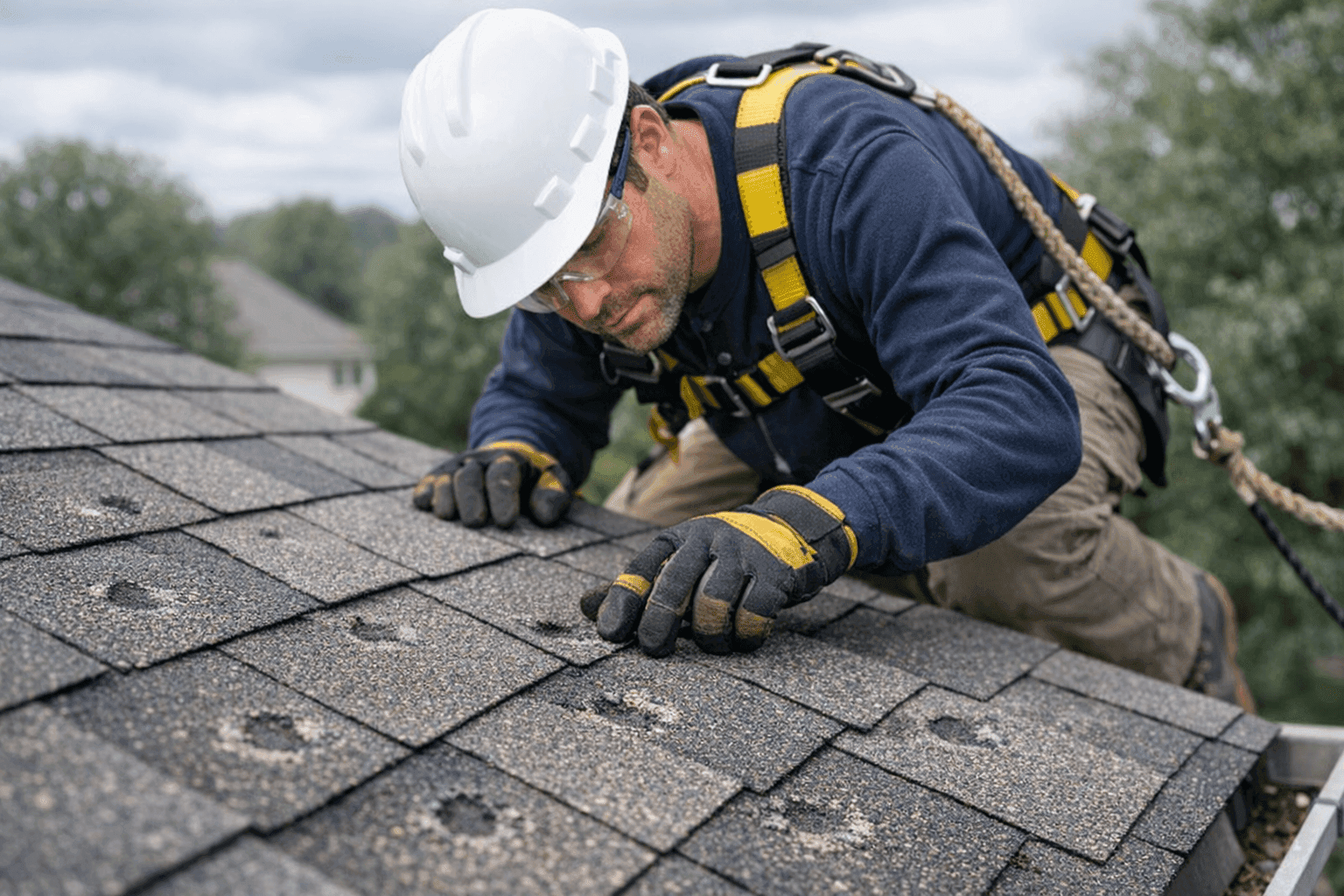
It’s a sound you know all too well: hailstones drumming the roof, rattling windows, and raising your anxiety. Once the storm passes, you can’t help but wonder—has your roof taken a beating? If you’re like most homeowners, you want answers fast and a clear plan for what to do next.
At Overhead Roofing, we understand how overwhelming storm aftermath can feel. You want to protect your home, your investment, and your peace of mind. Let’s walk through what hail does to your roof, how to spot the warning signs, and the best steps to take—without panic, just practical action.
How Hail Damages Roofs 🧊
Hail doesn’t discriminate. Whether your roof is shingle, tile, metal, or flat, those icy missiles can cause both visible and hidden trouble. Hailstones vary in size—from pea-sized to golf balls—and their impact depends on wind speed, roof age, and materials.
Imagine your roof as a shield. Over time, it weathers storms, sun, and rain. But when hail strikes, it can bruise shingles, crack tiles, dent metal, shatter skylights, and loosen critical flashing. Some damage is obvious. Other times, the harm lurks beneath the surface, quietly opening the door for leaks down the road.
Even small hail can loosen the protective granules on asphalt shingles, making them more vulnerable to weather and shortening their lifespan. Larger hail can puncture, split, or dislodge materials entirely.
Signs of Hail Damage (Shingles, Gutters, Flashing)
How do you know if your roof took a hit? Here’s what to look for after a storm:
- Shingles: Look for dark spots, missing granules, cracked or broken edges, and circular dents. Shingle roofs often show bruising—press gently to see if they feel soft or spongy.
- Tile Roofing near you: Tiles may show cracks, chips, or even missing pieces. Pay special attention to corners and valleys.
- Metal Roofing: Dents and dings are telltale signs. Even minor indentations can compromise coatings and lead to rust.
- Gutters and Downspouts: Are they dented or bent? Check for granules collected at gutter bottoms—this means shingles are shedding their armor.
- Flashing and Skylights: Check for bent, torn, or dislodged metal. Skylights may show cracks or leaks.
- Decking and Insulation: Water stains on ceilings or walls inside your home could signal hidden leaks.
If you notice more than just cosmetic blemishes, your roof may be at risk for leaks and further deterioration.
Quick Safety Checklist After a Hailstorm
Safety comes first. Before climbing on your roof or grabbing a ladder, remember:
- Wait until the storm fully passes and it’s safe to go outside.
- Avoid walking on the roof yourself—hail can make surfaces slippery and dangerous.
- Stick to inspections from the ground where possible. Use binoculars for a closer look.
- Document any visible damage with photos. These will be valuable for insurance and repair assessments.
- Watch for downed power lines or loose debris nearby.
If you suspect structural damage, avoid the area and call for a professional inspection.
What to Do After a Hailstorm
Action in the first 24 hours can make all the difference. Here’s your post-hail checklist:
- Inspect for Obvious Damage: Walk around your home’s exterior. Look for shingle debris, broken tiles, or dented gutters.
- Check Indoors: Water stains, damp spots, or new drips on ceilings mean water has found a way inside.
- Photograph Everything: Snap clear pictures of all damage. This helps with both repair planning and insurance claims.
- Call Overhead Roofing: Our team can provide a full assessment and help prevent minor issues from spiraling into big repairs.
- Contact Your Insurance: Most homeowner’s policies cover hail damage. Gather your documentation and start the claims process promptly.
Remember, you don’t need to be an expert to spot trouble—just attentive and proactive.
DIY vs. Call a Pro: When to Get Help
There’s a world of difference between a loose shingle and a hidden roof leak. If you’re seeing widespread shingle loss, cracked tiles, or signs of interior water damage, it’s time to call for help.
Roof repairs are like surgery for your home. Small mistakes can lead to big headaches later. Overhead Roofing’s professionals know how to safely assess, diagnose, and repair hail damage, using the right materials and methods for your roof type.
If you’re ever in doubt, it’s always safer (and often cheaper in the long run) to bring in a pro.
What Pros Do On Arrival
When you contact Overhead Roofing, here’s what happens next:
- Detailed Inspection: We’ll assess the entire roofing system—shingles, flashing, gutters, skylights, and even attic spaces.
- Clear Reporting: You’ll get a summary of findings, complete with photos and recommendations.
- Temporary Protection: If your roof is actively leaking or exposed, we’ll secure it with tarps or emergency sealants to prevent further water intrusion.
- Repair Plan: We’ll explain your options, from targeted repairs to full roof replacement if needed. No surprises, just clear next steps.
Our inspections adhere to standards from organizations like the National Roofing Contractors Association (NRCA) and local building codes.
Prevention & Maintenance: Making Your Roof Hail-Resistant
While no roof can be completely hail-proof, there are ways to toughen up your home’s shield:
- Install impact-resistant shingles or tiles designed to withstand hail strikes.
- Schedule regular inspections—especially after severe weather seasons.
- Keep gutters and downspouts clear to prevent water buildup and ice dams.
- Maintain flashing, sealants, and skylights to reduce weak points.
Ask about preventative maintenance services. Regular upkeep can catch small issues before they turn into storm-sized problems.
Costs & Time Factors: What to Expect
The cost and timeline for hail damage repair depend on:
- Roof size and materials—tile, shingle, metal, or flat.
- Extent of damage—localized repairs vs. full replacement.
- Insurance coverage—most policies cover storm-related roof damage, but check your deductible and coverage limits.
Small repairs might be completed in a day, while full replacements can take several days to a week. We work efficiently to minimize disruption and keep your home protected.
When It’s an Emergency
Some hail damage can wait. Other times, you need help now:
- Active leaks: Water dripping into your home is an emergency. Immediate tarping or sealing is critical.
- Exposed decking: If hail has knocked off shingles or tiles, your roof is vulnerable.
- Structural damage: Sagging ceilings or compromised framing need fast attention.
Our emergency services are ready to respond, rain or shine.
FAQ: Hail Damage and Your Roof
Q: How soon after a storm should I check my roof?
A: As soon as it’s safe. Early detection can prevent further damage.
Q: Will my insurance cover hail damage?
A: Most policies do, but you’ll need to document the damage and file a claim. Overhead Roofing can help you navigate this process.
Q: How can I tell if my roof needs to be replaced or just repaired?
A: It depends on the age, material, and extent of damage. Our detailed inspections will give you a clear answer.
Common Mistakes Homeowners Make
- Ignoring small signs of damage. Tiny cracks can lead to big leaks.
- Delaying repairs, hoping “it’ll be fine.”
- Attempting DIY fixes without proper safety or materials.
- Forgetting to document damage for insurance.
Stay vigilant and proactive—your roof, and your wallet, will thank you.
Timeline & Disruption: Living Through Roof Repairs
Worried about mess, noise, or time without a roof? Most repairs are completed quickly, and we take care to minimize disruption. We’ll communicate each step—from inspection through clean-up—so you know what to expect.
Materials & Equipment: What Makes a Hail-Resistant Roof
Not all roofing materials are created equal when it comes to hail:
- Impact-resistant shingles (rated Class 4 by Underwriters Laboratories) hold up best.
- Clay and concrete tiles can be tough, but may crack under large hail.
- Metal roofing resists punctures but can dent.
- Single-ply flat roofs might need extra reinforcement or coatings.
We’ll recommend the best fit for your budget, climate, and long-term peace of mind.
Inspections: Your Secret Weapon
Routine roof Inspections can catch vulnerabilities early—before the next storm tests your home’s limits. Professional eyes can spot what the untrained eye misses, from subtle bruising to aging sealants.
If you’re in the area, our roofing services team is ready to help you stay ahead of the weather.
The Insurance Process—Explained (No Scare Tactics)
Dealing with insurance doesn’t have to be a headache. Here’s a simplified roadmap:
- Document every detail: Photos, notes, and dates.
- Contact your insurer promptly: Start the claim early.
- Meet with your adjuster: Share your documentation and let them inspect the damage.
- Keep records: Save all estimates, invoices, and correspondence.
We’re here to answer questions and provide the documentation you need—no pressure, just support.
Ready to Act? Here’s What to Do Next
Don’t let hail damage linger. A prompt response can save you time, money, and stress. Whether you need a quick repair, a thorough inspection, or a full storm damage restoration, Overhead Roofing is just a call away.
Call Overhead Roofing now — or reach us anytime at 855-554-4704 .