Roof Flashing Types: Which Is Best for Your Home?
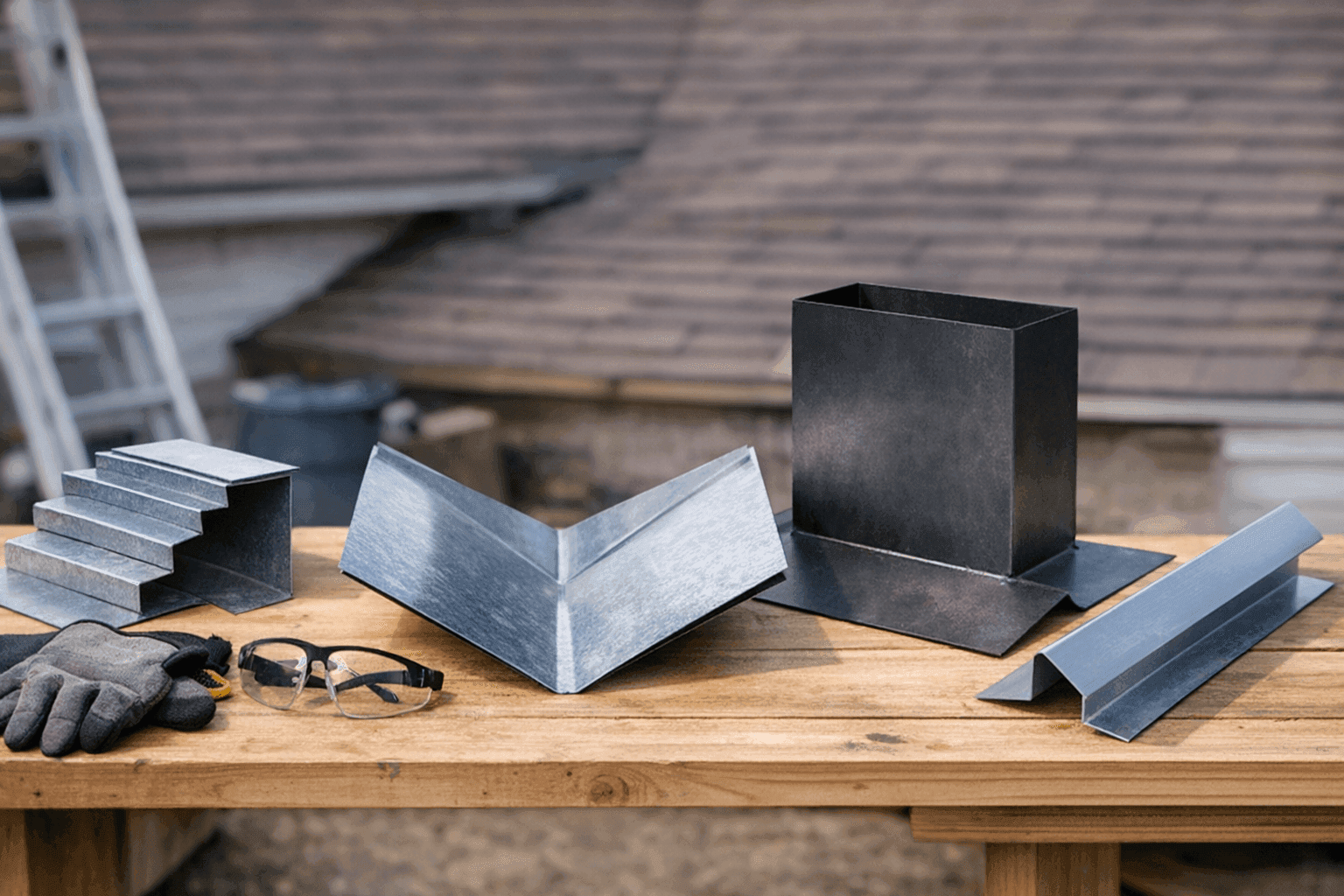
Most homeowners don’t think much about roof flashing—until water finds a way in. A tiny gap can let the rain sneak past all your careful planning, turning a cozy living room into a damp headache.
At Overhead Roofing, we know a lot rides on the small details. Quality flashing means your roof works as a shield, not a sieve. Let’s dig into what makes flashing so important, how to spot the different types, and why getting it right is key.
What Is Roof Flashing? 🛡️
Imagine your roof as a raincoat. Flashing is the tape along the seams, the part that stops water from trickling in where different surfaces meet—like chimneys, skylights, or the edge of your roof.
Flashing isn’t just one thing. It’s a system of thin metal or flexible materials, shaped and installed to guide water away from the weakest points. Without it, even the strongest roof can fail.
Main Flashing Types: Know Your Defenders
Every home is a patchwork of angles. Each joint is a potential entry point for water. Here are the main types of roof flashing you’ll spot on residential roofs:
Step Flashing
Step flashing is like overlapping shingles for your walls—small, rectangular pieces “step” up alongside a vertical surface, such as where your roof meets a wall, chimney, or dormer. Each “step” overlaps the one below, creating a waterfall effect that sends water down and out.
Valley Flashing
Where two roof planes meet, you get a valley—a natural channel for water. Valley flashing, often a wide V- or W-shaped piece of metal, lines this area. It prevents water from sneaking under the shingles and pooling where it can do the most damage.
Chimney Flashing
Chimneys are classic trouble spots. Chimney flashing is a combination of step flashing (for the sides) and saddle or cricket flashing (for the back), plus counter flashing that’s embedded into the brickwork. It’s a layered defense around all four sides.
If you’re dealing with chimney leaks, see our Chimney Flashing page for more.
Drip Edge Flashing
Drip edge flashing is the silent hero along the roof’s edge. These thin strips of metal tuck under the first row of shingles and guide water into the gutters, preventing it from wicking back under the roof.
Choosing the Right Flashing Material
Flashing isn’t “one size fits all.” The material you choose affects how long your roof stays leak-free.
- Aluminum: Lightweight, easy to shape, and rust-resistant. Great for DIY, but watch out for corrosion near treated wood.
- Galvanized Steel: Strong and affordable, with a zinc coating to fight rust. Needs regular checks for scratches or rust spots.
- Copper: The champion of longevity. Ages beautifully, resists rust, but comes with a higher price tag.
- Lead: Traditional and super malleable, but less common today due to environmental concerns.
Each has its place. For homes with tile roofing near you, copper or galvanized steel is often the go-to. For shingle or metal roofs, aluminum is common.
Choose materials compatible with your roof system and local code. The International Residential Code (IRC) and National Roofing Contractors Association (NRCA) both offer guidelines to ensure flashing meets safety standards.
Installation and Maintenance Tips 🧰
Even the best flashing will fail if installed wrong. Here’s what to keep in mind:
- Overlap Correctly: Each piece must overlap the one below—think of scales on a fish.
- Use the Right Fasteners: Nails or screws should be corrosion-resistant and not overdriven.
- Seal Joints, But Don’t Rely on Caulk Alone: Caulk is a backup, not the main line of defense. Rely on the metal’s shape and proper overlap.
- Check After Storms: High winds can loosen flashing. After a big storm, inspect for bent or missing pieces.
Professional roofers often spot subtle issues—like underdriven nails or small gaps—that can cause leaks. Not sure what you’re looking at? Our roof-flashing-repair service can help.
How to Spot Flashing Problems Early
Water stains on ceilings rarely start as a flood. Here’s what to watch for before things get serious:
- Dark streaks or spots near fireplaces or walls
- Peeling paint under rooflines
- Dripping in the attic after a storm
- Shingles curling near roof edges or valleys
If you catch these early, repairs are usually minor. Waiting can mean bigger structural damage.
DIY vs. Call a Pro: When to Get Help
Some homeowners tackle simple drip edge repairs. But for anything involving valleys, chimneys, or multiple surfaces, it’s best to call someone who eats, sleeps, and breathes roofing.
Working at heights and handling sharp flashing can be risky. And if flashing isn’t installed to code, insurance may not cover future damage.
Quick Safety Checklist
- Never work on a wet or icy roof.
- Use proper fall protection.
- Wear gloves when handling metal flashing.
- Always follow manufacturer and code guidelines.
The Occupational Safety and Health Administration (OSHA) sets standards for safe roofing work. If you’re unsure, don’t risk it.
Seasonal Considerations: When Flashing Fails Most
Winter freeze-thaw cycles and spring storms are the toughest tests for flashing. Ice dams can force water up and under the flashing. Heavy rain reveals weak spots fast.
Consider a seasonal inspection—especially if you live in an area with harsh winters or frequent storms.
How Long Does Roof Flashing Last?
With the right material and good installation, flashing can last as long as your roof—20 years or more. But tree branches, critters, or poor installation can shorten that lifespan.
If your roof is older or you’ve had repairs before, make flashing part of your annual checkup.
Flashing and Other Leak-Prone Areas
Flashing protects more than just the main roof. Skylights, vents, and deck edges also need special attention.
If you notice leaks near any of these, it’s time to look beyond the shingles. Our Leak Repair service covers all these tricky spots.
Common Mistakes That Lead to Leaks
- Skipping flashing during new roof installation
- Using the wrong type or material for your climate
- Not embedding counter flashing into brickwork
- Relying on caulk to do the job of metal
Avoid shortcuts. Proper flashing is an investment in your home’s future.
What Pros Do During an Inspection
A thorough pro will:
- Check every joint and seam for gaps or rust
- Inspect under shingles for hidden problems
- Look for signs of water entry in the attic
- Test the flashing with gentle water spray
If you’re searching for a reliable roofing company, trust the team that understands the details.
Preventative Maintenance: Small Steps, Big Results 🏠
- Clear gutters and downspouts so water flows away fast
- Trim branches that rub against the roof
- Replace cracked or missing shingles promptly
- Schedule a professional inspection every year or after big storms
These habits keep flashing working its best—and help you sleep better when the rain starts.
Costs and Timeline: What to Expect
Most flashing repairs are quick—often just a few hours for a skilled crew. Costs depend on the type, material, and how easy it is to access the problem area.
If caught early, repairs are usually affordable. Wait too long, and you might be looking at structural repairs, new decking, or even a full roof replacement.
FAQ: Roof Flashing
How often should flashing be replaced?
Whenever you replace your roof, check and update the flashing. For repairs, inspect annually and after big storms.
Can I paint my flashing?
Yes, but use paint made for metal and prep the surface first.
What’s the most durable flashing material?
Copper outlasts most, but galvanized steel is a strong, cost-effective option for many homes.
When It’s an Emergency
If you see water pouring in or daylight through your attic, cover the area with a tarp and call for emergency roofing services. Quick action can limit the damage.
When it comes to protecting your home, the small details matter most. Don’t leave your roof’s defenses to chance.
Call Overhead Roofing now — or reach us anytime at 855-554-4704 .