Roof Flashing Repair: Why It Matters for Leak Prevention
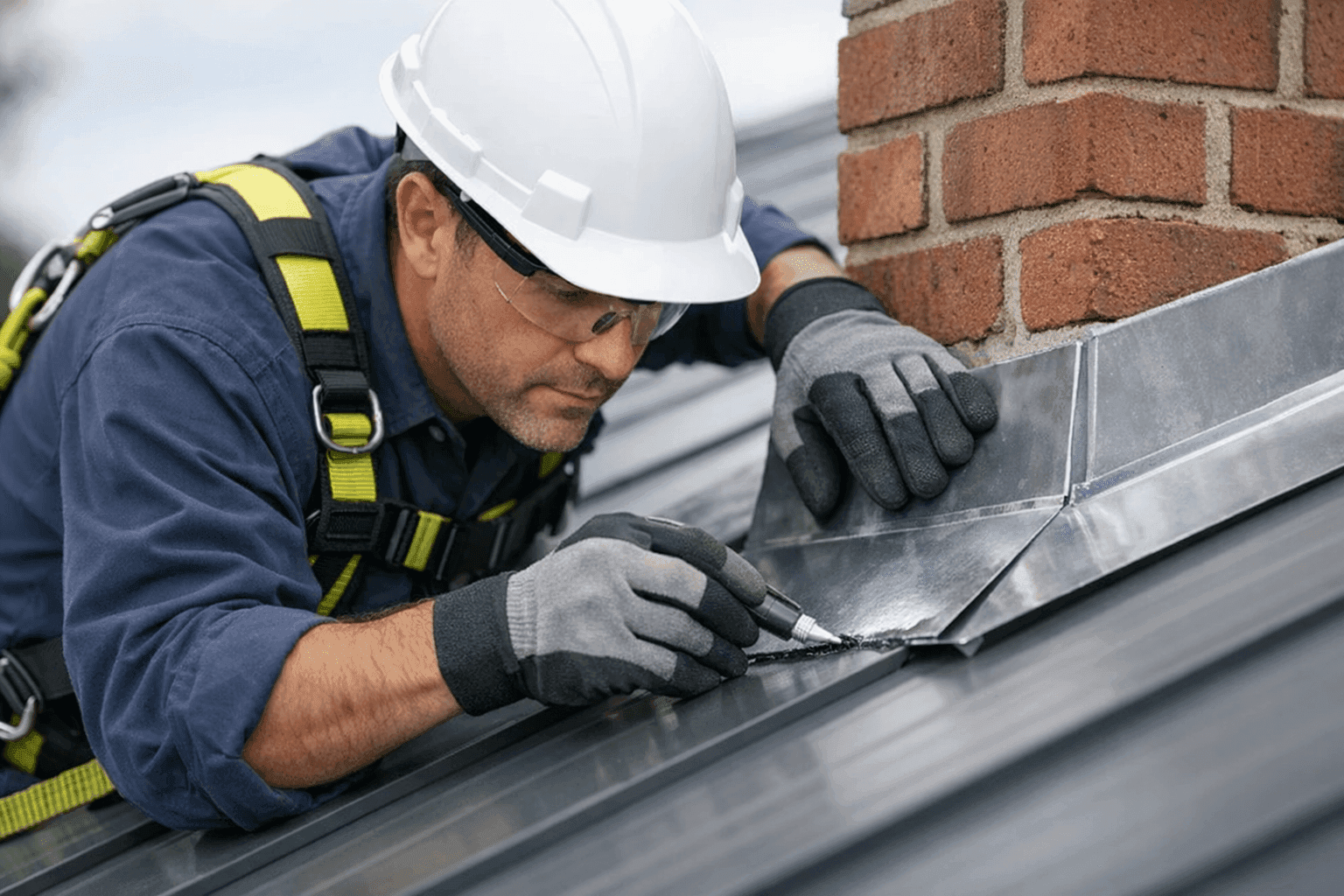
Have you ever spotted a water stain on your ceiling and felt a sinking feeling in your gut? That’s the silent warning of a roofing leak, often caused by something nearly invisible from the street—flashing failure.
At Overhead Roofing, we know your roof does more than keep the rain out. Quality flashing is a silent guardian, protecting your home’s most vulnerable joints and seams. Ignore it, and you risk mold, rot, and expensive repairs. Let’s break down why roof flashing repair is a must for leak prevention, and what you can do about it.
What Is Roof Flashing? 🏠
Think of flashing as your roof’s raincoat. It’s the thin metal or flexible material that covers joints where water could sneak in—places like chimneys, valleys, skylights, and vents. Without effective flashing, even the best roofing can unravel faster than a cheap sweater in a storm.
- Materials: Most flashing is made of aluminum, galvanized steel, or copper. Some modern eco-friendly options use rubberized membranes.
- Purpose: Direct water away from seams, edges, and penetrations—places shingles and tiles alone can’t seal.
Chimney Flashing
Chimneys are like skyscrapers for your roof—tall, exposed, and full of tricky corners. Flashing here typically comes in two parts:
- Step flashing (along the roof slope)
- Counter flashing (embedded in the chimney mortar)
If either fails, water can run right into your attic or living room.
Valley Flashing
Valleys—where two roof slopes meet—act as superhighways for rainwater. Valley flashing is a long, often W-shaped strip of metal that channels water safely down the roof. If it rusts or pulls loose, leaks are almost guaranteed.
Common Flashing Problems
Flashing ages like everything else. Even the best installation can be undone by time, weather, or a single misplaced nail.
- Corrosion: Moisture and air cause metal to rust or pit.
- Cracking or warping: Temperature swings can make flashing brittle.
- Poor installation: Gaps, wrinkles, or missing pieces leave entry points for water.
- Loose nails or fasteners: High winds can work them free, especially on older roofs.
- Sealant failure: The tar or caulk meant to seal flashing can dry out and crack.
Signs of Flashing Failure
Your roof rarely shouts for help. Instead, it whispers. Watch for these telltale signs:
- Water stains on ceilings or walls
- Peeling paint or bubbling drywall near rooflines
- Damp insulation in the attic
- Visible rust, cracks, or gaps in flashing from the ground
If you spot any of these, it’s time to act.
How Leaky Flashing Wrecks Your Roof
A tiny gap in flashing can let in gallons of water over a year. That water seeps into wood, insulation, and drywall—turning small problems into big headaches:
- Mold growth, which can harm your family’s health
- Rotted wood framing, weakening your home's structure
- Damaged insulation, spiking your energy bills
- Possible electrical hazards if water reaches wiring
It’s like leaving a window cracked open during a thunderstorm. Sooner or later, the storm gets in.
Step-by-Step: Roof Flashing Repair
Wondering what the repair process looks like? Here’s a straightforward rundown:
- Safety first: Always use proper fall protection and follow OSHA guidelines.
- Inspection: Examine every section of flashing—chimneys, valleys, vents, skylights. Check for rust, cracks, and missing sealant.
- Remove damaged flashing: Pry up old nails and carefully lift the faulty section.
- Clean area: Clear away debris, old sealant, and dirt.
- Cut new flashing: Use tin snips to size new material to the exact joint.
- Install flashing: Slide new flashing under shingles or tiles, overlapping joints for a watertight seal.
- Nail in place: Use roofing nails—never common nails—to secure.
- Seal edges: Apply roofing sealant rated for outdoor use. Smooth for even coverage.
- Test: After a rain, or with a gentle hose, check for leaks inside and out.
Tip: Never rely on caulking alone to fix flashing. Metal and proper overlap are your best friends.
Professional vs. DIY: Which Is Right For You? 🛠️
Flashing repair isn’t a paint-by-numbers task. It’s more like precision surgery for your roof.
- DIY: Suitable for minor repairs, like resealing a small gap. Only attempt if you’re comfortable with heights and have basic roofing know-how. Always wear slip-resistant shoes and use a sturdy ladder.
- Call a Pro: For anything involving valleys, chimneys, extensive rust, or if you’re unsure—call a licensed roofing company. Even one missed step can mean a return trip from that water stain.
According to the International Residential Code (IRC), improper flashing can void warranties and lead to code violations. Professionals have the training, tools, and safety gear to do the job right.
Quick Safety Checklist
Before you lift a hammer, ask yourself:
- Do I have a spotter or someone nearby?
- Is my ladder secure and on level ground?
- Am I wearing gloves, goggles, and shoes with grip?
- Is the roof dry? (Never work on wet surfaces!)
- Do I know where power lines are?
If you answer “no” to any of these, it’s best to call Overhead Roofing.
When Is It an Emergency?
A flashing leak can go from minor to urgent in one storm. If you notice:
- Active dripping or pooling water indoors
- Water reaching electrical outlets or wiring
- Sagging ceilings
Stop reading and call for emergency roofing services. Water damage spreads fast—every minute counts.
What Pros Do On Arrival
When Overhead Roofing arrives, here’s what you can expect:
- Full assessment of your roof, inside and out
- Pinpointing leak entry points with moisture meters
- Checking all types of flashing, plus nearby shingles or tiles
- Temporary waterproofing if weather won’t allow for full repair
- Written estimate and clear explanation of needed repairs
We follow local building codes and manufacturer guidelines for every material installed.
Prevention & Maintenance: Shield Your Home
Want to avoid costly flashing repairs? A little prevention goes a long way:
- Schedule annual Inspections with a qualified team
- Clean gutters and downspouts every season
- Trim branches away from the roof to reduce debris buildup
- Check attic for signs of leaks after heavy storms
- Reapply sealant every few years, especially on older homes
Materials & Equipment: What’s Needed?
Flashing repair uses specialized tools and materials:
- Tin snips, roofing hammer, pry bar
- Roofing nails or screws
- New flashing (galvanized steel, aluminum, or copper)
- High-quality roofing sealant
- Sturdy ladder and fall protection harness
Always use materials rated for your specific roof type—shingle, metal, tile roofing near you, or flat roofs.
Costs & Time Factors
Flashing repair costs depend on:
- Roof height and pitch
- Extent of damage
- Material type (copper is pricier than aluminum)
- Accessibility (chimney vs. valley)
Repairs can take anywhere from an hour for a small patch to a full day for multiple areas. Remember, fast fixes are rarely lasting fixes.
Seasonal Considerations: Weather and Wear
Winter ice dams and summer sun both punish flashing. Here’s how seasons affect your roof:
- Winter: Freeze-thaw cycles can crack sealant and warp metal.
- Spring: Heavy rains spotlight leaks you didn’t know you had.
- Summer: UV rays break down rubberized coatings.
- Fall: Falling leaves and debris trap moisture, speeding corrosion.
Aim for inspections in spring and fall for best results.
Common Mistakes Homeowners Make
- Using roof cement instead of metal flashing
- Overlapping flashing incorrectly, leaving gaps
- Ignoring small leaks (“It’s just a drip!”)
- Failing to check after a storm or roof work
- Forgetting about flashing during gutter cleaning
Remember: a $50 repair now beats a $5,000 ceiling replacement later.
FAQ: Your Flashing Repair Questions Answered
How often should flashing be inspected?
At least once a year, or after major storms.
Can flashing be reused?
Sometimes, but new flashing is always recommended for best results.
Is flashing repair covered by insurance?
It depends. Sudden damage from storms may be covered, but neglect or wear-and-tear usually isn’t. Check your policy.
Will new shingles fix a flashing leak?
No. Shingles protect surfaces, but flashing seals the edges and joints.
Flashing and Your Local Roofing Needs
Whether you have a modern metal roof or classic asphalt shingles, good flashing is the glue that holds your roofing system together. For homeowners searching for reliable roofing services, regular flashing maintenance is non-negotiable. One missed detail now can mean a major headache down the line.
The Bottom Line: Don’t Wait for the Drip
Roof flashing isn’t glamorous, and it’s easy to forget until water is running down your walls. But like a solid foundation or a sturdy lock, it’s the invisible protection that makes your home truly safe.
If you’re seeing signs of trouble—or just want the peace of mind that comes from a thorough inspection—don’t hesitate.
Call Overhead Roofing now — or reach us anytime at 855-554-4704 .