How Roof Age Affects Home Insurance and Resale Value
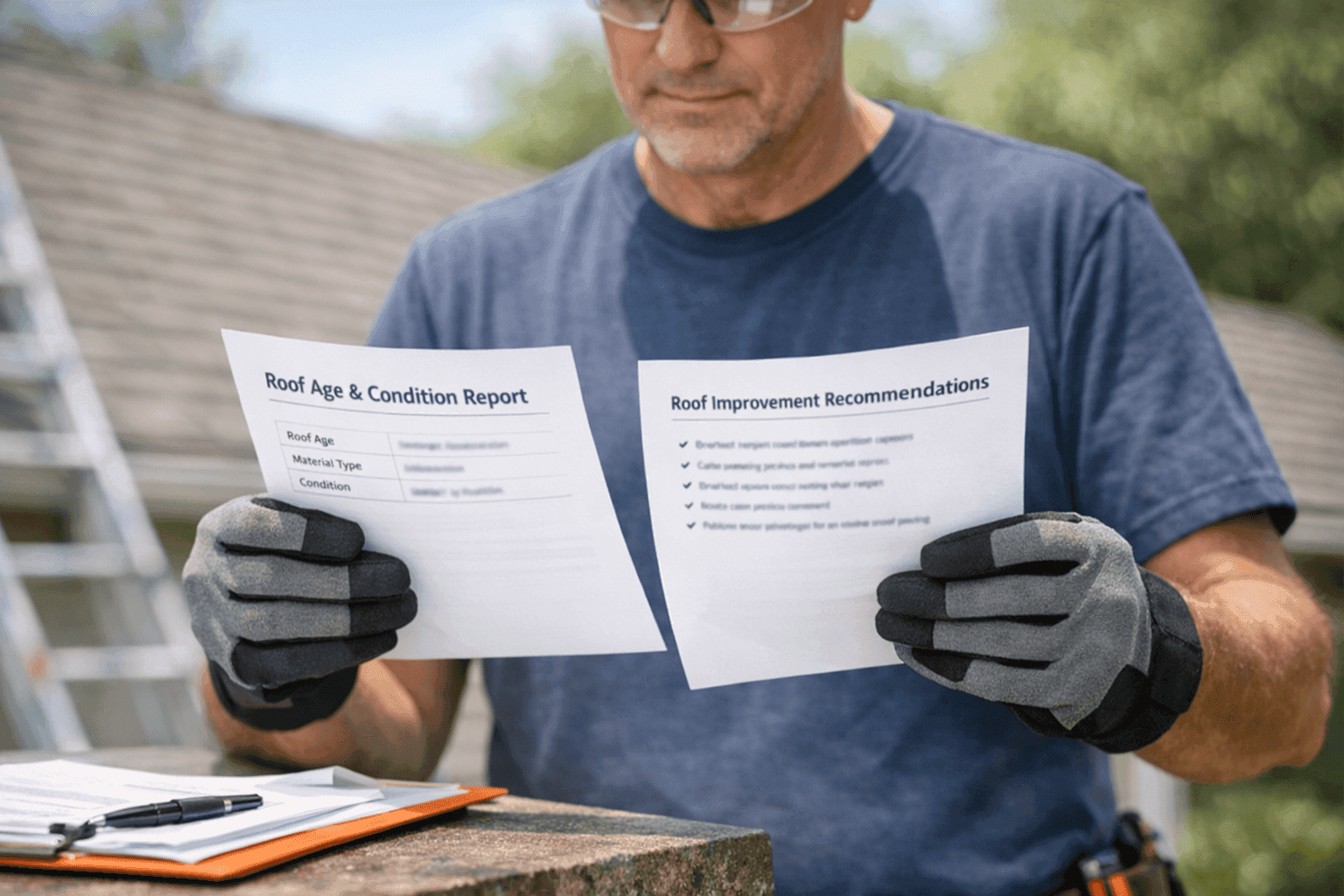
You look up and see the roof that’s sheltered your family for years. But how old is it? What does that number mean for your wallet—or your peace of mind? Most homeowners don’t realize that roof age can quietly tip the scales on home insurance rates and even future resale value.
At Overhead Roofing, we know roofs aren’t just shingles and nails. They’re protection, investment, and sometimes a negotiation chip. Let’s break down why roof age matters, and how smart choices today can pay off big tomorrow.
Why Roof Age Matters to Insurers 🏠
Insurance companies care about risk—especially from above. An aging roof is like a worn-out umbrella in a thunderstorm. The older it gets, the less confident they are that it’ll keep water out, especially when storms roll in.
- Higher premiums: Many insurers automatically raise rates on homes with roofs older than 15–20 years.
- Limited coverage: Some policies exclude damage if your roof is past a certain age, or may only cover its depreciated value.
- Inspection demands: Insurance underwriters may require professional roof inspections before renewing or starting a policy.
The National Association of Insurance Commissioners (NAIC) reports that roof condition is a primary factor in determining home insurance eligibility and rates. If you can’t prove when your roof was last replaced or repaired, expect questions—and potentially, higher bills.
How Roof Age Affects Home Value
Most buyers ask: “How old is the roof?” It’s not just curiosity. A tired roof can send them running, or at least haggling on price.
- Curb appeal: Streaks, sagging, or missing tiles can make a home seem neglected.
- Negotiating power: Buyers often request credits or lower offers if the roof looks worn.
- Appraisal impact: Appraisers adjust home value downward for roofs nearing end-of-life, according to the Appraisal Institute.
Think of your roof like a car’s tires. Even if the engine purrs, worn treads can kill a deal. That’s why many real estate agents recommend roof replacement before listing, especially if the roof is older than 20 years.
When to Repair or Replace for Better Rates
Not every old roof needs to go. Sometimes a targeted roof repair does the trick. Other times, patching is like sticking a Band-Aid on a leaky pipe.
When a repair is enough:
- Minor leaks after storms
- Isolated damage (a few broken tiles or shingles)
- Flashing or sealant issues
When replacement makes sense:
- Widespread curling or missing shingles
- Frequent leaks in multiple spots
- Age exceeds 20–25 years (check your material type for specifics)
- You’re planning to sell in the next 2–5 years
Replacing an old roof can lower insurance premiums and add thousands to your resale value. The Insurance Information Institute advises homeowners to document all repairs and replacements—it’s proof your home is a safe bet.
How to Document Roof Improvements
Don’t just fix the roof—prove it. Documentation is your best friend, whether you’re talking to insurers or buyers.
- Keep receipts: Save invoices for all repairs, replacements, or inspections.
- Photograph before and after: Clear photos show the full story.
- Get a written inspection: A certified roofing inspection from a reputable roofing company gives third-party credibility.
- Update your records: If you install energy-efficient options or reinforced materials, note those upgrades.
When insurers or appraisers ask, you’ll have answers at your fingertips.
Quick Safety Checklist for Older Roofs
Even if your roof isn’t leaking, age can hide trouble. Here’s what to look for:
- Water stains on ceilings or attic rafters
- Sagging or uneven rooflines
- Cracked, missing, or curled shingles/tiles
- Rusty or loose flashing around chimneys and vents
- Granules collecting in gutters
Spotting these early helps you act before small issues turn into insurance nightmares.
DIY vs. Call a Pro
Changing a lightbulb? Go for it. Climbing on an aging roof? That’s a different story.
- DIY checks: Binoculars from the ground, or a quick attic scan for moisture
- Call a pro: For anything involving heights, tools, or unfamiliar materials. A professional will spot hidden risks and provide documentation insurers respect.
Remember, according to OSHA, falls from roofs are a leading cause of home injuries. When in doubt, call in qualified help.
What Roofers Do on Arrival
Expect a thorough check—not just a glance. At Overhead Roofing, our team:
- Inspects tiles, shingles, and seams for wear
- Checks flashing, sealants, and gutters for leaks or clogs
- Evaluates attic ventilation and insulation
- Documents all findings with photos and notes
This full-circle approach means nothing slips through the cracks—literally.
Prevention & Maintenance Tips
A little care today prevents big headaches tomorrow.
- Schedule annual roof inspections, especially after storms
- Clean gutters each season to prevent water backup
- Trim overhanging branches to avoid debris and shade-related moss
- Replace damaged tiles or shingles promptly
- Use recommended sealants to maintain waterproof barriers
Following the National Roofing Contractors Association (NRCA) guidelines on maintenance extends roof life and protects your investment.
Costs & Time Factors
Worried about price or disruption? Here’s what to expect:
- Inspection: Usually done in a couple of hours, minimal mess
- Repair: Most minor fixes finish in a day or less
- Replacement: 2–5 days, depending on size and material
Budget for both materials and labor, and consult with your insurance agent to see if upgrades can lower your rates.
When It’s an Emergency
Storms don’t wait for business hours. If you spot:
- Sudden, active leaks
- Large sections of missing roof (after wind or hail)
- Interior water pouring in
Call for emergency services right away. Quick action protects your home and speeds up insurance claims.
FAQ: Roof Age, Insurance, and Home Value
How do I find out my roof’s age?
Check your home inspection report, permit history, or ask your roofing contractor. If in doubt, get a professional inspection.
Do all insurance companies care about roof age?
Most do, though policies vary. Always check your policy details.
Does a new roof guarantee a higher home value?
There are no guarantees, but a new or well-maintained roof makes homes more appealing and justifies higher asking prices.
Seasonal Considerations for Roof Upkeep
Snow, rain, gusty winds—each season brings its own challenges.
- Spring: Check for winter damage, clear debris.
- Summer: Watch for heat-related warping or cracking.
- Fall: Clean gutters before leaf buildup.
- Winter: Inspect attic for ice dams or condensation.
Regular upkeep helps your roof age gracefully, not hastily.
Common Mistakes Homeowners Make
- Ignoring small leaks until they become big problems
- Skipping annual inspections
- Assuming a “lifetime” roof needs no care
- Using mismatched materials for DIY repairs
Avoid these, and you’ll save money—and stress—down the road.
Signs of Trouble: Don’t Overlook
- Mold or musty smells in the attic
- Daylight peeking through roof boards
- Blistering or bubbling on flat roofs
- Stains on exterior walls
These clues often signal hidden leaks or ventilation issues.
Timeline & Disruption: What to Expect
Worried about chaos? Modern roofing moves fast.
- For inspections or minor repairs, expect minimal disruption—most homeowners don’t even need to leave.
- Replacements are more involved but typically wrap up within a week for most homes.
Communicate with your contractor about pets, kids, or special access needs.
Choosing the Right Materials for Longevity
Tile Roofing near you, metal roofs, or classic shingles—each has pros and cons.
- Tile: Long-lasting and weather-resistant, but heavier and pricier
- Metal: Durable, energy-efficient, and recyclable, but can dent
- Shingle: Affordable and easy to repair, but shorter lifespan
- Flat: Great for modern looks, but require more frequent maintenance
Discuss options with your roofer to match your needs, budget, and local climate.
Building Codes and Safety Guidelines
Always follow local building codes and manufacturer guidelines. The International Residential Code (IRC) and NRCA both offer clear rules for safe, long-lasting roof work. Permitted jobs, proper flashing, and correct underlayment aren’t just “nice to have”—they’re required for insurance and resale value.
The Local Difference
If you need a reliable roofing company in Santa Fe, our roofing services are trusted by homeowners who want their roofs to last and add value.
Taking care of your roof is more than just patching leaks. It’s about protecting your investment, lowering your insurance bills, and making your home shine for years to come.
Call Overhead Roofing now — or reach us anytime at 855-554-4704 .