Residential Flat Roofs: Pros, Cons, and Maintenance Tips
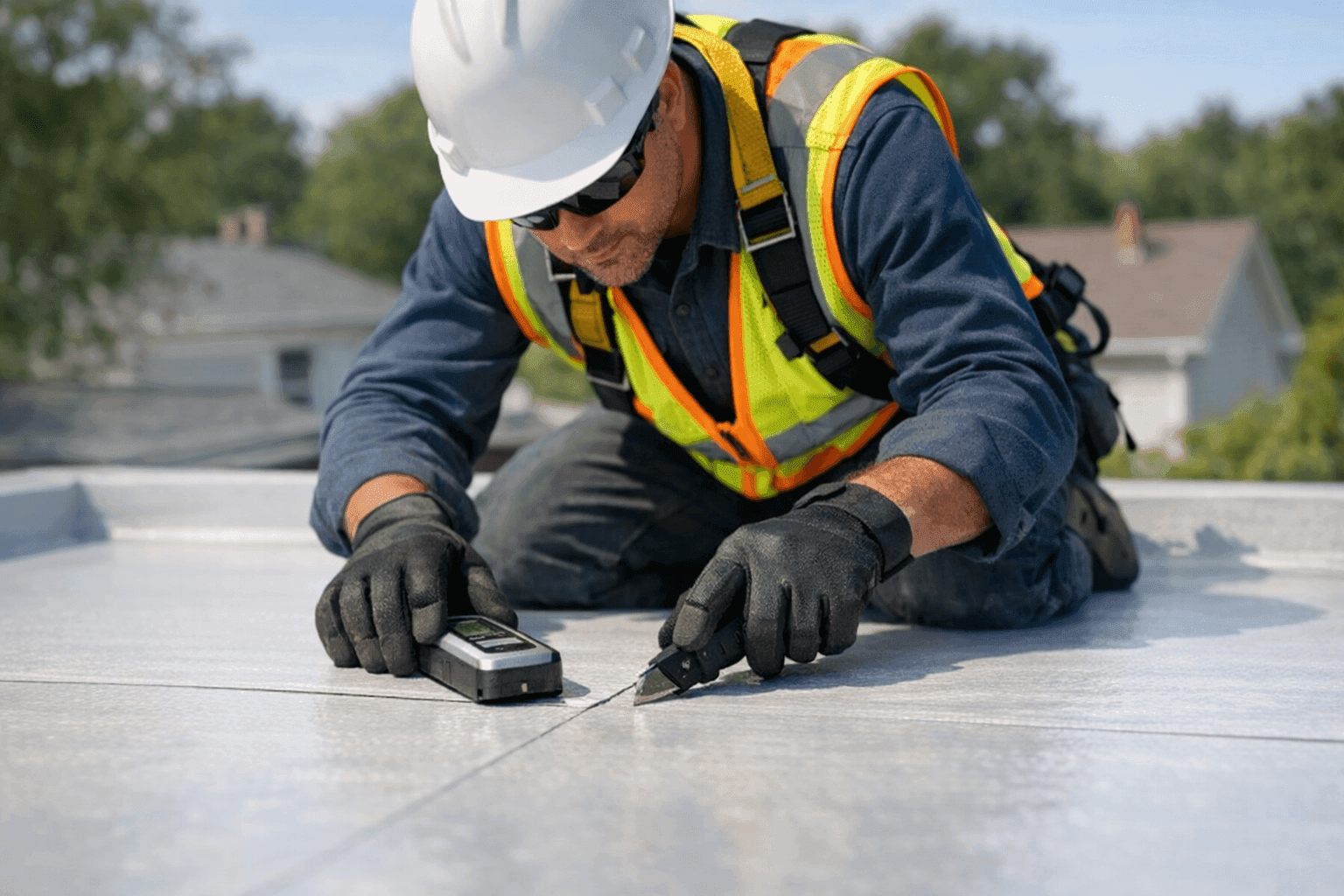
Are you weighing your options for a new roof? Maybe you’ve noticed more homes with that modern, flat-roofed look. Or perhaps your own flat roof needs some TLC. At Overhead Roofing, we've seen how the right roof choice can transform a home—and how maintenance can make or break your investment.
Flat roofs aren’t just for city skylines or commercial spaces. More homeowners are choosing them for style, space, and practicality. But they do come with unique quirks. Let’s walk through what you need to know, so you can decide if a flat roof is right for your home—and how to keep it performing year after year.
What Is a Flat Roof? 🏠
A flat roof isn’t perfectly flat. It’s built with a slight slope—think of it like a pancake with one edge lifted enough to let syrup run off. This design allows water to drain, but not as quickly as a steeper roof. Most residential flat roofs have a pitch between 1/4 to 1/2 inch per foot.
Flat roofs are common in modern homes, historic buildings, and places where extra space is a premium. They’re also the go-to for rooftop decks, gardens, and solar panels.
Flat Roof Types for Homes
Not all flat roofs are created equal. Here’s a quick look at the most popular options:
- Built-Up Roofing (BUR): Multiple layers of asphalt and felt, topped with gravel. It’s the classic “tar and gravel” roof.
- Modified Bitumen: Rubberized asphalt sheets rolled out and heated to seal. It’s flexible and durable.
- Single-Ply Membranes: Synthetic sheets like EPDM (rubber), TPO, or PVC. These are lightweight and reflect heat well.
- Spray-On Coatings: Seamless, liquid-applied layers for waterproofing; often used for repairs or as a final protective coat.
Choosing the right type depends on your budget, climate, and how you plan to use the roof. For example, if you want a rooftop garden, single-ply membranes are often the go-to because they handle plant roots and moisture well.
Pros and Cons: The Real Story
Flat roofs offer benefits that pitched roofs just can’t match—but there are trade-offs.
Pros
- Usable Space: Want a rooftop deck, garden, or a spot for solar panels? Flat roofs open up possibilities.
- Modern Curb Appeal: Clean lines and a sleek look suit contemporary homes.
- Easier Access: Cleaning gutters, inspecting the roof, or installing skylights is less intimidating.
- Cost-Effective Materials: Fewer materials and simpler framing can mean lower upfront costs.
Cons
- Leaks and Drainage: Water doesn’t run off as quickly. Standing water can seep in if the roof isn’t sealed perfectly.
- Shorter Lifespan: Flat roofs typically last 10-20 years, compared to 20-30 for pitched shingle roofs.
- Insulation Needs: Flat roofs can get hotter in summer and colder in winter, so insulation and ventilation matter.
- Maintenance: More frequent checks and upkeep are a must.
Think of your flat roof as a well-wrapped gift: strong, sleek, but only if the wrapping is tight and weatherproof.
Safety First: Quick Flat Roof Checklist
- Never walk on a wet or icy roof.
- Use a sturdy ladder and non-slip shoes.
- Don’t try DIY repairs if you’re unsure—call a pro.
- Check local building codes before making changes.
The International Residential Code (IRC) sets out requirements for roof slope, drainage, and materials—always follow these for safety and compliance.
Flat Roof Maintenance and Repair Tips 🧰
Flat roofs need more attention than their steeper cousins. Small issues can turn into big headaches if ignored.
Routine Maintenance
- Inspect after storms: Check for standing water, cracks, or debris.
- Clean gutters and downspouts: Blocked drains are a flat roof’s worst enemy.
- Look for blisters or bubbles: These can signal trapped moisture.
- Check sealants and flashing: Around skylights, chimneys, and vents, these are common leak spots.
Professional Tune-Ups
Schedule a professional inspection at least once a year. Routine visits catch small problems before they become costly. At Overhead Roofing, our team uses safe, proven methods to keep your roof in top condition. If you’re considering repairs, see our roof repair page for more info.
When to Use Sealants and Coatings
Sealants and coatings can extend your roof’s life and improve energy efficiency. Elastomeric coatings, for example, add a waterproof, sun-reflective layer. They’re especially useful if your roof sees lots of sun or minor surface cracks. For more details on this approach, visit our Sealants and Coatings service.
DIY or Call a Pro?
Some maintenance—like clearing leaves and checking for obvious damage—can be handled by homeowners. But more complex fixes, like repairing membranes or addressing leaks, should be left to seasoned roofing specialists. Flat roof repairs often require specific tools and materials. Doing it wrong can void warranties or make things worse.
Common Flat Roof Mistakes (And How to Avoid Them) ⚠️
- Ignoring Ponding Water: Even shallow puddles can lead to leaks or structural damage.
- Using the Wrong Materials: Not all sealants and membranes are suitable for every roof. Always check compatibility.
- Delaying Repairs: Small cracks become big leaks—fast.
- Overloading the Roof: Decks, gardens, or heavy equipment can stress the structure if not planned for during construction.
How Much Does a Flat Roof Cost?
Costs vary by material, roof size, and labor. Generally, flat roofs are less expensive to install than pitched roofs, but may need more frequent repairs. According to the National Roofing Contractors Association, prices for single-ply membranes or modified bitumen are competitive with shingle options—but factor in the cost of regular upkeep.
Flat Roofs and Home Value
Flat roofs can boost curb appeal, especially for modern homes. They may also add usable outdoor space. However, buyers may be wary if they sense poor maintenance or water issues. Proper care and good documentation are key to preserving your home’s value.
Seasonal Considerations
- Spring: Inspect for winter damage, clean drains, and check flashing.
- Summer: Look for UV damage or blisters in membranes.
- Fall: Remove leaves and debris before the rainy season.
- Winter: Watch for snow buildup and ice dams if you’re in a colder climate.
Signs of Trouble: When to Act Fast
- Dripping or stains on ceilings or walls
- Soft spots or sagging areas
- Visible cracks, splits, or bubbling
- Water pooling after rain
If you spot any of these, prompt action can prevent further damage.
Emergency Flat Roof Repairs
Storms can turn a minor issue into an emergency. If you notice sudden leaks, interior water damage, or structural changes, it’s time to call for emergency roofing services. Quick, professional intervention can protect your home and belongings.
How Long Does Flat Roof Work Take?
- Inspection: 1-2 hours
- Minor repairs: Half a day
- Full replacement: 1-3 days, depending on size and weather
Expect some disruption, but a well-planned job minimizes mess and downtime.
Flat Roofs and Energy Efficiency 🌞
Flat roofs can be made energy-efficient with the right insulation and reflective coatings. The U.S. Department of Energy recommends “cool roof” systems that bounce sunlight and reduce cooling bills. Proper insulation underneath also keeps your home comfortable year-round.
Building Codes and Flat Roofs
Always check local regulations before installing or modifying a flat roof. Codes cover minimum slope, drainage requirements, fire ratings, and permitted materials. The International Residential Code and your local building department are good starting points.
Flat Roofs in Your Area
Flat roofs are gaining popularity in many communities—urban and suburban alike. If you’re looking for roofing services that understand the local climate and building codes, Overhead Roofing is here to help.
A flat roof can bring style, space, and function to your home—but it also needs attentive care. Whether you’re planning a new installation or need reliable maintenance, Overhead Roofing is ready to help.
Call Overhead Roofing now — or reach us anytime at 855-554-4704 .