Should You Repair or Replace Old Skylights?
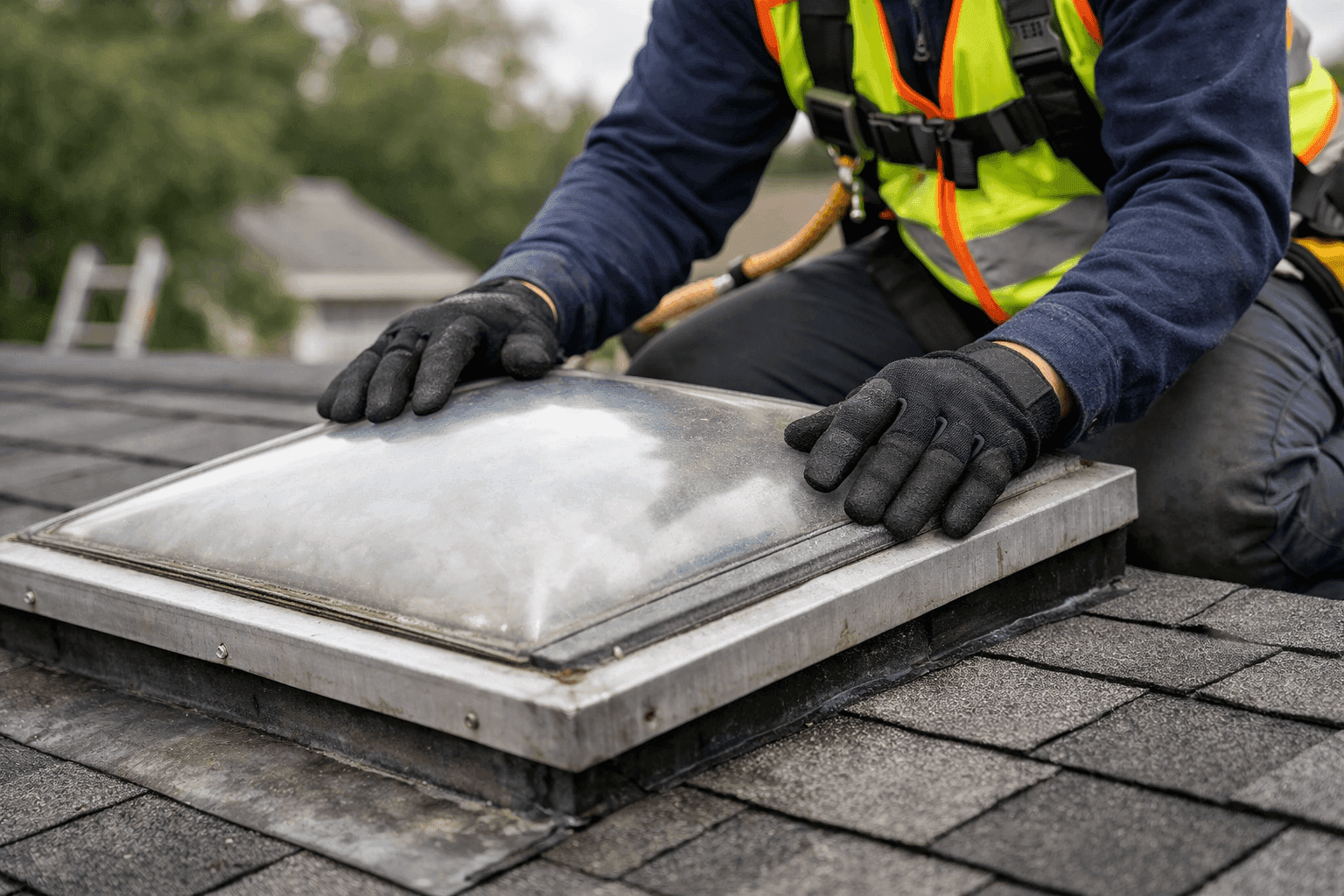
Is your skylight showing its age? Maybe you’ve spotted mysterious drips after a storm, or noticed that once-clear glass is now fogged like a bathroom mirror. Skylights bring natural light and fresh air, but they don’t last forever. Knowing when to act—and what to do next—saves you time, money, and stress.
At Overhead Roofing, we help homeowners navigate these choices every day. Let’s shed light on when to repair, when to replace, and how to keep your home safe and bright.
Signs Your Skylight Needs Attention
A skylight should be a portal for sunshine, not headaches. Watch for these common signals that your skylight needs a closer look:
- Leaks and water stains: Spots on your ceiling or walls near the skylight often signal a failing seal or cracked glass.
- Condensation or fogging: Persistent cloudiness inside the panes points to a broken thermal seal.
- Cracked, chipped, or loose glass: Even small gaps let in water and pests.
- Drafts: Feeling a breeze where there shouldn’t be one? That’s a sign your skylight is no longer airtight.
- Rusty or deteriorated flashing: Flashing protects the joint between your skylight and roof. If it’s corroded, leaks aren’t far behind.
If you notice any of these, don’t ignore them. Skylight issues rarely fix themselves—and small problems can become big ones in a single rainy week. 🌧️
When to Repair vs Replace
Not every skylight problem means total replacement. Sometimes a simple fix is enough. Other times, repairs are just a temporary bandage.
When Repair Makes Sense
- The glass is intact, but the seal or flashing is compromised.
- The frame is in good shape with minor leaks around the perimeter.
- You’re dealing with small hardware issues like a stuck latch or missing screws.
A skilled technician can often reseal or re-flash the unit, stopping leaks and drafts in their tracks. Learn more about our skylight repair process.
When Replacement Is the Better Bet
- The skylight is over 20 years old and showing multiple issues.
- The glass is cracked, fogged, or broken.
- There are repeated leaks despite past repairs.
- You want to upgrade to modern, energy-efficient models.
Much like a worn-out pair of shoes, sometimes patching just isn’t worth it. New skylights offer better insulation, UV protection, and peace of mind.
Cost, Energy, and Leak Considerations
Budget matters. But so do long-term savings and comfort.
Repair Costs
- Usually less expensive than full replacement.
- Average repair for a basic leak or seal issue: $300–$600.
- Complex fixes (like replacing flashing or hardware): can run higher.
Replacement Costs
- Full replacement can range from $800 for standard models to $2,500+ for custom or vented units.
- Factor in the cost of new flashing, potential roof patching, and possible drywall repairs.
Energy Efficiency
Older skylights often leak cooled or heated air, spiking your utility bills. New models, especially ENERGY STAR® certified, cut those losses with better insulation and coatings.
Leaks and Hidden Damage
A leaking skylight can damage insulation, drywall, and even structural wood. According to the International Association of Certified Home Inspectors (InterNACHI), prompt repairs limit the risk of mold and costly repairs down the road.
Choosing the Right Skylight for Your Home
Not all skylights are created equal. Choosing the right one means thinking beyond the sticker price.
- Fixed vs. vented: Fixed skylights don’t open, so they’re leak-resistant. Vented models let in fresh air but have more moving parts.
- Glass vs. plastic: Glass is clearer and more durable. Plastic (acrylic or polycarbonate) is lighter but scratches easier.
- UV coatings: Help protect your floors and furniture from fading.
- Impact rating: In storm-prone areas, choose models that can handle hail and debris.
Our skylight installation team can help you weigh these factors and match the right style to your home’s roof—whether you have shingle, tile, or metal roofing near you.
Quick Safety Checklist Before You DIY
Tempted to climb up and check things out yourself? Safety first:
- Never walk directly on a skylight.
- Use a sturdy, well-placed ladder.
- Wear grippy shoes and avoid working in wet conditions.
- Always have a spotter.
If you’re unsure, it’s safest to call a professional.
What Pros Do On Arrival
When you call Overhead Roofing, here’s what you can expect from a skylight inspection:
- Careful check of glass, frame, and flashing.
- Water test to spot hidden leaks.
- Assessment of roof deck for underlying damage.
- Honest advice on whether repair or replacement is the better fit.
We follow current building codes and OSHA safety guidelines to keep your home—and our crew—safe.
Prevention & Maintenance Tips
A little care goes a long way. Here’s how to keep your skylight shining:
- Clear leaves and debris from the roof and around the skylight.
- Check for cracked caulking or loose flashing every spring and fall.
- Gently clean the glass with mild soap and water—no abrasives!
- Schedule professional inspections every few years, especially after major storms.🛠️
Costs & Time Factors: What to Expect
- Repairs: Usually completed in a few hours.
- Replacement: May take half a day to a full day, depending on roof type and weather.
- Disruption: Expect some noise and dust, but our crew keeps things tidy and works around your schedule.
When It’s an Emergency
If you spot active leaks during a storm or see broken glass, don’t wait. Emergency services are available to quickly secure your roof and stop water intrusion. Fast action prevents further damage to insulation, wiring, and belongings.
Seasonal Considerations for Skylight Care
- Spring: Ideal for inspections—catch winter damage before summer storms arrive.
- Summer: UV rays are strongest. If your skylight is yellowed or brittle, it’s time to upgrade.
- Fall: Clean gutters and downspouts to prevent pooling water around skylight curbs.
- Winter: Watch for ice dams—a common culprit behind leaks.
Common Mistakes Homeowners Make
- Ignoring tiny leaks or drafts—these always get worse.
- Using harsh chemicals or abrasive pads on skylight glass.
- Attempting DIY repairs without sealing materials or proper flashing.
- Forgetting to check attic insulation around the skylight for moisture or mold.
Timeline and Disruption: What’s Realistic?
No one wants a drawn-out project. Most skylight repairs are finished in one visit. Replacements may take a half day or so, depending on the complexity. Our team respects your time and home, making sure the area is safe and clean before we leave.
FAQ: Your Skylight Questions Answered
Q: How long do modern skylights last?
A: With proper maintenance, quality skylights last 20+ years.
Q: Are new skylights less likely to leak?
A: Yes—modern flashing systems and insulated glass make a big difference.
Q: Will insurance cover repair or replacement?
A: Sometimes, if the damage is storm-related. Check your policy or ask your agent.
Q: Do you handle leak repair near me?
A: Absolutely! Leak Repair is one of our specialties.
Why Overhead Roofing? The Local Perspective
Our team treats your home like our own. Whether you need Skylight Repair or want to explore new installation options, we bring decades of hands-on experience with all roof types—including shingle, tile, flat, and metal.
The Bottom Line: Repair or Replace?
If your skylight is mostly sound with a small issue, repair is faster and easier on your wallet. If it’s old, leaky, or cloudy, replacement gives you better light, energy savings, and peace of mind. Either way, prompt action beats waiting for the next downpour.
Call Overhead Roofing now — or reach us anytime at 855-554-4704 .