The Real Cost of Roof Replacement: What to Expect
Replacing your roof isn’t exactly something you plan for on a lazy Sunday. When the time comes, the price tag can feel like a gut punch. But there’s good news: with a little knowledge, you’ll know exactly what you’re paying for—and why.
At Overhead Roofing, we’ve helped countless homeowners understand the real numbers behind roof replacement. No smoke, no mirrors—just solid, honest info you can use.
Major Factors Affecting Roof Replacement Cost 🏠
No two roofs are the same. A small, simple roof with easy access costs a lot less than a sprawling, steep structure with complex angles. Here’s what really drives the price up or down.
Materials
Think of materials as the “meat and potatoes” of your roof. Basic asphalt shingles are usually the most budget-friendly. Tile and metal cost more but last longer. Flat roofs call for special membranes or coatings.
- Shingles: Affordable, widely available, and quick to install.
- Tile: Heavier, stylish, and durable but pricier.
- Metal: Energy efficient, long-lasting, and low-maintenance.
- Flat: Needs specialized products and expert installation.
Size
Bigger roofs mean more materials and labor. Roofers measure in “squares”—a 10x10 foot area. The more squares, the higher the cost.
Slope
A steeper roof is like climbing a hill. It’s harder, riskier, and takes longer. Roofers need extra safety equipment and time, which bumps up the price.
Complexity
- Multiple levels or valleys?
- Skylights or chimneys?
- Intricate shapes or architectural features?
Each twist and turn adds work. More details mean more hours and often, more skilled labor.
Labor
Labor is the backbone of any roofing project. Skilled crews cost more, but they make the difference between a roof that lasts and one that leaks. Local labor rates, experience, and insurance all play a role.
Roof Type Price Ranges
How much should you budget? Here’s a realistic look at what you might pay for roof replacement—no wild promises, just honest numbers.
- Shingle Roofing: $4,000–$12,000 for an average-size home.
- Tile Roofing near you: $12,000–$25,000, depending on tile type and roof size.
- Metal Roofing: $10,000–$30,000, based on style and complexity.
- Flat Roofs: $7,000–$15,000, with materials and drainage being big factors.
Prices can swing higher for large or complicated homes, or if local codes require special materials. Always ask for a detailed estimate.
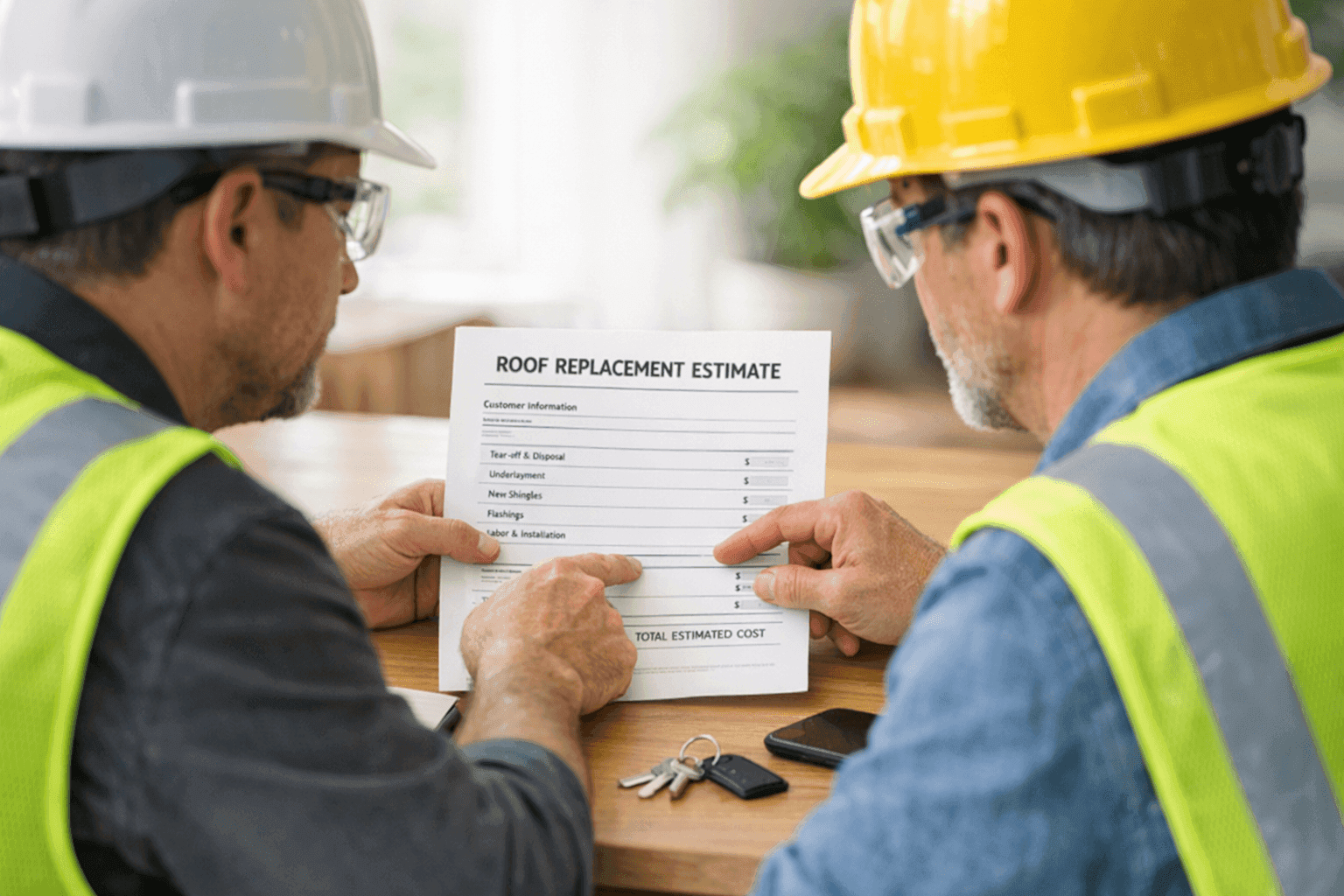
What’s Included in a Standard Quote
A good roofing quote should feel like a well-written recipe. Every ingredient listed, no surprises. Here’s what you’ll usually find:
- Tear-off and disposal of your old roof
- New underlayment for waterproofing
- Flashing for chimneys, vents, and valleys
- Shingles, tile, or metal (your chosen material)
- Fasteners and sealants
- Labor costs
- Cleanup and haul-away
Hidden Costs to Watch For ❗
Sometimes, what’s under your shingles is the real story. Here are a few costs that can creep in:
- Decking Repair: If the wood beneath is rotten or damaged, it must be replaced for safety.
- Structural Repairs: Sagging rafters or trusses need immediate attention.
- Skylight or Chimney Flashing: Older flashing may need updating for water-tightness.
- Ventilation Upgrades: Proper attic airflow can add years to your roof.
- Permit Fees: Most towns require permits; costs vary.
- Unexpected Code Updates: If your home was built decades ago, new codes might require extra work.
A thorough Inspections helps catch these early, so ask for one before you get an estimate.
Your Quick Safety Checklist
Safety isn’t just for the professionals. Before anyone sets foot on your roof, make sure:
- Electrical lines are clearly marked and out of the way.
- Pets and kids are kept indoors.
- Vehicles are parked away from the house.
- Gates and access points are unlocked.
Refer to OSHA’s roofing safety guidelines for more on what reputable crews should do.
DIY vs. Call a Pro
Replacing a roof is not a weekend warrior project. It’s the home improvement version of climbing Mount Everest. Even if you’re handy, the risks are high: falls, leaks, and code violations. For peace of mind and a job done right, call professionals—period.
What Pros Do On Arrival
Expect a detailed walk-through. We look for hidden leaks, inspect the attic, check for rotten decking, and measure every angle. This “roof health check” ensures your quote is based on facts, not guesses.
Prevention & Maintenance Tips
A new roof is a big investment. Protect it with regular checkups:
- Clean gutters twice a year.
- Trim back overhanging trees.
- Inspect after big storms.
- Schedule routine inspections.
Small fixes now prevent big headaches later.
When It’s an Emergency
Storm damage, leaks, or fallen branches? Sometimes you can’t wait. Emergency roof repairs usually cost more because of urgency, but quick action saves you from bigger bills down the road.
Frequently Asked Questions
How long does a roof replacement take?
Most residential jobs wrap up in 1–3 days, depending on size and weather.
Do I need to move out during the work?
No, but expect noise and some disruption.
Will my insurance cover roof replacement?
It depends. Storm damage or sudden events are often covered, while normal wear and tear usually isn’t. Check your policy and ask your adjuster.
Can I upgrade my roof type?
Often, yes. It may require structural changes—especially if switching to tile or metal, which are heavier.
Seasonal Considerations
Spring and fall are ideal for roof replacement. Extreme summer heat or winter cold can slow things down and make materials harder to work with. Book early—good contractors fill up fast.
Common Mistakes to Avoid
- Choosing the cheapest bid—corners get cut.
- Ignoring ventilation—can void warranties.
- Skipping the permit—can lead to fines or forced removal.
- Overlooking attic insulation—poor insulation means higher energy bills.
Signs of Trouble
It’s not always obvious when you need a new roof. Watch for:
- Curling, missing, or bald shingles
- Water stains on ceilings
- Sagging rooflines
- Granules in gutters
- Moss or algae patches
An honest roofing contractor can help you decide if it’s time for a replacement or if you can buy a few more years.
Timeline & Disruption
Most roof replacements are loud and messy—but fast. Crews start early, strip off the old roof, inspect for damage, then install new materials. Expect some debris and dust, but a reputable team will handle cleanup.
Materials & Equipment
Roofing involves more than ladders and hammers:
- Safety harnesses and toe boards
- Tear-off tools
- Pneumatic nailers
- Specialized saws for tile or metal
- Dumpsters for debris
Every tool is there for a reason—to keep your job safe and efficient.
Final Thoughts
Roof replacement is a big step, but it’s one you can take confidently with the right info. Ask questions. Get detailed quotes. Make sure you’re comparing apples to apples. At Overhead Roofing, we’re happy to walk you through every number, every time.
Call Overhead Roofing now — or reach us anytime at 855-554-4704 .