How to Protect Your Roof From Fallen Leaves and Debris
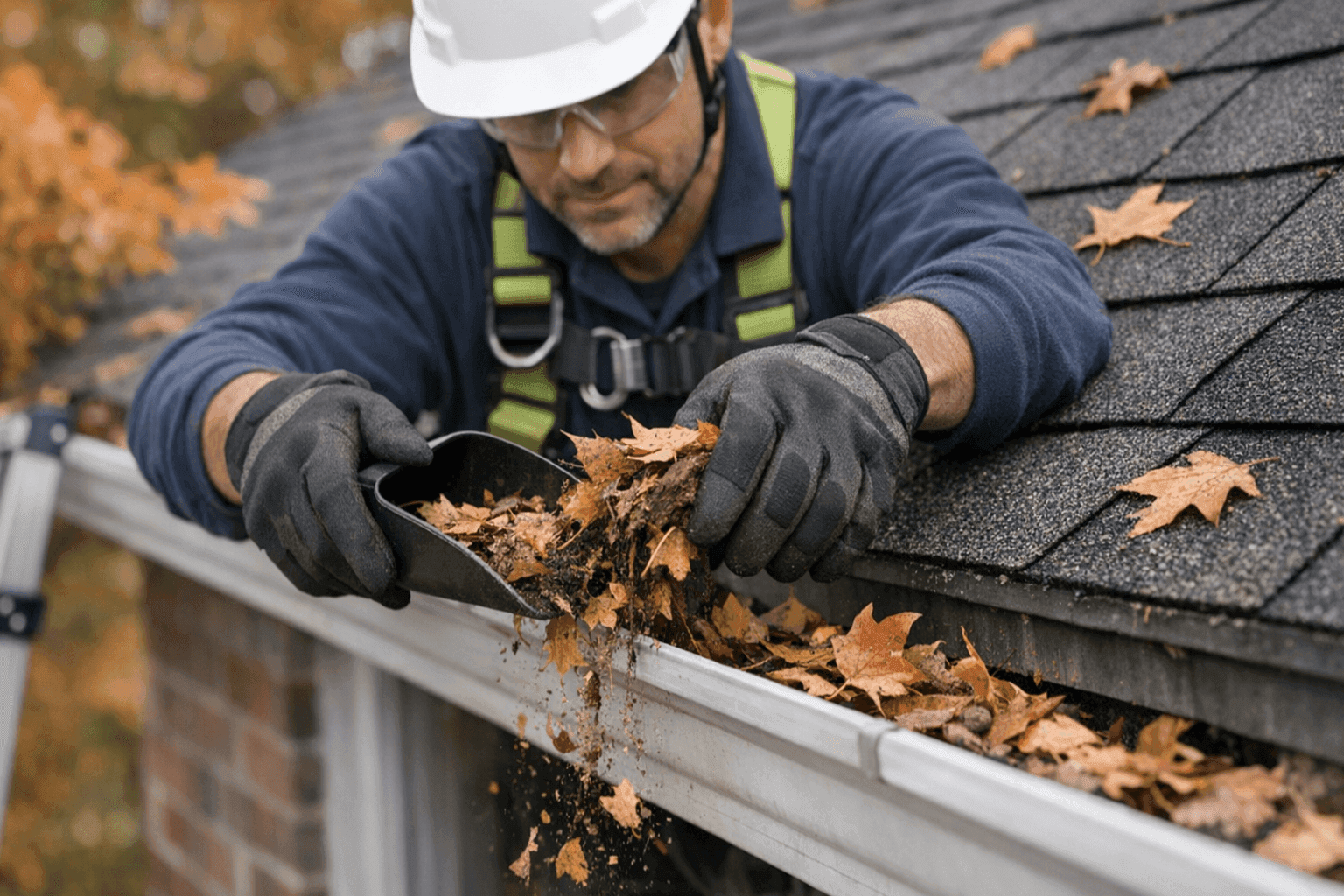
When the leaves start to fall and the wind picks up, your roof becomes the frontline defense for your home. If you’ve ever watched a thick blanket of leaves pile up after a storm, you know how fast things can get out of hand. At Overhead Roofing, we’ve seen how something as simple as leaf build-up can turn into a costly headache—fast.
Taking action now means less stress later. Whether you’re a seasoned homeowner or new to caring for your roof, understanding how to protect your roof from fallen leaves and debris will keep your home safe and dry, season after season.
Why Leaves and Debris Harm Your Roof 🍂
It’s not just an eyesore—leaves and debris can quietly chip away at your roof’s health. When leaves pile up, they trap moisture beneath them. Imagine a sponge soaking up rainwater, pressed against your shingles or tiles day after day. Over time, this creates a perfect home for mold, mildew, and even rot.
Debris also blocks your gutters and downspouts. Suddenly, rainwater has nowhere to go. Water backs up, seeps under your shingles, and can make its way into your attic or walls. Unchecked, even a small clog can lead to major leaks and structural problems.
The Real-World Risks
- Accelerated roof wear: Moisture and rot can shorten the lifespan of your roofing.
- Gutter damage: Blocked gutters can crack or pull away from your home.
- Foundation trouble: Overflowing gutters dump water near your foundation, risking erosion or basement leaks.
The National Roofing Contractors Association recommends regular inspection and cleaning to catch these issues early.
Safe Cleaning Methods
Clearing your roof and gutters can be simple—but only if you do it safely. Before you climb up, think safety first. Remember: no shortcut is worth a trip to the ER.
Safe cleaning basics:
- Use a sturdy ladder: Set on level ground, angled safely, and never lean too far.
- Wear non-slip shoes: Even a little dew can turn a roof into a skating rink.
- Work with a buddy: Someone on the ground can steady your ladder and call for help if needed.
- Avoid power lines: Always check for overhead hazards.
Cleaning Tools You’ll Need
- Leaf blower or soft-bristled broom (never use anything sharp)
- Gloves and eye protection
- Gutter scoop or plastic trowel
- Heavy-duty trash bags
If your roof is steep, high, or wet, don’t risk it. Professionals like Overhead Roofing have safety harnesses and the right gear for tricky jobs.
For comprehensive cleaning and inspection, our Gutter Cleaning service is a smart seasonal investment.
Signs of Debris Damage
How do you know if leaves and debris have already started causing problems? Look for these warning signs:
- Stained ceilings or walls: Water marks inside mean water is pooling somewhere it shouldn’t.
- Sagging gutters: Heavy debris weighs them down.
- Visible moss or algae: Green growth on your shingles is a red flag for trapped moisture.
- Loose or missing shingles/tiles: Debris can wedge under roofing materials and pry them loose.
- Overflowing gutters during rain: Water spilling over is a classic sign of blockage.
If you spot any of these, a prompt Roof Repair could prevent bigger headaches.
Preventing Future Leaf Build-Up 🦺
Prevention beats repair every time. Here’s how to keep fallen leaves from becoming a recurring problem:
Schedule Regular Cleanings
Don’t wait until you see a problem. Clean your roof and gutters at least twice a year—after the last leaves fall in autumn and again in spring. If you have overhanging trees, you may need to clean more often.
Trim Trees and Branches
Branches hanging over your roof are a highway for leaves, twigs, and even critters. Trim them back to keep your roof clear and safe from falling limbs.
Install Gutter Guards
Gutter guards or screens can block leaves from entering gutters while still allowing water to flow. They’re not foolproof, but they make clean-up much easier.
Use Preventative Maintenance
A little routine care goes a long way. Our preventative maintenance addresses trouble spots and keeps your roof in peak shape year-round.
Quick Safety Checklist
Before you get started, run through this list:
- Is your ladder stable and set up away from doors?
- Are your shoes clean and slip-resistant?
- Have you checked the weather—no rain or wind in the forecast?
- Do you have a friend or neighbor who knows you’re working at height?
- Are your tools and gloves ready?
If you’re unsure about any step, it’s best to call a professional.
DIY vs. Call a Pro
Some jobs are perfect for DIY—others are safer left to the pros. If your roof is single-story, gently sloped, and you’re comfortable with heights, you might handle basic cleaning yourself.
But if your roof is steep, high, or you notice damage, professional help is essential. Pros have the equipment and know-how to spot hidden problems before they get worse.
What Pros Do On Arrival
When Overhead Roofing visits for Gutter Cleaning or Gutter Repair, here’s what you can expect:
- Full safety check of the work area
- Careful removal of leaves, twigs, and any debris
- Inspection for loose shingles, flashing, or hidden leaks
- Test downspouts for proper water flow
- Recommendations for repairs or upgrades, if needed
We follow Occupational Safety and Health Administration (OSHA) guidelines to keep our team and your property protected.
Costs & Time Factors
The price and time for cleaning depend on your roof’s size, slope, and how much debris has piled up. Most residential cleanings take a few hours. If repairs are needed, it may take longer—but catching issues early always costs less than waiting for major damage.
When It’s an Emergency
If water is pouring over your gutters, or you hear dripping in your attic after a storm, it’s time to act fast. Blocked gutters and downspouts can cause immediate water intrusion, threatening your home’s structure.
In these cases, call for emergency Roof Repair right away.
FAQ: Fallen Leaves and Your Roof
How often should I clean my gutters?
At least twice a year, or more if you have a lot of trees nearby.
Can leaves damage a tile or metal roof?
Yes—trapped moisture can cause rot under tiles, and debris can scratch or rust metal panels.
Is it safe to use a pressure washer?
No. High-pressure washing can dislodge shingles and force water under roofing materials. Stick to soft tools.
What’s the best time of year for cleaning?
After the last leaves fall in autumn and again in spring.
Seasonal Considerations
Autumn is the main season for leaf build-up, but spring brings seeds, blossoms, and pollen that can also clog gutters. In storm-prone regions, check your roof after high winds for fresh debris.
Winter brings ice dams if gutters are blocked. These can force melting snow under your shingles, leading to leaks and water damage.
Common Mistakes to Avoid
- Waiting until gutters overflow before cleaning
- Using metal tools that scratch or damage roofing
- Ignoring small leaks or stains
- Forgetting safety gear
A little attention now saves costly repairs later.
Signs You Need Professional Help
If you notice any of these, call Overhead Roofing:
- Water spots inside your home
- Persistent gutter overflow
- Visible damage to shingles, tiles, or metal panels
- Large limbs or heavy debris on your roof
Your roof is too important to gamble with.
Timeline & Disruption
Most routine cleanings can be done in an afternoon with little disruption. Repairs or severe blockages may take longer, but a well-maintained roof means fewer surprises for you and your family.
Materials & Equipment
We use industry-recommended tools and cleaning methods that meet or exceed standards set by the National Roofing Contractors Association and OSHA. No shortcuts, no risky improvising.
Choosing the Right Help
For many homeowners, the peace of mind that comes with professional care is worth it. Overhead Roofing brings years of experience in residential roofing services near you—from Tile Roofing to Gutter Cleaning, and everything in between.
For those in South Carolina, our roofing company in Mauldin makes it easy to keep your home protected year-round.
Keep your roof healthy and your home safe—don’t wait for trouble to pile up overhead. Call Overhead Roofing now — or reach us anytime at 855-554-4704 .