Why Proper Attic Insulation Is Key to Roof Health
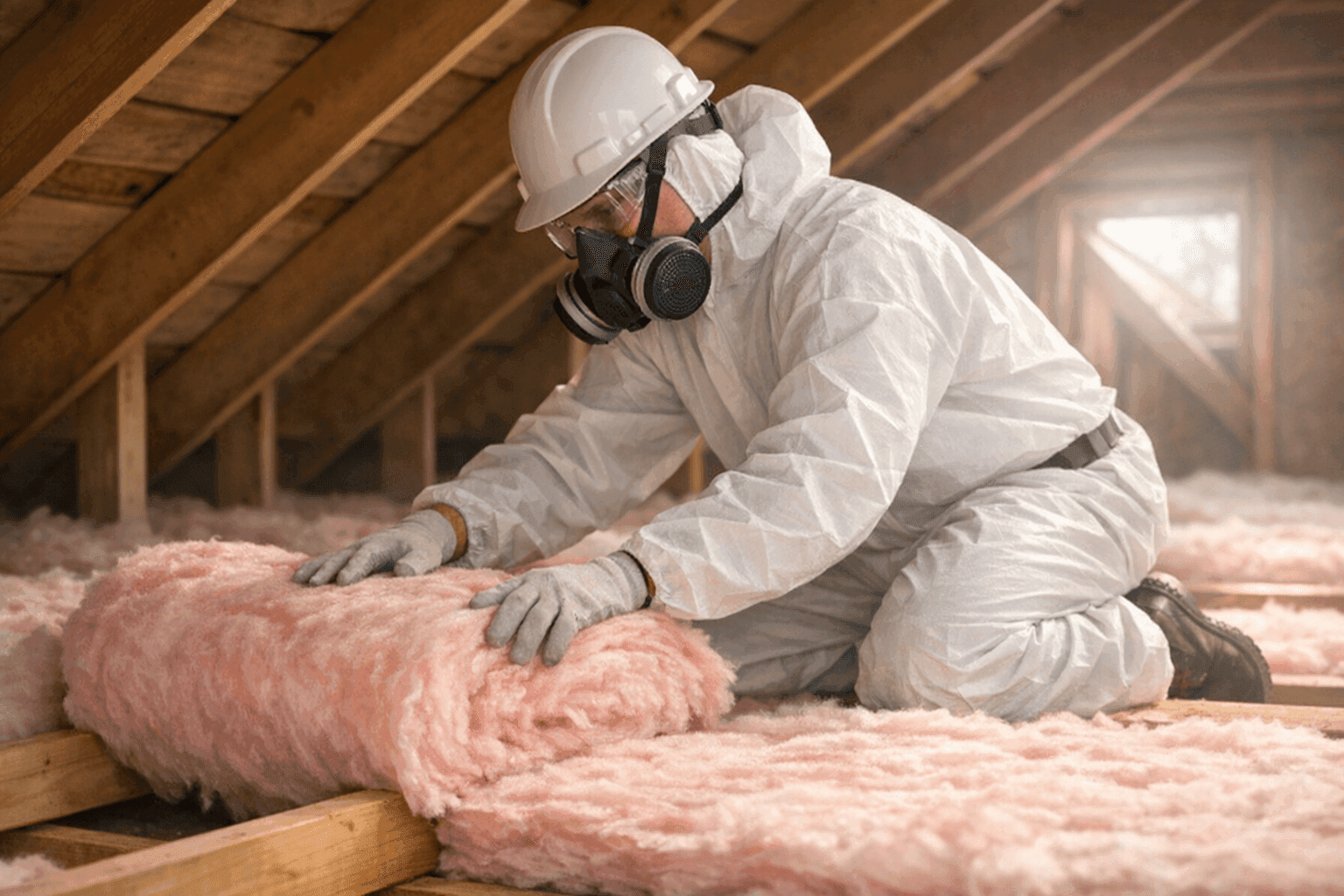
Have you ever felt a blast of cold air the moment you step into your attic? Or maybe your energy bills have crept higher, but you can’t spot any leaks. If so, you’re not alone. At Overhead Roofing, we know that what happens above your head—specifically in your attic—directly impacts the health of your roof and the comfort of your entire home.
Ignoring attic insulation is like leaving your front door wide open in winter. Heat escapes. Cold rushes in. Your roof pays the price. It’s more than comfort at stake—your wallet and roof longevity are on the line.
Why Attic Insulation Matters for Roofs 🏠
Think of attic insulation as your roof’s winter coat. Without it, your home loses heat fast, and your shingles or tiles face more wear and tear. But it’s not just about temperature. Proper insulation keeps moisture in check, prevents ice dams, and even blocks out noise from storms pounding on the roof.
The U.S. Department of Energy recognizes attic insulation as a critical factor in home energy efficiency. It’s not an upgrade—it’s a necessity for every homeowner who cares about their investment.
Warning Signs of Poor Insulation
Poor attic insulation leaves clues. Watch for these red flags:
- Ice dams forming on your roof’s edge after snow
- Mysterious drafts or uneven room temperatures
- Skyrocketing energy bills, especially in winter and summer
- Attic feels damp or musty
- Visible frost or condensation on rafters
- Mold patches on ceiling or attic surfaces
Don’t ignore these signals. They’re your roof’s way of crying for help.
Upgrading Attic Insulation
Upgrading insulation isn’t just about tossing in more fiberglass batts. It’s about choosing the right material, sealing air leaks, and making sure your attic can breathe. A good insulation job will:
- Match or exceed local code requirements (check with the International Residential Code or your local building department)
- Include vapor barriers to control moisture
- Fill gaps around pipes, vents, and electrical work
Curious about eco-friendly solutions? Materials like cellulose and mineral wool not only insulate well, but also help those looking for Eco-Friendly Options.
Prevention of Roof and Energy Problems
When insulation is up to par, your home’s indoor climate stays steady. Your HVAC system works less, which means lower bills. Your roof doesn’t get hammered by wild temperature swings that cause shingle curling or tile cracks.
Proper insulation also helps stop ice dams—a sneaky winter villain that can force water under your shingles, causing leaks and expensive repairs. According to ENERGY STAR, homeowners can save up to 15% on heating and cooling costs with upgraded insulation and air sealing.
Common Attic Insulation Mistakes
It’s easy to get insulation wrong. Homeowners sometimes:
- Block attic vents, trapping moisture and heat
- Use the wrong R-value for their climate
- Forget to insulate attic hatches and pull-down stairs
- Overlook sealing gaps before adding insulation
These mistakes can invite mold, pests, and roof rot. When in doubt, a professional assessment is a wise first step.
DIY or Call a Pro?
Rolling out insulation looks easy, but the details make all the difference. If you’re comfortable climbing into tight spaces and working with insulation materials, tackling small upgrades may be doable. But for major work, or if your attic has odd angles, electrical runs, or old insulation, it’s best to call in a roofing contractor.
At Overhead Roofing, our team checks for air leaks, inspects existing insulation, and ensures your attic is both sealed and ventilated. Our Ventilation & Insulation services cover every detail, from material choice to code compliance.
What Pros Do on Arrival
When our crew arrives, here’s what you can expect:
- Full attic inspection for signs of leaks, mold, or pest damage
- Measurement of current insulation levels (using the right R-value for your region)
- Assessment of ventilation, including soffit and ridge vents
- Recommendation of materials based on your needs and budget
We follow OSHA safety guidelines and take care to avoid disturbing wiring or other attic systems.
Quick Safety Checklist
Before anyone climbs up to your attic, double-check these essentials:
- Clear the area around attic access
- Wear gloves, mask, and long sleeves to avoid irritation
- Watch footing—old joists can be fragile
- Check for exposed wiring or signs of pests
Safety keeps you, your family, and your home secure.
Timeline & Disruption: What to Expect
Most attic insulation upgrades take just a day or two. There’s noise and a bit of dust, but minimal disruption to your daily routine. You’ll notice improved comfort almost immediately—no more rooms that feel like saunas or freezers.
Materials and Equipment: What Works Best?
The best insulation for your attic depends on your home’s layout and climate. Popular options include:
- Fiberglass batts: Affordable and widely available
- Blown-in cellulose: Great for tight spaces and eco-conscious homeowners
- Spray foam: Excellent air sealing, but higher cost
Each material has pros and cons. What matters most is proper installation and coverage.
Insulation and Roof Longevity
A well-insulated attic acts like a buffer. It prevents heat from escaping in winter and keeps attics cooler in summer. This reduces thermal shock, meaning your shingles, tiles, or metal panels last longer. For those searching for "Tile Roofing near you" or other roofing services, know that insulation is a silent partner in roof health.
When Poor Insulation Becomes an Emergency
Sometimes, insulation problems can’t wait. If you see water stains on your ceiling or spot mold in your attic, it’s time for immediate action. Water damage spreads fast and can threaten your home’s structure. Don’t hesitate—call for inspections and repairs right away.
Seasonal Considerations
Attic insulation isn’t a one-and-done job. Homes in snowy regions face winter ice dams, while hot climates battle attic heat. Check your insulation levels every few years, especially after severe weather.
Inspections: The Secret Weapon
Routine Inspections help catch small issues before they become big headaches. A trained team can spot insulation gaps, moisture problems, and early signs of roof trouble you might miss.
Insurance and Code Compliance
Most insurers expect your home to meet local insulation codes. Falling short could mean trouble if you ever file a claim for roof damage. Always check your local building codes—and keep records of any upgrades or repairs.
Attic Insulation and Eco-Friendly Roofing 🌱
Looking for ways to lower your carbon footprint? Modern insulation materials and proper installation help lower energy use, making your home greener year-round. This pairs perfectly with other sustainable roofing choices, such as cool roofs or recycled materials.
For residents seeking eco-friendly upgrades or reliable roofing services, our team is always ready to help. We’re proud to be among the leading roofing specialists featured on the roofing company page.
Your Roof Deserves the Best
A healthy roof starts from below. The right attic insulation is your best defense against leaks, energy waste, and costly repairs. Take action today—your home, your family, and your wallet will thank you.
Call Overhead Roofing now — or reach us anytime at 855-554-4704 .