How to Prevent Roof Wind Damage Before It Happens
Is your roof ready for the next big windstorm? Many homeowners don’t realize their roof’s first line of defense can be undone by a single gust—until it’s too late. At Overhead Roofing, we’ve seen how quickly wind can turn a small issue into a big, expensive problem.
But here’s the good news: with the right steps, you can stop wind damage before it ever starts. Let’s break down what really matters when it comes to safeguarding your roof and your peace of mind.
Why Wind Damages Roofs 🌬️
Wind isn’t just air moving fast. It’s a force that pries, lifts, and finds every weakness in your roof’s armor. Think of your roof like a puzzle—when one piece comes loose, others can quickly follow.
Here’s how wind does its work:
- Uplift: High winds create suction, pulling shingles, tiles, or panels up and away from the roof deck.
- Debris Impact: Loose branches or flying objects become battering rams, damaging materials and creating entry points for water.
- Edge Effects: The edges and corners of your roof are most vulnerable—wind pressure is highest here, and even a small flaw can become a pathway for damage.
Building codes, like those from the International Residential Code (IRC), set minimum standards for wind resistance, but older roofs may not meet today’s requirements. That’s why proactive maintenance is so important.
Design and Fastening for Wind Resistance
The way your roof is built makes all the difference. It’s not just about the materials—it’s also about how they’re attached.
Key features for wind resistance:
- Proper Fastening: Nails, screws, and clips must be correctly placed and secured. Shingles and tiles should be double-nailed near edges.
- Underlayment: A high-quality, wind-resistant underlayment acts as a backup if shingles or tiles lift.
- Edge Securement: Metal drip edges, starter strips, and well-fastened flashing help lock down those vulnerable areas.
- Material Choice: Some options, like architectural shingles or interlocking metal panels, stand up better to wind than others. Looking for "Tile Roofing near you"? Ask about products rated for high wind zones.
A roof built for wind doesn’t have weak spots. If you’re planning a new roof or replacement, ask your contractor about ASTM and local wind-resistance standards.
Key Maintenance Tips
Routine care can mean the difference between a roof that weathers the storm and one that fails.
Simple yet vital steps:
- Regular Inspections: Check after storms and at least twice a year. Look for loose or missing shingles, cracked tiles, and damaged flashing.
- Gutter & Downspout Cleaning: Clogged gutters trap water and debris, adding weight and creating moisture problems that weaken roofing materials.
- Trim Trees: Overhanging branches can snap off and damage your roof in high winds.
- Seal Loose Edges: Use roofing sealants to secure flashing and vulnerable seams—especially near chimneys and skylights.
- Check Fasteners: Make sure nails and screws are tight and rust-free.
- Remove Debris: Leaves, sticks, and other clutter trap moisture and create friction points for wind to grab on.
Consistent preventative maintenance is your best shield. Find out more about our Preventative Maintenance programs.
Signs Your Roof Needs Upgrading
Sometimes, maintenance isn’t enough. How do you know your roof is living on borrowed time?
Red flags to watch for:
- Frequent Repairs: Needing repairs after every storm is a sign your roof materials or design can’t keep up.
- Visible Sagging: A wavy or uneven surface means the underlying deck may be compromised.
- Granule Loss: Asphalt shingles shedding lots of granules are losing their protective layer.
- Rust or Corrosion: On metal roofs, fastener and panel rust can quickly lead to wind-blown leaks.
- Outdated Materials: Roofs over 20 years old may not meet current wind-resistance standards.
If you spot these issues, it’s time to consider a full roof replacement or upgrade.
Quick Safety Checklist Before the Winds Arrive
Don’t wait until the forecast is dire. Use this checklist as your go-to before storm season:
- Inspect shingles, tiles, and edges for looseness.
- Test flashing and sealant around chimneys, skylights, and vent pipes.
- Clear all gutters and downspouts.
- Check attic for signs of leaks or daylight peeking through boards.
- Secure patio furniture, grills, and anything else that could become airborne.
A few minutes of prevention can save months of repairs.
DIY vs. Call a Pro
There are tasks you can handle—clearing gutters, trimming branches, scanning for visible damage. But for anything involving climbing onto the roof or handling repairs, it’s safer and more effective to call licensed professionals.
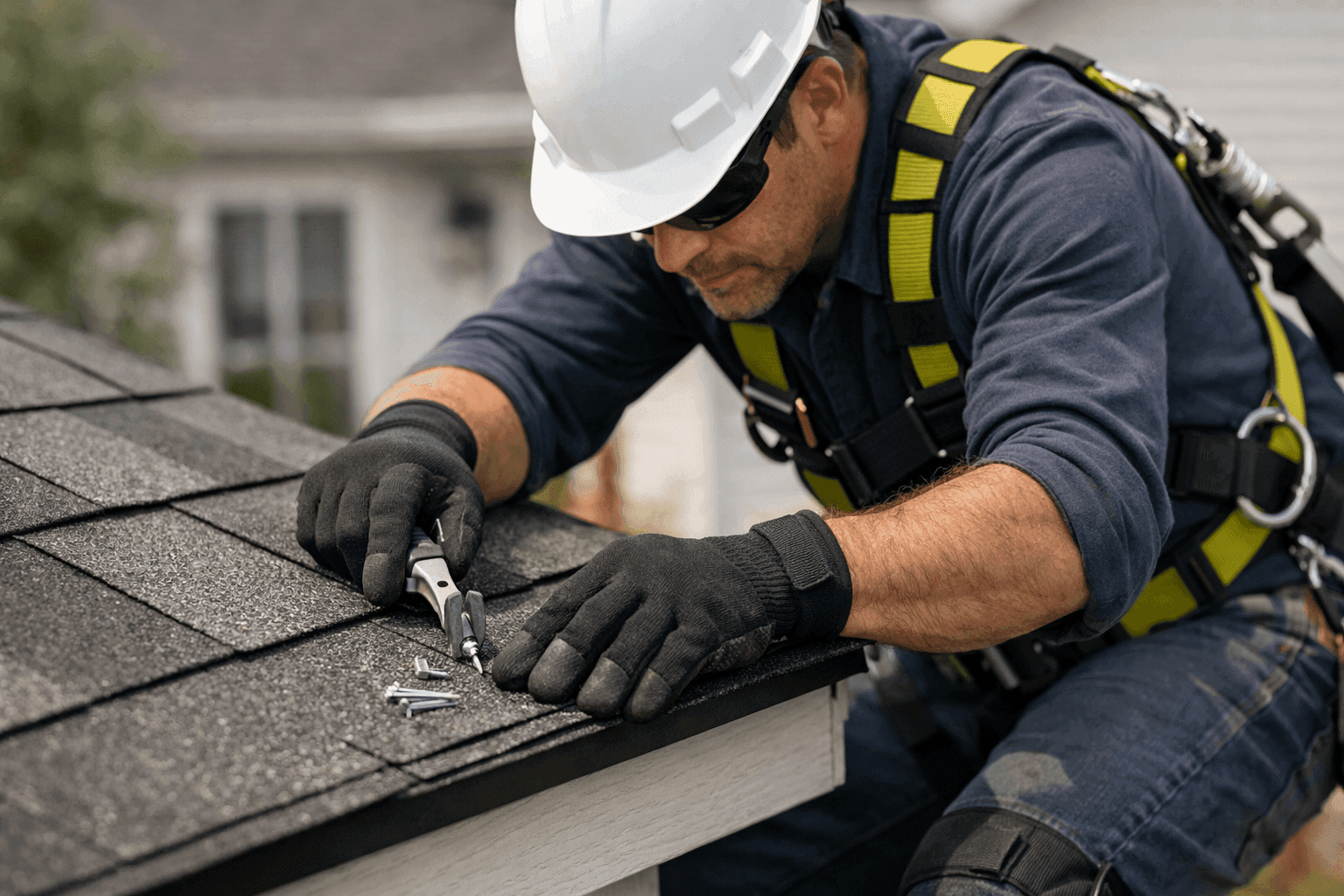
Why? Roofing is risky work. Pros use harnesses, know how to spot hidden problems, and follow OSHA safety standards. Plus, we see trouble where most people just see “a few loose shingles.”
What Pros Do On Arrival
When Overhead Roofing arrives for a wind-prep inspection, here’s what you can expect:
- Thorough walk-around and on-roof inspection for hidden weak points
- Fastener and flashing check at every vulnerable edge
- Assessment of gutters, downspouts, and drainage
- Clear, honest reporting—no jargon, just facts and photos
We follow the guidelines of organizations like the National Roofing Contractors Association (NRCA) to ensure nothing gets missed.
Prevention & Maintenance: The Foundation
Preventing wind damage isn’t just a one-time fix. It’s a routine—a habit. Like brushing your teeth or changing your car’s oil. Skipping it might not hurt today, but over time, the consequences add up.
Set a reminder for spring and fall. Schedule professional Inspections and handle small fixes before they grow.
Costs & Time Factors
Upgrading fasteners, sealing edges, or replacing sections of roof is an investment, sure. But compare that to the price tag of major repairs or whole-roof replacement after a storm. Not to mention the stress and disruption to your life.
Most maintenance tasks take a few hours to a day. Full upgrades or replacements take longer, but with careful planning, the disruption can be minimized.
When It’s an Emergency
Sometimes, despite your best efforts, wind wins. If you see missing shingles, water leaks, or daylight through your attic after a storm, it’s time to act fast.
Cover the damaged area with a tarp if you can do so safely. Then call for emergency Roof Repair. Quick action limits water damage and keeps your home secure.
Seasonal Considerations
Wind risk isn’t just a summer or hurricane-season problem. Winter storms can be just as brutal.
- Spring: Check for winter damage, clear debris.
- Summer: Inspect after thunderstorms and hurricanes.
- Fall: Clean gutters and prep for winter winds.
- Winter: Watch for ice dams and snow buildup that can stress roof fasteners.
Common Mistakes Homeowners Make
- Ignoring small leaks or cracks
- Waiting until after a storm to inspect
- Relying on age alone—some “young” roofs fail early if not maintained
- Forgetting about attic ventilation, which can affect roof pressure during storms
Timeline & Disruption
Most preventative work can be done in a day. Larger repairs or upgrades may stretch over several days, especially if weather delays work. Pros will communicate clearly about what to expect and how to minimize inconvenience.
Materials & Equipment Matter
Choosing the right roofing material isn’t just about looks—it’s your home’s armor. Asphalt shingles, tile, metal—all have wind-resistant options.
Ask about wind ratings and installation methods. For example:
- Architectural shingles rated for 110 mph or more
- Metal roofing panels with interlocking seams
- Tile roofs with high-wind clips
If you’re searching for a reliable roofing company, don’t hesitate to check out our roofing services in Pearl City.
FAQ: Wind Damage and Your Roof
Q: Will my insurance cover wind damage?
A: Most policies do, but only if your roof was in good repair beforehand. Preventative maintenance helps keep you covered.
Q: How often should I have my roof inspected?
A: Twice a year is a good rule. After any major storm, too.
Q: Can I just add more nails to my shingles?
A: Not always. Placement, type, and the underlying deck matter. Let a pro assess before making changes.
Final Thoughts
Wind doesn’t have to win. With smart design, regular Preventative Maintenance, and quick action when problems show up, you can keep your roof solid season after season.
Call Overhead Roofing now — or reach us anytime at 855-554-4704 .