How to Prevent Roof Leaks Before They Start
Is there anything more frustrating than a sudden drip, drip, drip from the ceiling on a rainy night? Roof leaks seem to come out of nowhere, but in reality, most start small—and can be stopped before they ever start. At Overhead Roofing, we've seen how a little prevention can save homeowners from major headaches and bills.
Your roof is more than just shingles and nails. It’s the shield that stands between your family and the weather outside. Let’s dive into how you can keep it that way.
Why Roofs Leak – Common Causes 🏠
Roofs don’t just spring leaks out of bad luck. There are real, fixable reasons behind every water stain or ceiling bubble. Understanding these causes is your first defense:
- Aging Materials: Shingles, tiles, and metal all wear down. Even the toughest roofing has a lifespan.
- Clogged Gutters: When leaves and debris pile up, water backs up under the roof edge instead of draining away.
- Faulty Flashing: Flashing is the thin metal that seals roof edges, chimneys, and skylights. If it’s loose or rusted, water sneaks in.
- Missing or Broken Shingles: Wind, storms, or time can take their toll, leaving gaps for leaks.
- Poor Ventilation: Without enough airflow, heat and moisture build up in the attic, weakening roofing materials.
- Improper Installation: Even the best materials can fail if installed incorrectly.
According to the International Association of Certified Home Inspectors (InterNACHI), most leaks are preventable with early attention and routine care.
Critical Prevention Steps
Stopping leaks starts with simple habits and regular checks. Think of your roof like a car—routine maintenance is far cheaper than major repairs.
Regular Inspections
Walk around your home and look up. Notice missing shingles? Sagging gutters? It’s worth a closer look. Even better, schedule professional Inspections once or twice a year. A trained eye catches small issues before they grow.
Gutter Cleaning
Gutters clogged with leaves are like a clogged sink—they back up fast. Clean them out every spring and fall, or after a big storm. This keeps water flowing safely away from your roofline and foundation.
Flashing Checks
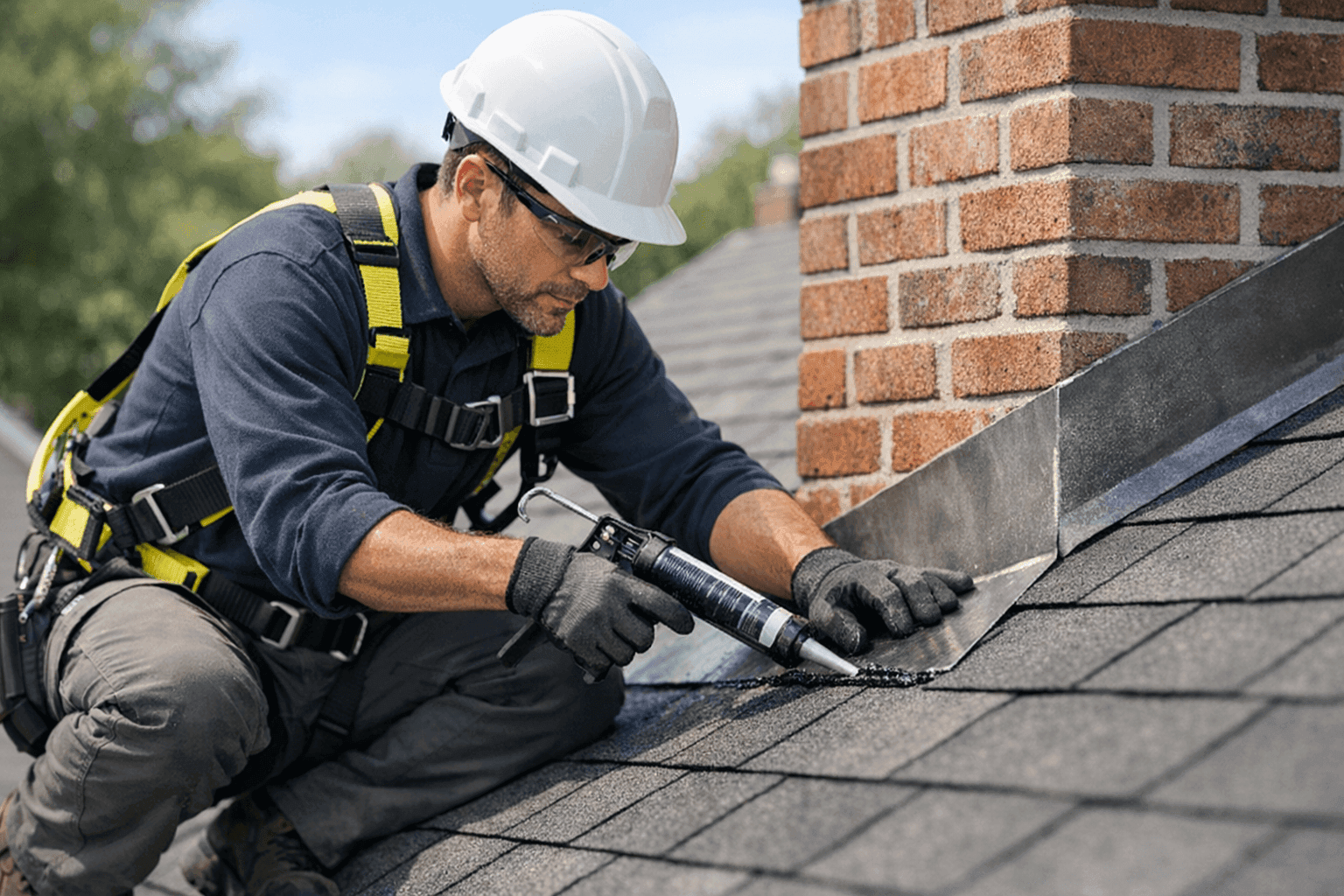
Look for rust, cracks, or loose pieces around chimneys, skylights, and roof valleys. A $10 tube of sealant can prevent thousands in damage if you catch it early.
- Check for rust or gaps in metal
- Seal small cracks with roofing-specific caulk
- Replace old flashing if it’s bent or missing
Seasonal Leak Risks and Solutions 🍂
Every season brings its own risks. Here’s how to be ready:
- Spring: Melting snow and heavy rain can reveal leaks hiding under ice dams. Inspect for winter damage.
- Summer: High heat causes shingles to curl and crack. Look for sun damage and replace brittle spots.
- Autumn: Falling leaves clog gutters. Clean them before the first freeze to prevent water backup.
- Winter: Ice dams form when warm attic air melts snow, which re-freezes at the roof edge and forces water under shingles. Add insulation and ventilation to prevent this.
The True Cost of Waiting
A small leak seems harmless—until it isn’t. Water travels fast, soaking insulation, warping wood, and inviting mold. Repairing a stained ceiling or framing costs far more than a quick maintenance visit. Prevention is always the affordable path.
Quick Safety Checklist
Before climbing a ladder or poking at your roof, keep these basics in mind:
- Never work on a wet or icy roof
- Use sturdy, slip-resistant shoes
- Have a second person nearby for support
- Don’t lean over roof edges
- For steep or high roofs, call a professional
The Occupational Safety and Health Administration (OSHA) recommends using harnesses for any work above six feet. Safety first—always.
DIY or Call a Pro?
Some fixes are easy—like clearing a gutter or replacing a shingle. But flashing repairs, skylight leaks, or major water stains usually need a trained hand. If you’re unsure, don’t risk it. A professional leak repair is safer and often faster.
How Pros Handle Roof Leaks
When Overhead Roofing arrives, here’s what we do:
- Investigate the leak source (inside and outside)
- Inspect nearby roof features—vents, flashing, gutters
- Provide a clear explanation and options
- Repair with code-compliant materials
- Offer tips to avoid future trouble
We follow Minnesota Building Code and manufacturer guidelines to ensure every repair lasts.
Prevention & Maintenance for All Roof Types
Whether you have shingle, tile, or metal roofing, regular care is key.
- Tile Roofing near you: Inspect for cracked or loose tiles after storms.
- Shingle Roofing: Look for granule loss (bald patches) and replace curled shingles.
- Flat Roofs: Watch for ponding water and check seams for splits.
- Metal Roofing: Check screw heads and seams for rust or gaps.
Preventative maintenance is the backbone of a healthy home.
Signs of Trouble—Don’t Ignore These
Act fast if you notice:
- Water stains on ceilings or walls
- Moldy or musty odors in the attic
- Bubbling or peeling paint
- Shingle grit in gutters
- Dripping sounds in heavy rain
These are the whisper before the shout. Early repairs save money and stress.
Timeline & Disruption—What to Expect
Most leak repairs and maintenance take less than a day. Preventative visits are even quicker. We work to minimize disruption, protect landscaping, and leave your property tidy.
Materials That Matter
Cheap caulks or mismatched shingles may patch a problem, but they don’t last. Quality underlayments, sealants, and flashing make the difference. Always use materials rated for your climate and roof type.
When It’s an Emergency
If water is pouring in or threatening electrical systems, call for emergency services. Move valuables, place buckets, and turn off affected circuits if safe. Fast action limits the damage until help arrives.
Frequently Asked Questions
Q: How often should I get my roof checked?
A: Twice a year is best—spring and fall. After major storms, inspect again.
Q: What’s the best way to spot a leak early?
A: Check your attic after heavy rain. Look for wet wood, stains, or drips.
Q: Can I use tarps as a temporary fix?
A: Yes, but only as a stopgap. Have a permanent repair done as soon as possible.
Common Mistakes to Avoid
- Waiting too long to address small drips
- Ignoring clogged gutters
- Using hardware store caulk on major leaks
- Overlooking attic ventilation and insulation
- Trying risky DIY repairs on steep or damaged roofs
Local Help You Can Trust
Regular maintenance is the secret to a leak-free home. Whether you need a quick check, repairs, or long-term Preventative Maintenance, Overhead Roofing is ready to help.
Call for Real Answers and Lasting Repairs
Leaks don’t wait. Neither should you.
Call Overhead Roofing now — or reach us anytime at 855-554-4704 .