How to Prevent Roof Damage From Heavy Rain and Flooding
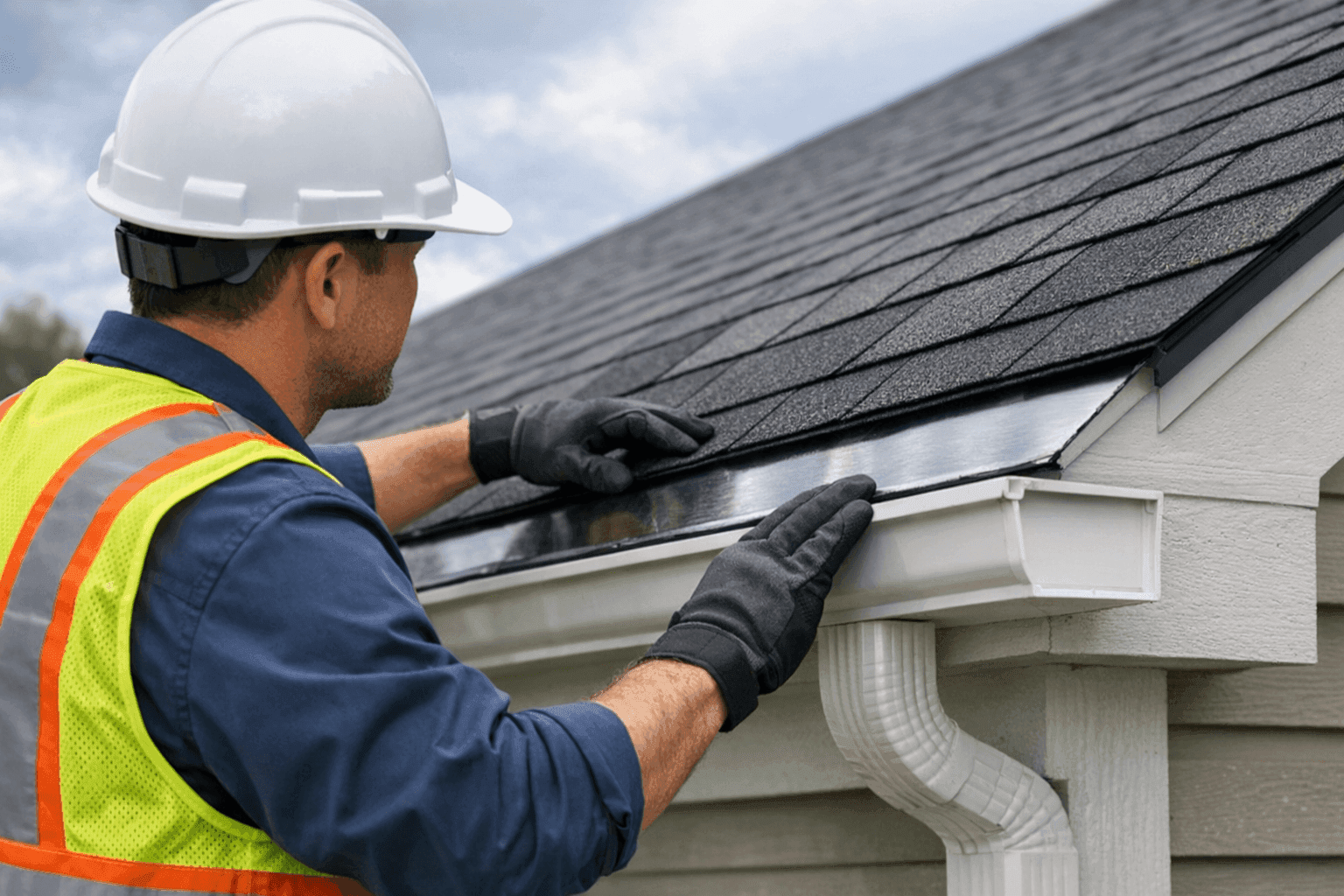
When the skies open up and the rain comes down hard, your roof is your first and last line of defense. At Overhead Roofing, we know how quickly a sudden storm can turn a small drip into a disaster. That’s why we’re here—not just to fix leaks, but to help you prevent the worst before it ever starts.
If you’ve ever worried about water stains, mysterious drips, or the “thud” of a leaking gutter, you’re not alone. Roof damage from heavy rain and flooding is one of the most common headaches for homeowners. But with the right approach, your roof can weather any storm.
Why Rain Damages Roofs
Rain seems harmless—until it isn’t. Picture your roof as a shield. It’s built to keep water out, but it only works if every piece is in place. Water is sneaky. It finds the tiniest cracks, missing shingles, loose flashing, and clogged gutters. Over time, even a slow drip can rot wood, corrode metal, and lead to mold.
Heavy rain tests every weak spot. If water pools up or backs under shingles, it can slip through seams and nails, soaking insulation or damaging beams. As the National Roofing Contractors Association explains, most roof leaks are caused by poor drainage, worn materials, or faulty flashing. That’s why staying ahead of problems isn’t just smart—it’s essential.
Drainage, Flashing, and Gutter Solutions 🌧️
Think of gutters and flashing as your roof’s raincoat and umbrella. If either fails, you’ll get soaked.
Gutters: Your Roof’s Gut Check
- Keep them clear. Clogged gutters mean water spills over, soaking your walls and foundation.
- Check for sagging or rust. Weak spots are invitations for leaks.
- Downspouts matter. Make sure they direct water at least 3 feet from your house.
Regular Gutter Cleaning is your first line of defense. It’s more than a chore—it’s flood prevention in disguise.
Flashing: The Unsung Hero
Flashing is thin metal that seals edges and joints. Around chimneys, vents, and skylights, it keeps water out of places it doesn’t belong. Over time, flashing can loosen, crack, or corrode. When that happens, rain has a clear path inside.
- Inspect after storms. Look for rust, gaps, or bent pieces.
- Repair quickly. Even a small gap can lead to big repairs later. Roof Flashing Repair keeps your roof watertight.
Warning Signs and Emergency Steps 🚨
When it rains hard, don’t ignore these red flags:
- Water stains on ceilings or walls
- Bubbling or peeling paint
- Dripping sounds in the attic
- Wet insulation or musty smells
If you spot these, act fast:
- Contain leaks. Use buckets or towels to catch water.
- Move valuables. Protect electronics and furniture.
- Avoid electrical hazards. If water nears outlets, shut off breakers.
- Call for help. Emergency preventative maintenance can stop disaster in its tracks.
Maintenance for Flood Prevention
Flooding isn’t just a basement problem. If water gets past your roof, it can ruin insulation, walls, and even your home’s structure.
Year-Round Tips for Homeowners
- Inspect after every storm. Look for missing shingles, debris, and bent flashing.
- Schedule annual professional inspections. A trained roofing specialist can spot trouble you might miss.
- Trim trees. Branches scraping against your roof can strip away shingles and create entry points for water.
- Check attic ventilation. Good airflow helps prevent condensation and mold.
The International Residential Code (IRC) recommends regular roof inspections to maintain structural integrity and compliance.
DIY vs. Professional Help
Some tasks are safe for handy homeowners—like cleaning gutters or checking for visible debris. But climbing ladders or working near electrical lines is risky. When in doubt, call a licensed roofing company. We’re trained to spot what you can’t see from the ground.
What Pros Do On Arrival
When Overhead Roofing comes out after a storm, here’s what we look for:
- Blocked gutters or downspouts
- Damaged or missing shingles and tiles
- Loose, rusted, or missing flashing
- Soft spots or sagging in the roof deck
- Signs of water intrusion in the attic
We use industry-approved methods—like infrared scanning and moisture meters—to find leaks invisible to the naked eye.
Seasonal Considerations
Spring and fall bring the heaviest rains. Make preseason checks a habit:
- Spring: Remove winter debris. Inspect for ice dam damage.
- Fall: Clean gutters of leaves. Check flashing before freeze-thaw cycles.
Common Mistakes That Lead to Water Damage
- Ignoring small leaks ("It’s just a drip")
- Skipping seasonal gutter cleaning
- Using DIY sealants that don’t last
- Waiting too long to repair flashing
Little problems become big ones overnight when rain pours down.
Hidden Costs and Disruption
Water damage isn’t just about leaks. It can lead to:
- Mold and mildew (bad for health, expensive to fix)
- Damaged insulation (leads to higher energy bills)
- Rotted wood and weakened structures
Prevention—like regular preventative maintenance—is almost always less expensive than emergency repairs.
How Long Will Repairs Take?
Minor fixes (like patching a leak or replacing a shingle) can be done in a day. Major water damage or structural repairs may take longer, especially if mold or rot is discovered. Plan ahead and act quickly after any storm.
Materials Matter
Tile, metal, and shingle roofs all respond differently to heavy rain. Well-installed tile roofing near you can last decades, but cracked or loose tiles are a fast track to leaks. Metal sheds water quickly but needs intact fasteners and flashing. Asphalt shingles are cost-effective, but they wear out fastest under constant rain.
Emergency? Know When It’s Time to Call
If water is pouring in, if you see sagging ceilings, or if you’re worried about your safety—don’t wait. Call a professional roofing contractor immediately. Your safety comes first.
FAQ: Preventing Roof Damage From Rain
Q: How often should gutters be cleaned?
A: At least twice a year, or after a major storm.
Q: What’s the most common cause of rain leaks?
A: Failing flashing and clogged gutters are the top culprits.
Q: Can I use a tarp as a temporary fix?
A: Yes, but only as a short-term solution until repairs can be made.
The Overhead Roofing Difference
We’ve seen it all—roofs battered by hail, wind, and relentless rain. Our team knows what works because we follow best practices outlined by organizations like the National Roofing Contractors Association and local building codes. Whether you need new flashing, Gutter Cleaning, or a full inspection, we’re here for you.
If you’re in Council Bluffs, learn more about our full range of roofing services.
Rain doesn’t have to win. With smart maintenance and a little help from Overhead Roofing, your roof can keep your home dry, safe, and comfortable—storm after storm.
Call Overhead Roofing now — or reach us anytime at 855-554-4704 .