How to Prevent Roof Damage From Birds and Wildlife
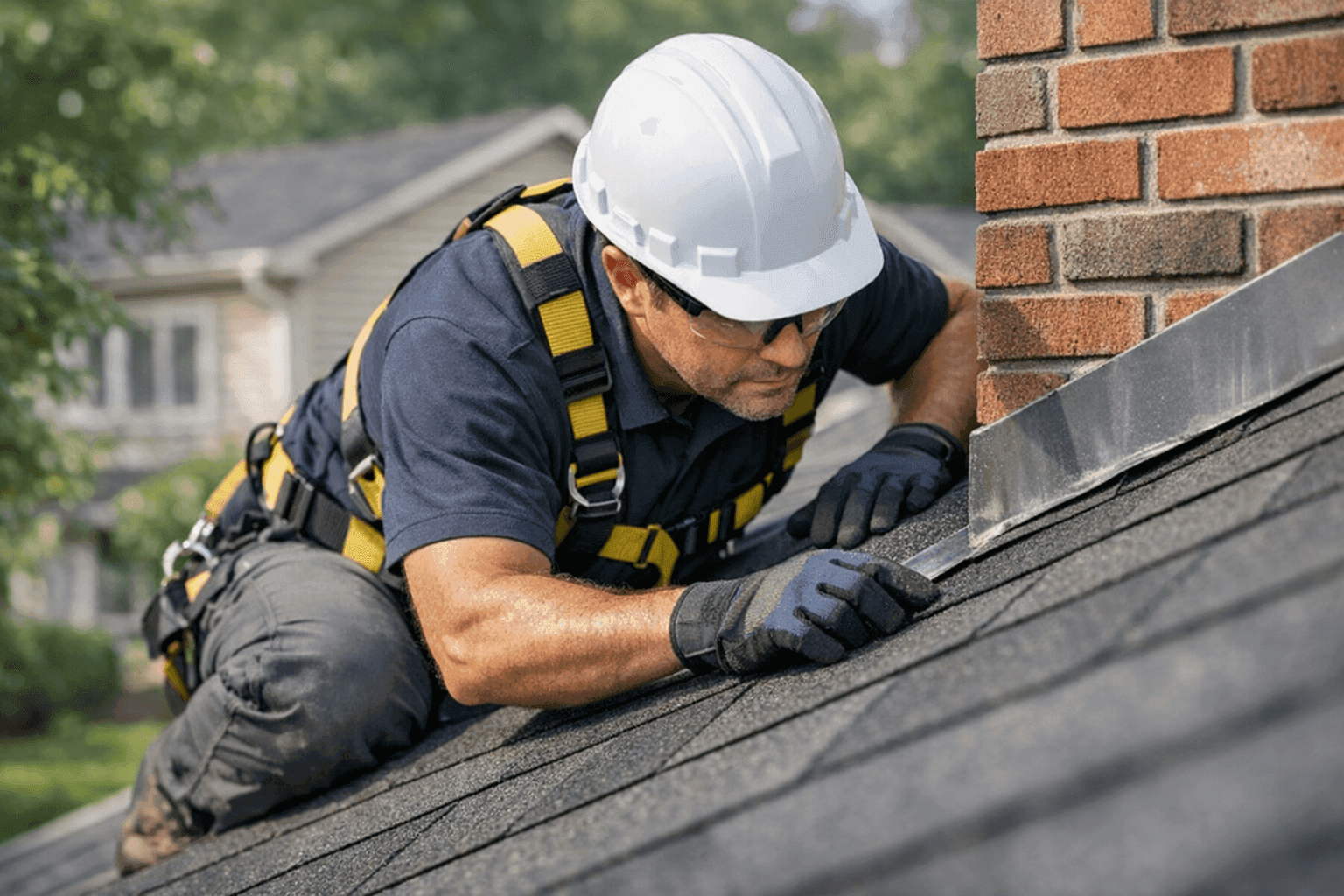
Your roof is more than just shingles and tiles—it's your home's helmet against the world. When birds and wildlife turn your roof into their playground, trouble isn’t far behind. It could start with a few droppings or the flutter of wings under the eaves. Then, before you know it, you’ve got leaks, chewed wiring, and costly repairs on your hands.
At Overhead Roofing, we see these problems every season. Let’s walk through how you can protect your home from uninvited guests—before small annoyances turn into big headaches.
Common Wildlife Roof Problems 🦅
Wildlife may be charming in your backyard, but on your roof, they bring headaches:
- Birds: Pigeons, starlings, and sparrows nest under tiles or gutters. Their droppings are acidic and can eat away at roofing materials.
- Squirrels and raccoons: Known for chewing through shingles, flashing, and even vent covers. Once inside, they wreak havoc on insulation and wiring.
- Rodents: Mice love tight corners under eaves or in attic spaces. They’ll gnaw through anything—including electrical wires.
- Bats: Often slip into attics through tiny gaps. Bat guano is not just messy; it’s also a health hazard.
The damage isn’t just cosmetic. Wildlife can compromise your roof's structure, cause leaks, or even become a fire risk.
Signs of Animal Damage
Not sure if critters are calling your roof home? Watch for these tell-tale signs:
- Unusual noises: Scratching, scampering, or flapping in the attic, especially at dawn or dusk.
- Droppings: Piles of bird or bat droppings near vents, chimneys, or rooflines.
- Missing or damaged shingles: Small holes, lifted tiles, or torn shingles.
- Nests: Twigs, leaves, or insulation poking out from the eaves or vents.
- Chewed materials: Bite marks on roof flashing, vent covers, or even gutters.
- Water stains or new leaks: Animal activity can open pathways for water to enter your home.
If you notice any of these red flags, it’s time for a Inspections.
How to Prevent Wildlife Roof Intrusions
An ounce of prevention is worth a pound of repairs. Here’s how to keep your roof wildlife-free:
- Seal all entry points: Check for gaps in soffits, fascia, or around vents. Use weatherproof sealant or heavy-gauge hardware cloth.
- Trim overhanging branches: Squirrels and raccoons use trees as highways to your roof. Keep branches at least 6 feet away.
- Install chimney caps and vent screens: These block birds, bats, and rodents from getting in.
- Clean gutters and downspouts: Nesting debris attracts more wildlife and blocks drainage, causing water damage.
- Remove food sources: Bird feeders or unsecured garbage near the house invite critters closer.
- Schedule routine inspections: At least twice a year—especially after storms or high winds.
For specialized prevention, Overhead Roofing offers humane solutions that respect local wildlife regulations and the safety of your home.
Repairing Animal Damage Safely
Finding damage is stressful. Fixing it right is critical. Here’s what to do:
- Don’t attempt removal yourself. Wildlife can be aggressive, and some species are protected by law. Contact animal control or a licensed wildlife removal professional.
- Assess the damage. Once animals are safely removed, inspect all affected areas—roofing materials, insulation, and attic spaces.
- Sanitize and repair. Clean up any droppings or nesting material using safety gear. Repair or replace damaged tiles, flashing, and insulation. For subtle issues like slow leaks, professional leak repair is a must.
- Reinforce prevention. Seal off entry points and install barriers to prevent future intrusions.
Always follow OSHA guidelines when working at heights or handling animal waste. If in doubt, call a roofing professional.
Quick Safety Checklist
Before you climb a ladder or poke around in the attic:
- Wear gloves, a dust mask, and eye protection.
- Use a sturdy ladder on level ground.
- Never approach aggressive animals—call a professional.
- Have someone nearby in case you need help.
DIY vs. Call a Pro
Some small maintenance tasks—like trimming branches or cleaning gutters—are DIY-friendly. But when it comes to animal removal, structural repairs, or locating hidden leaks, professional help is safer and more effective.
Consider calling Overhead Roofing if:
- You suspect animals are still present.
- There’s significant damage to tiles, decking, or flashing.
- You spot moisture stains or recurring leaks.
What Pros Do On Arrival
Professional roofers and wildlife removal teams follow a careful process:
- Inspect the entire roof, attic, and perimeter for signs of entry and damage.
- Identify the species involved—important for safe removal and legal compliance.
- Remove nesting materials and sanitize affected areas.
- Repair all physical damage, from replacing shingles to fixing insulation and flashing.
- Install preventive barriers and advise on future maintenance.
Prevention & Maintenance Tips
Consistent care makes all the difference:
- Schedule biannual roof inspections—spring and fall are best.
- After major storms, check for new gaps, loose tiles, or debris.
- Maintain trees and remove fallen branches near your home.
- Install motion-activated lights or sound deterrents if wildlife is persistent.
Costs & Time Factors
Roof damage from wildlife can range from small patch jobs to major repairs. Minor sealant fixes or tile replacements may take only a few hours. Larger jobs—like structural repairs or replacing insulation—can take several days and cost significantly more.
Prompt action keeps costs down and limits disruption to your home life.
When It’s an Emergency
Certain situations need immediate attention:
- Active animals in the attic or living space.
- Water pouring through new holes after a storm.
- Strong odors or health hazards from droppings.
If you’re facing any of these, call for emergency roof repair right away.
Seasonal Considerations
Wildlife activity spikes in spring (nesting season) and fall (animals seek warm shelter). Schedule inspections before and after these periods. In winter, rodents may sneak indoors seeking warmth, so keep an eye out for new entry points.
Common Mistakes to Avoid
- Ignoring small noises or droppings—these are early warning signs.
- Using poison traps—unsafe for pets, children, and protected species.
- Blocking exits while animals are inside—can cause even more damage.
- Skipping professional inspections—hidden damage can lead to big bills later.
Frequently Asked Questions
Q: Can birds really cause leaks?
A: Yes! Bird droppings are acidic and can wear through roofing materials, especially on tile roofs. Nests can also block drainage and gutters, leading to water damage.
Q: How often should I check my roof for wildlife damage?
A: Twice a year is best—plus after major storms.
Q: Will insurance cover wildlife roof damage?
A: Policies vary. Check your homeowner’s insurance, but many cover sudden and accidental damage (not ongoing neglect).
Timeline & Disruption
Most repairs are completed in one to two days. Larger jobs, like replacing decking or insulation, may take longer. Overhead Roofing always works to minimize disruption—so your life stays on track.
Materials & Equipment
Repairing wildlife damage may involve:
- Replacement shingles or tiles (as needed)
- Metal or mesh barriers for vents and chimneys
- Heavy-duty sealant
- PPE (gloves, masks, etc.)
- Professional-grade cleaning supplies
All materials should meet local building codes and, where possible, eco-friendly options are available.
Your Roof, Wildlife-Free and Worry-Free
Birds and squirrels may be cute—but not when they’re chewing, nesting, or leaving a mess on your roof. Protect your home by staying alert, acting early, and leaning on professionals when needed. If you’re in need of reliable roofing services, Overhead Roofing is only a call away.
Call Overhead Roofing now — or reach us anytime at 855-554-4704 .