How to Prevent Roof Condensation and Moisture Problems
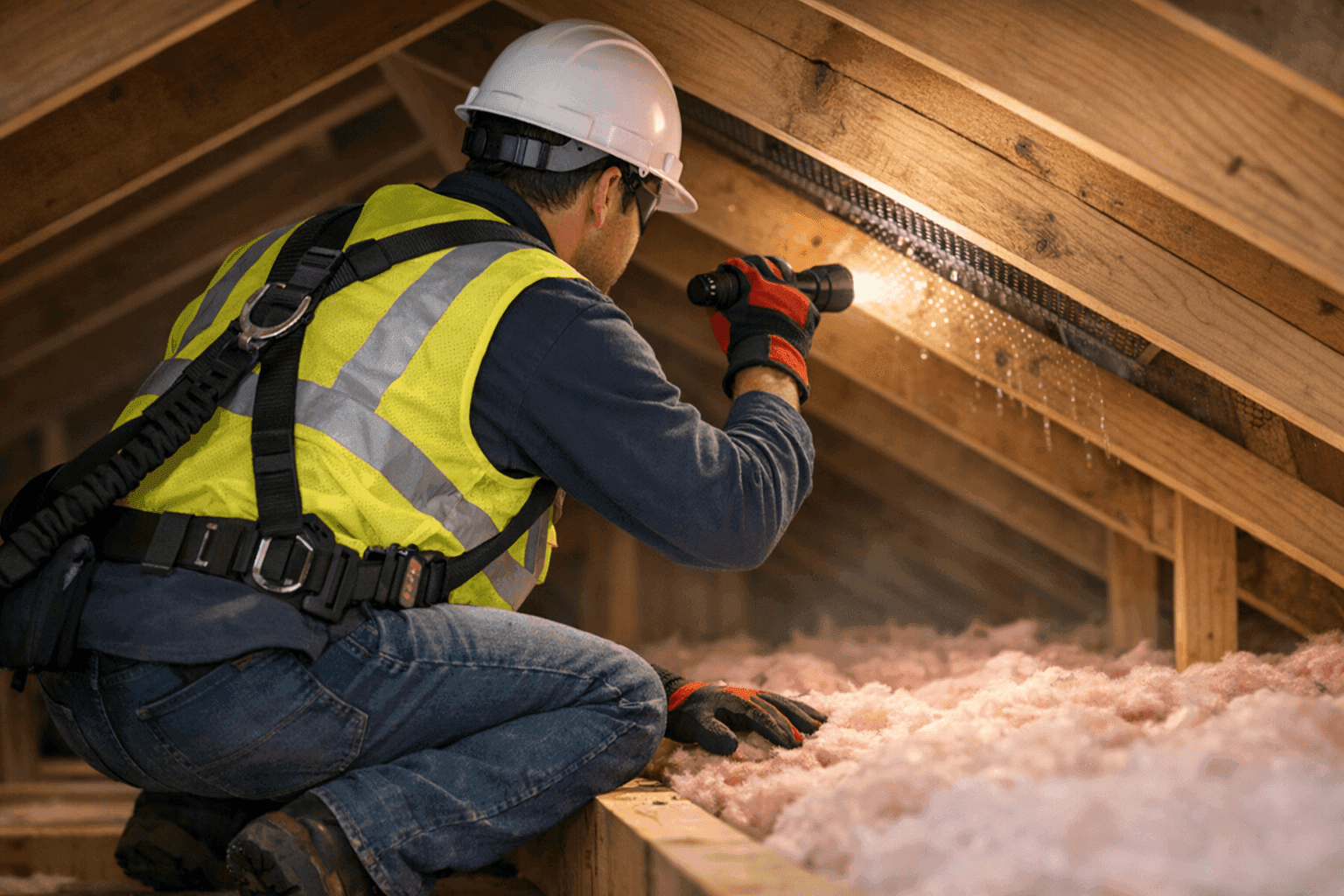
Is the air in your attic thick and musty? Have you noticed water stains on your ceiling that seem to appear out of nowhere? Roof condensation sneaks in quietly—like fog on a cold window—and can cause big problems if left unchecked.
At Overhead Roofing, we know how frustrating hidden moisture can be. Condensation is more than a nuisance. It threatens your roof’s strength and the air you breathe every day. Here’s how to spot it, stop it, and keep your home healthy.
What Causes Roof Condensation? 🌫️
Picture this: warm, humid air rises from your living space and meets the cold underside of your roof deck. Just like dew forming on grass at dawn, water droplets appear where warm and cool air collide. This is condensation in action.
Common causes include:
- Poor attic ventilation (trapped air has nowhere to go)
- Inadequate insulation (not enough to keep temperatures stable)
- Gaps and air leaks (moisture rides up through cracks, seams, and light fixtures)
- Everyday activities—cooking, showering, laundry—all release moisture indoors
The science is simple. Moisture seeks the coldest spot. If it finds your attic or roof deck, trouble begins.
Signs of Moisture Problems
How do you know if condensation is creeping in? Watch for these tell-tale signs:
- Water stains or streaks on your ceiling or walls
- Peeling paint or wallpaper near the ceiling
- Damp, musty smells in the attic or upper rooms
- Wood rot or dark mold patches on rafters and beams
- Rusty nails, screws, or metal fittings in the attic
- Dripping from roof vents or light fixtures after cold nights
If any of these hit home, don’t ignore them. Moisture rarely fixes itself.
Steps to Prevent Condensation
Ventilation: Let Your Roof Breathe
A roof is like a living thing—it needs to breathe. Proper ventilation moves moist air out and brings fresh air in. This keeps temperatures balanced and moisture in check.
- Install ridge vents and soffit vents for steady airflow.
- Make sure attic vents aren’t blocked by insulation, boxes, or debris.
- Clean vents regularly, especially after storms or heavy pollen seasons.
- For homes with Tile Roofing near you or metal roofs, check that flashing and vent penetrations are sealed but not smothered.
Insulation: The Blanket Your Roof Needs
Insulation isn’t just for warmth. It’s a barrier, stopping warm, moist air from leaking up and meeting cold roof surfaces.
- Use insulation rated for your local climate (check the U.S. Department of Energy’s R-value guidelines).
- Install it evenly, with no gaps or compressed spots.
- Don’t block attic vents with insulation—leave a path for air to flow.
Air Sealing: Stop Leaks at the Source
Tiny cracks can act like highways for humid air. Seal them up tight.
- Use caulk or weatherstripping around attic hatches, plumbing stacks, and recessed lights.
- Check for gaps along chimneys, exhaust fans, and ceiling fixtures.
- Pay special attention to bathroom and kitchen vents—these should exhaust directly outside, never into the attic.
Quick Safety Checklist 🛠️
- Always wear gloves and a dust mask when working in the attic.
- Walk only on joists or boards—never on loose insulation.
- Turn off electricity before inspecting wiring or fixtures.
DIY vs. Call a Pro
Some fixes are weekend projects. Others? Not so much. If you’re comfortable checking vents and adding insulation, great! But if you see mold, wood rot, or suspect hidden leaks, it’s time to call in a roofing contractor.
Professional roofers can:
- Pinpoint hidden air leaks with thermal imaging
- Inspect for structural damage and code compliance
- Recommend the right insulation and ventilation upgrades
And remember: even a small leak can mean bigger problems below the surface.
What Pros Do On Arrival
When a pro from Overhead Roofing visits, here’s what happens:
- Full attic and roof inspection for leaks, wet insulation, and hidden damage
- Moisture readings with specialized tools
- Assessment of current ventilation and insulation setup
- Recommendations based on building codes (like International Residential Code R806 for attic venting)
You’ll get a clear action plan, not guesswork.
Prevention & Maintenance: The Long Game
Stopping condensation isn’t a one-time fix. It’s a habit.
- Schedule annual Inspections to catch small problems before they grow.
- Clean gutters and downspouts each season—clogged gutters can back up water and lead to rot.
- Watch for ice dams in winter. These can trap water under shingles and cause leaks.
- Include attic checks in your spring and fall Preventative Maintenance.
Costs & Time Factors
Most ventilation or insulation upgrades can be done in a day or two. Simple air sealing is low-cost, high-impact. But if you put off repairs and moisture causes rot, you might be looking at bigger structural fixes.
Budget for regular maintenance—it’s far less expensive than a new roof.
When It’s an Emergency 🚨
If you see active dripping, sagging ceilings, or visible mold, act fast. These are signs of urgent damage. Mold and rot spread quickly. Wet insulation loses its power to protect. In these cases, call Overhead Roofing right away.
FAQ: Common Roof Moisture Questions
Will a dehumidifier help?
It can reduce moisture indoors, but won’t fix leaks or poor ventilation.
Do all homes have attic condensation in winter?
Not all, but it’s common in cold climates and older homes lacking good insulation.
Can condensation damage my roof structure?
Yes. Over time, it can rot wood, weaken fasteners, and create an environment for mold.
How often should I check for condensation?
At least twice a year—spring and fall are best.
Seasonal Considerations
Winter brings the highest risk for condensation. Warm indoor air meets cold roof decks. In summer, high humidity and AC use can also cause problems. Adjust attic vents and check insulation levels as the seasons change.
Common Mistakes to Avoid
- Blocking attic vents with insulation or storage boxes
- Ignoring small stains or musty smells
- Using plastic vapor barriers incorrectly (they can trap moisture if not installed right)
- Delaying repairs—moisture won’t wait
Timeline & Disruption
Most basic fixes—adding vents, sealing gaps, topping up insulation—can be done in a day. Major repairs (like replacing rotted wood) may take longer and require more cleanup. Plan for some disruption if structural repairs are needed, but most maintenance won’t upend your home life.
Materials & Equipment That Matter
- Quality soffit and ridge vents (aluminum or vinyl for longevity)
- Insulation with the right R-value for your region
- Caulking and weatherstripping for sealing
- Protective gear (gloves, masks) for safe attic work
Stick with materials rated by organizations like ASTM or Underwriters Laboratories for safety and performance.
Protect Your Home’s Health
Roof condensation is invisible—until it isn’t. By keeping your attic dry and your roof well-ventilated, you’re not just protecting shingles. You’re guarding your home’s air, structure, and long-term value.
If you’re not sure where to start or need a professional opinion, Overhead Roofing is here to help. Residents looking for roofing services can count on our thorough approach to prevention and repair.
Call Overhead Roofing now — or reach us anytime at 855-554-4704 .