How to Prevent and Repair Roof Blistering and Bubbling
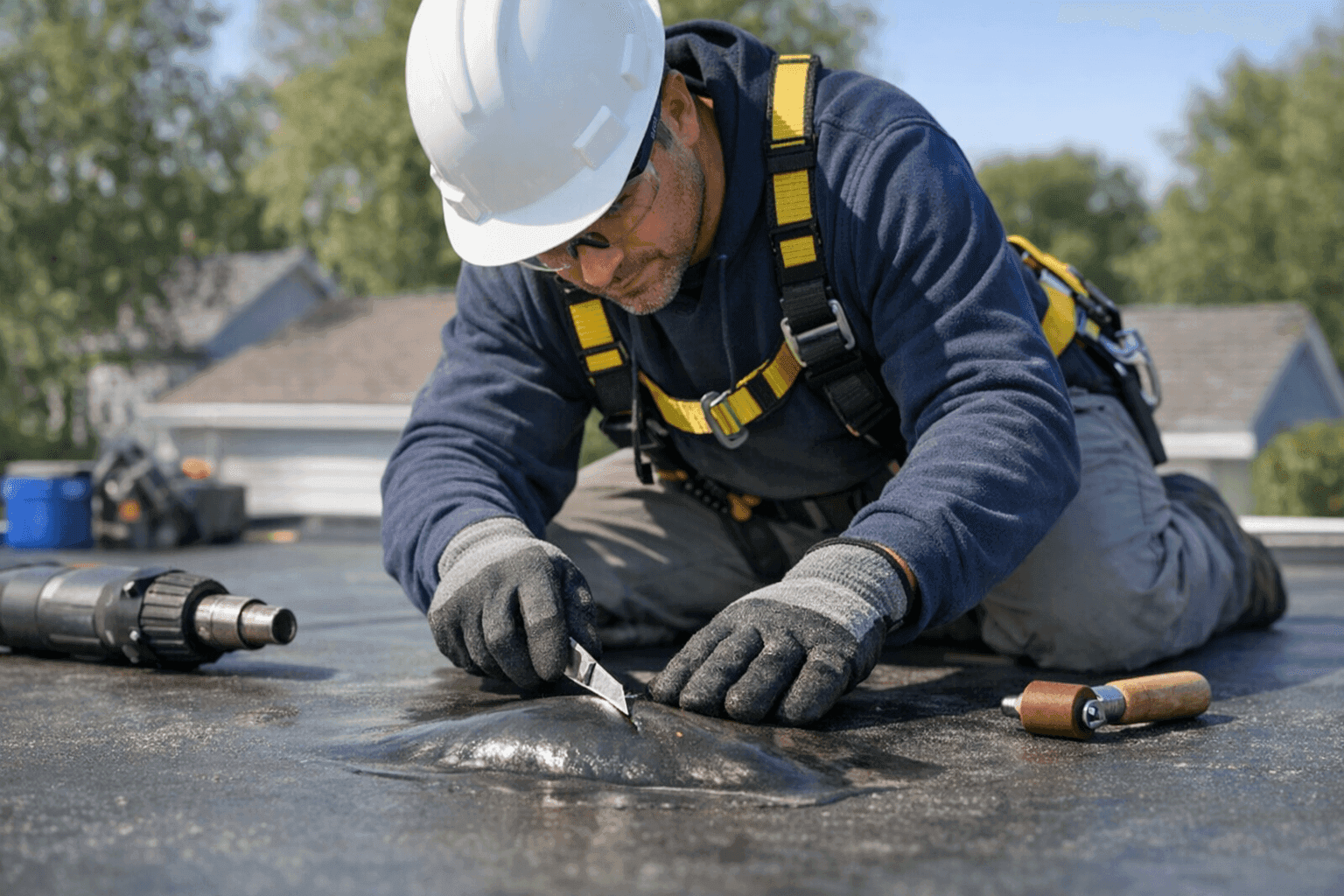
Does your roof have small bumps or bubbles that seem to pop up out of nowhere? You’re not alone. Blisters and bubbles are common, especially on flat roofs and older homes. They might seem harmless at first. But over time, these puffy spots can open the door to leaks, water damage, or bigger headaches if ignored.
At Overhead Roofing, we help homeowners take control of their roofing issues—before they become expensive problems. Understanding roof blistering and bubbling is the first step to keeping your home dry, safe, and sound.
What Is Roof Blistering and Bubbling? 🏠
Think of your roof like the skin on your arm. When something gets trapped underneath—like air or moisture—you might see a bump or bubble appear. Roof blistering and bubbling are just that: raised areas where the roof’s layers have separated slightly, creating pockets that swell up.
These blisters can show up on asphalt shingles, membranes, or even tile underlayments. On flat roofs, they’re especially common, as water can linger and heat can build up. While a single blister isn’t always cause for panic, clusters or growing blisters are a warning sign that your roof needs attention.
Why Blisters Form: Heat, Moisture, and Poor Adhesion
Blisters don’t just happen by chance. They’re usually the result of a few key culprits:
- Heat: Roofs take a beating from the sun. As temperatures rise, any air or moisture trapped beneath the surface expands, pushing the layers apart like a loaf of bread rising in the oven.
- Moisture: Water is sneaky. It can seep in during installation, from tiny leaks, or even from condensation. When trapped, it creates pressure—eventually lifting the roofing material.
- Poor Adhesion: If the roofing layers weren’t bonded properly, or if cheap adhesives were used, the bond can fail. This leaves weak spots where bubbles and blisters are more likely to form.
According to the National Roofing Contractors Association (NRCA), improper installation and ignoring manufacturer guidelines are two of the most common reasons for blistering.
How to Spot Roof Blisters Early
Catching blisters before they burst is like noticing a pothole before it becomes a crater. Here’s what to look for:
- Raised, puffy areas on shingles or flat roof membranes
- Soft spots when gently pressed (don’t poke too hard!)
- Clusters of blisters, especially after heavy rain or heatwaves
- Discoloration or uneven surfaces
If you see any of these signs, don’t ignore them. Early action can save you time, money, and stress.
Quick Safety Checklist Before You Inspect
Your safety comes first. Before climbing up, remember:
- Use a sturdy ladder that extends at least 3 feet above the roof edge.
- Wear non-slip shoes and avoid going up in wet or windy conditions.
- Have someone spot you from below.
- If your roof is steep, high, or you feel uneasy, call a professional.
It’s always better to be safe than sorry.
DIY vs. Call a Pro: When to Handle Blisters Yourself
Some minor blisters can be handled by a handy homeowner. If the blister is small, dry, and not leaking, you might try:
- Cleaning the area with a soft brush.
- Cutting a small slit to release trapped air (wear gloves and eye protection).
- Applying roof cement or patching compound, then pressing the surface flat.
- Adding a layer of Sealants and Coatings.
But if the blister is large, wet, leaking, or covers a wide area—especially on Flat Roofs—it’s best to call in the pros. Professionals can assess structural issues, check for hidden leaks, and ensure repairs last.
What Pros Do When They Arrive
When Overhead Roofing arrives, we follow a careful process:
- Inspect: We check the roof surface, flashing, gutters, and attic for signs of moisture or damage.
- Identify the Cause: Is it heat, moisture, or faulty installation? Our team looks for clues and traces the problem to its source.
- Remove Damaged Material: We carefully cut away the blistered section, making sure not to damage the layers below.
- Dry the Area: No repairs get done until the area is bone dry. Sometimes we use fans or absorbent materials to speed up the process.
- Patch and Seal: We bond new materials in place, using industry-approved adhesives and sealants.
- Finish: A final inspection ensures the repair blends in and water can’t sneak back in.
Preventing Future Blistering
The best way to deal with blisters? Stop them before they start. Here’s how:
- Proper Installation: Always hire trained, insured roofing specialists who follow manufacturer guidelines.
- Quality Materials: Use adhesives, membranes, and coatings rated for your climate and roof type.
- Ventilation: Make sure your attic or roof space can breathe. Good airflow prevents heat and moisture buildup.
- Regular Maintenance: Schedule annual inspections and cleanings. Catch small issues before they grow.
- Sealants and Coatings: Protective coatings can act like sunscreen for your roof, shielding it from UV rays and weather.
Seasonal Considerations: When Are Blisters Most Likely?
Blisters often show up after:
- Hot summers, when heat causes air and moisture to expand
- Heavy spring rains, which can sneak water into vulnerable areas
- Freeze-thaw cycles, where trapped moisture expands and contracts
It’s smart to check your roof each spring and fall, or after big storms.
Common Mistakes Homeowners Make
- Ignoring small blisters until they leak
- Patching over wet or dirty areas—repairs won’t stick
- Using the wrong sealant or glue for your roof type
- Walking on blisters, which can pop them open
If you’re ever unsure, reach out to pros who know roofing inside and out.
How Long Does It Take to Repair Roof Blisters?
Small repairs can be done in a few hours. Larger areas may take a day or two, especially if drying is needed. Most repairs don’t require you to leave your home, but it’s a good idea to clear driveways and keep pets inside during the work.
Costs and Budgeting
Repair costs depend on:
- The size and number of blisters
- Roof type (flat, shingle, tile, etc.)
- Materials needed for the patch
Preventative maintenance is almost always less expensive than a full roof replacement down the line. Keeping your roof in shape protects your biggest investment—your home.
When Is Roof Blistering an Emergency? 🚨
If you notice:
- Water leaking into your home
- Large areas of bubbling after a storm
- Damp spots on ceilings or walls
It’s time to act fast. Call for emergency roof repair to prevent further damage.
Materials and Equipment: What’s Used for Blister Repairs?
Pros use:
- Roofing knives and scissors for precise cuts
- Professional-grade adhesives and sealants
- Matching shingles or membrane patches
- Rollers to flatten and bond surfaces
- Protective coatings for lasting results
Always use products designed for your roof type. The wrong material can make things worse.
FAQs: Roof Blistering and Bubbling
Q: Do all blisters need to be fixed right away?
A: Small, dry blisters may not need immediate repair, but keep an eye on them. Anything growing, soft, or leaking should be fixed.
Q: Can new roofs get blisters?
A: Yes, especially if installed in cold, wet, or humid conditions, or if shortcuts were taken during installation.
Q: Will a roof coating stop blisters?
A: Quality Sealants and Coatings can help prevent future blisters, but won’t repair ones that already exist.
Final Thoughts: Protect Your Home from Blisters and Bubbles
A roof is more than just shingles and nails—it’s your home’s first line of defense. By keeping an eye out for blisters, taking quick action, and investing in quality repairs, you can avoid leaks and extend the life of your roof.
If you’re unsure what those bumps mean, or if you need help with roof repair, Overhead Roofing is ready to help with practical solutions for every type of residential roof.
Call Overhead Roofing now — or reach us anytime at 855-554-4704 .