How to Prevent Ice Dams on Your Roof This Winter
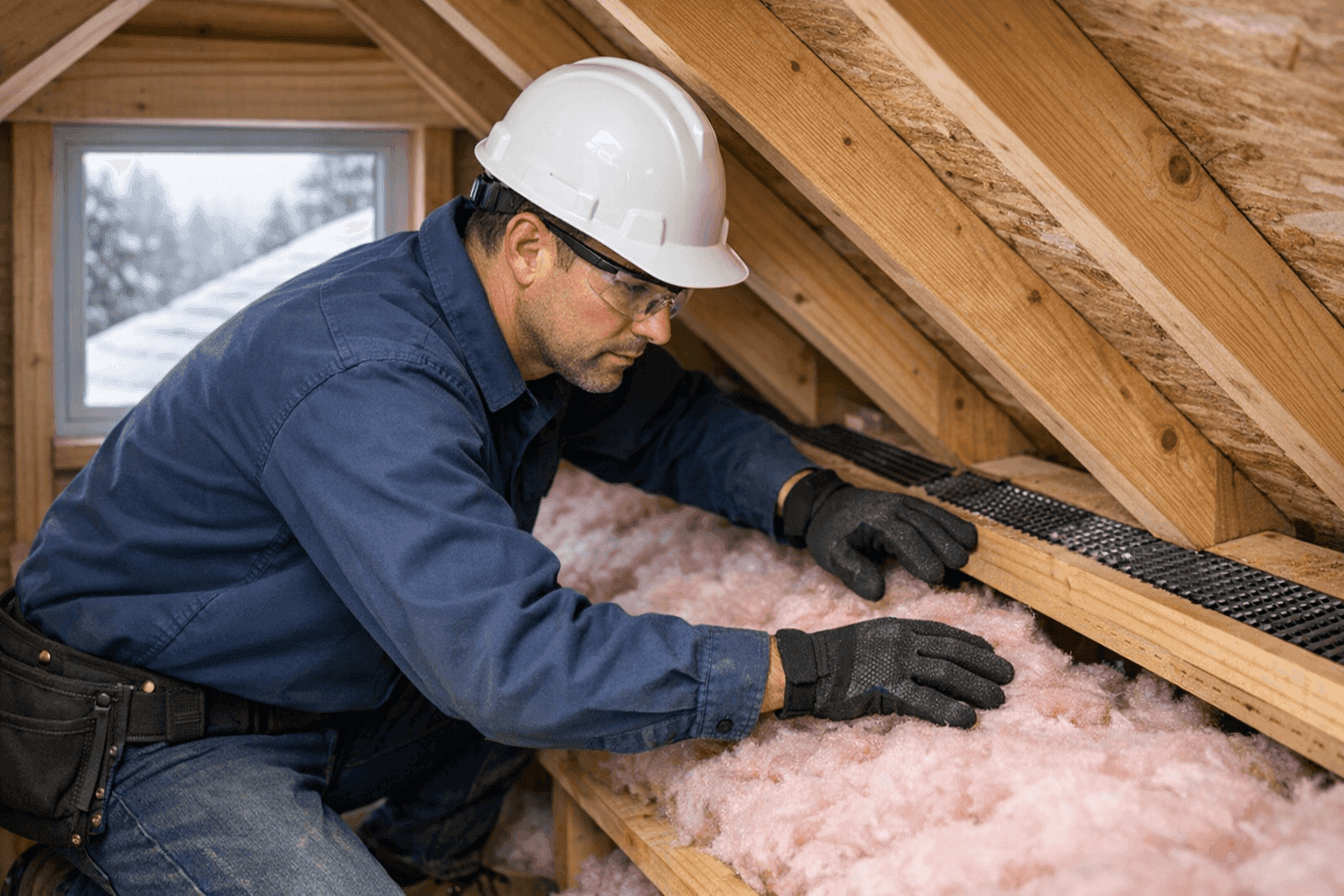
Winter brings more than chilly nights and cozy fires. It also brings hidden challenges for your roof—ice dams, which can turn a peaceful snowfall into a slow-moving disaster. If you've ever seen thick icicles dangling from the eaves, you know the worry they bring.
At Overhead Roofing, we've seen the headaches unchecked ice dams cause. The good news? You can prevent most winter roof damage with the right steps before the first big freeze. Let’s dig in.
What Are Ice Dams? 🧊
Ice dams are thick ridges of ice that form along the lower edge of your roof. Imagine a frozen speed bump trapping melting snow behind it. Instead of water running safely off the roof, it backs up under your shingles. From there, leaks can sneak into your attic, insulation, and walls—leaving behind water stains, mold, and peeling paint.
Ice dams are a silent threat. You might not notice damage until spring, when the snow melts and water stains bloom across your ceiling. That’s why prevention is key.
Why Ice Dams Form
It all comes down to temperature differences across your roof. Warm air rising from your living spaces can leak into your attic, warming the roof from underneath. Snow on the warm part of your roof melts, trickles down, and then refreezes at the colder eaves, where no heat escapes. Over time, this freeze-melt cycle builds up a dam of ice.
This process is like a leaky faucet dripping into a bucket—eventually, the bucket overflows. In the case of your roof, the “overflow” is water seeping under shingles and into your home.
The science is simple:
- Heat loss from a poorly insulated attic warms the roof.
- Cold eaves cause meltwater to freeze at the edges.
- Trapped water pools behind the ice, finding cracks and weak spots.
According to the International Association of Certified Home Inspectors (InterNACHI), proper insulation and ventilation are your best defenses.
Steps to Prevent Ice Dams
Taking action before winter sets in is the best way to keep your roof clear and dry. Here’s how:
1. Insulation: Your First Line of Defense
Good insulation acts like a winter hat for your house. It keeps warm air where it belongs—inside your home, not drifting up into the attic.
- Check your attic for gaps or thin spots. Aim for at least 12–14 inches of high-quality insulation.
- Seal air leaks around vents, plumbing pipes, and light fixtures. Even small gaps can let out a surprising amount of heat.
- Upgrade insulation if you notice uneven snow melting patterns on your roof.
For more tips on attic insulation and keeping your home energy-efficient, our Ventilation & Insulation service page has details.
2. Ventilation: Let Your Roof Breathe
Think of ventilation as your roof’s way of exhaling. It helps balance attic temperatures and keeps the roof surface cold—preventing that freeze-melt-freeze cycle.
- Install ridge vents or soffit vents to allow continuous airflow.
- Clear any obstructions (like old insulation or debris) from existing vents.
- Schedule a professional inspection to ensure your ventilation meets modern building codes.
Proper ventilation also helps prevent mold and ice buildup, making your roof last longer.
3. Gutter Care: Clear the Path
Clogged gutters and downspouts are like traffic jams for melting snow. Water backs up, freezes, and adds weight to your roof structure.
- Clean out leaves, twigs, and debris before the first snowfall. If you need help, our Gutter Cleaning team can handle it.
- Check for sagging or damaged sections—repair these to ensure proper drainage.
- Consider gutter guards to keep debris out and water flowing.
A little preventive gutter maintenance now saves big headaches later.
4. Regular Preventative Maintenance
Don’t let small problems become expensive repairs. Schedule seasonal inspections to catch issues early.
- Look for cracked shingles, lifted flashing, or blocked vents.
- Inspect your attic after storms for signs of moisture or frost.
- Trim overhanging branches that can drop debris onto your roof.
Our Preventative Maintenance plans are designed to keep your roof in top shape all year.
Warning Signs and Professional Solutions 🚩
Even with the best prep, ice dams can still form—especially after heavy snowfall or sudden temperature swings. Watch for these warning signs:
- Icicles growing along the roof’s edge—especially big, thick ones.
- Water stains on ceilings or walls inside your home.
- Peeling paint or bubbling plaster near exterior walls.
- A musty smell in the attic (a sign water is getting in).
If you spot any of these, don’t climb up with a shovel or chisel. It’s risky and can cause more damage. Instead, call a roofing specialist to assess the situation safely.
What Pros Do On Arrival
A professional roofer will:
- Use a roof rake to carefully remove snow.
- Apply calcium chloride ice melt (never rock salt, which damages shingles).
- Inspect attic insulation and ventilation for upgrades.
- Suggest long-term fixes, like additional insulation or improved venting.
The National Roofing Contractors Association (NRCA) recommends only qualified roofers handle ice dam removal and repairs.
Quick Safety Checklist
Before winter:
- Inspect your attic insulation and ventilation.
- Clean gutters and downspouts.
- Trim nearby tree branches.
- Schedule a professional roof inspection.
During winter:
- Watch for icicles and ice buildup.
- Use a roof rake from the ground to clear snow after storms.
- Stay off the roof—leave dangerous work to the pros.
DIY or Call a Pro?
Some homeowners try melting ice dams with hot water, chisels, or salt. These methods can damage shingles or gutters, and put your safety at risk. If you’re unsure, it’s always best to bring in a roofing professional with the right tools and experience.
When It’s an Emergency
If you notice sudden leaks, bulging ceilings, or water pouring from light fixtures, act fast. Shut off electricity to affected areas and call for emergency roofing services immediately. Quick action can prevent major structural damage.
Costs and Time Factors
Preventing ice dams is more affordable than repairing water damage. Insulation upgrades, gutter cleaning, and ventilation improvements can cost a few hundred to a few thousand dollars, depending on your roof size and needs. Water damage repairs, on the other hand, can run into the tens of thousands.
Most preventative work can be done in a day or two, minimizing disruption to your daily routine.
Common Mistakes to Avoid
- Ignoring attic ventilation. Even a well-insulated attic needs airflow.
- Using salt or chemical deicers not meant for roofs. These can corrode metal and hurt plants.
- Delaying gutter cleaning. One missed fall cleanup can set the stage for winter problems.
- Trying to chip away ice yourself. This can damage shingles and lead to injury.
Seasonal Considerations
Plan ahead. Early fall is ideal for insulation checks, attic sealing, and gutter cleaning. Don’t wait for the first snow—by then, it’s often too late.
If you’re in the area and searching for reliable roofing services, our roofing company in Santa Fe can help with everything from insulation to gutter maintenance.
FAQ: Ice Dams and Your Roof
Q: Will ice dams damage my roof every winter? Not if you take preventative steps. Proper insulation, ventilation, and gutter care break the freeze-melt cycle and protect your home.
Q: Are ice dams only a problem for older homes? No. Even newer homes can have insulation gaps or venting issues. Regular inspections are important no matter your roof’s age.
Q: Can I prevent ice dams permanently? While you can’t control the weather, you can control your roof’s defenses. Upgrades to insulation, ventilation, and gutter systems offer long-lasting protection.
Conclusion: Keep Your Roof Safe This Winter
Ice dams don’t have to be part of your winter story. With smart planning, a little maintenance, and the right roofing support, you can keep your home dry, comfortable, and damage-free all season long.
Call Overhead Roofing now — or reach us anytime at 855-554-4704 .