How to Prepare Your Roof for Hurricane Season
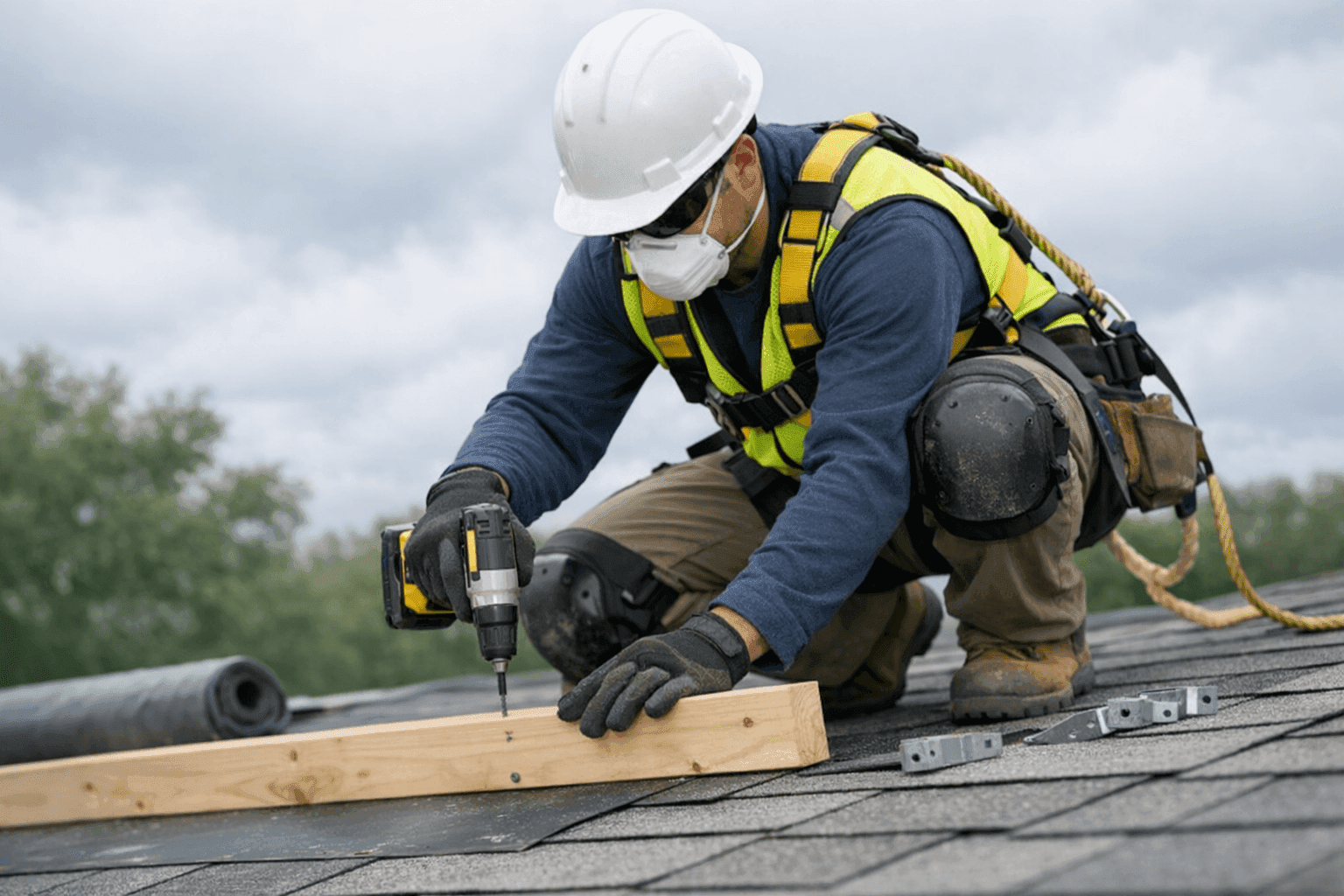
Every year, hurricane season arrives like an unwelcome guest—loud, unpredictable, and ready to test the strength of your home’s roof. If you’re a homeowner, you know the anxiety that comes with storm warnings. At Overhead Roofing, we understand what’s at stake: your safety, your shelter, and your peace of mind.
You don’t need a crystal ball to see that preparation is key. A roof isn’t just shingles overhead—it’s your first line of defense when storms roll in. Let’s walk through the steps to make sure your roof is ready to weather whatever comes its way.
Why Hurricane Prep Matters 🌬️
Imagine your roof as a sturdy shield. When a hurricane hits, it stands between your family and howling winds, driving rain, and flying debris. A small weakness—a missing shingle, a loose flashing—can turn into a gaping hole in just minutes. According to the Federal Emergency Management Agency (FEMA), most hurricane-related home damage starts with roof failure.
It's not just about avoiding leaks. Water intrusion can destroy insulation, spark electrical problems, and invite mold. Insurance claims take time; repairs can drag on for months. Investing a little time now in hurricane prep pays off in safety and savings down the line.
Key Steps to Protect Your Roof
Preparation isn’t just a box to check. It’s a process—one that can save you from major headaches later.
1. Schedule a Professional Inspection
Don’t wait for the first storm clouds. Book a Inspections with a trusted roofing company. Professionals spot trouble you might miss: hidden cracks, soft spots, or worn-out sealants.
2. Secure Loose Materials
Walk around your home and yard. Remove branches that hang over your roof. Secure (or store) patio furniture and garden tools that could become airborne missiles.
3. Check and Repair Flashing
Roof flashing—those thin metal strips around chimneys, vents, and valleys—are frequent weak points. Bent, loose, or rusted flashing lets water sneak in. If you see signs of damage, schedule preventative maintenance immediately.
4. Reinforce Roof Decking
If your roof is older, ask about reinforcing the decking (the surface under your tiles or shingles). Extra fasteners, hurricane straps, and modern adhesives can make all the difference.
5. Clean Gutters and Downspouts
Clogged gutters are like blocked arteries for your roof. Water backs up, soaks into fascia and soffits, and spills onto your foundation. Schedule gutter cleaning and downspout repair before the rains arrive.
6. Trim Trees and Remove Debris
Trim back tree limbs. Even healthy branches can snap in high winds, tearing shingles or punching holes through your roof.
7. Inspect Skylights and Vents
Skylights and roof vents are common leak zones. Check seals and flashing for gaps, cracks, or signs of aging. Repair or replace as needed.
8. Inspect for Missing or Damaged Shingles
Curling, cracked, or missing shingles create an invitation for wind and water. Replace them now—before a storm rips them off for good.
9. Consider Impact-Resistant Materials
If you’re due for roof replacement, ask about impact-rated shingles or tiles. They’re built to stand up to hail and debris.
Emergency Supplies and Safety Plan
You can’t stop a hurricane, but you can be ready. Keep these essentials on hand:
- Heavy-duty tarps and roof repair tape
- Hammer, nails, and waterproof sealant
- Emergency contact list (including your roofing contractor)
- Flashlights, batteries, and a basic first-aid kit
- Important documents stored in a waterproof container
- Portable phone charger
If a storm is forecast, charge your devices and keep your weather radio close. Review your family’s safety plan—know where to shelter in your home and what to do if your roof is compromised.
After the Storm: What to Check
Once the skies clear, it’s tempting to breathe a sigh of relief. But this is when hidden damage can show up.
Visual Inspection
Walk around your home, binoculars in hand. Look for:
- Missing shingles or tiles
- Exposed or bent flashing
- Debris piled on the roof
- Sagging sections or visible holes
- Damaged gutters or downspouts
Don’t climb onto the roof if it’s wet or unstable. If you suspect serious trouble, call for professional help.
Inside Your Home
Check ceilings and attic spaces for:
- Water stains or drips
- Damp insulation
- Peeling paint or bubbling plaster
Catching leaks early means less long-term damage.
Document Damage for Insurance
Take photos of any issues before you start cleanup. Save receipts for emergency repairs. Most insurers require prompt notification after a storm.
If you need help with Storm Damage Restoration, Overhead Roofing is here to assist.
Prevention & Maintenance: The Year-Round Approach
Hurricane season may be the main event, but regular maintenance is the undercard that keeps your roof in fighting shape. Schedule annual Inspections to spot small problems before they become big ones.
Regular cleaning, timely repairs, and keeping your gutters clear can add years to your roof’s life. The National Roofing Contractors Association (NRCA) recommends professional inspections at least twice a year—especially before and after hurricane season.
Quick Safety Checklist
- Are gutters and downspouts clear?
- Is tree trimming up to date?
- Any loose or missing shingles?
- Has flashing been inspected and repaired?
- Are emergency repair supplies on hand?
Check these boxes before the first storm warning.
DIY vs. Call a Pro
Some prep tasks, like clearing gutters or trimming small branches, are safe for DIY. But for roof repairs, flashing, tile replacement, or anything that involves climbing on the roof, it’s best to call a qualified roofing contractor. Safety comes first—no roof is worth risking a fall.
What Pros Do On Arrival
When Overhead Roofing arrives, we:
- Inspect for hidden leaks and weak spots
- Check for code compliance (per local and International Building Code standards)
- Secure or replace flashing and shingles
- Advise on emergency repairs and longer-term upgrades
- Offer honest advice—never overselling, always focused on your safety
Costs & Time Factors
Preventative maintenance is almost always less expensive than emergency repairs. Minor fixes—like replacing a few shingles or re-sealing flashing—can be done quickly. Major repairs, like decking reinforcement or a full roof replacement, take longer and should be planned ahead of storm season.
When It’s an Emergency
If your roof starts leaking during a storm, move valuables out of harm’s way and contain water with buckets or towels. Once it’s safe, call for emergency roofing services. Fast action can prevent further water damage or structural issues.
Seasonal Considerations
Hurricane season starts June 1 and runs through November 30, but don’t let your guard down outside those months. Spring is the perfect time for roof inspections and maintenance—before summer storms arrive.
Common Mistakes
- Waiting until a storm is imminent
- Ignoring small leaks or loose shingles
- Skipping annual inspections
- Forgetting to update insurance or emergency contact info
Stay proactive. A little effort now can save you major stress (and expense) later.
Signs of Trouble
- Water stains on ceilings or walls
- Musty smells in the attic
- Granules collecting in gutters (from worn shingles)
- Visible daylight through the roof boards
These are early warning signs. Don’t wait until water is pouring in.
Materials & Equipment
Modern roofing materials—impact-resistant shingles, hurricane straps, and reinforced flashing—can dramatically improve storm resilience. If you’re considering roof replacement, ask about the best options for hurricane-prone areas.
Timeline & Disruption
Most preventative maintenance tasks can be done in a day or two, with minimal disruption. Larger projects, like roof replacement, may take a week or more. Plan ahead to avoid last-minute rushes—contractors book up quickly before storm season.
FAQ: Hurricane Roof Prep
Q: How often should I check my roof for hurricane readiness?
A: At least twice a year—once before hurricane season, once after.
Q: Will my insurance cover hurricane roof damage?
A: Most policies cover storm damage, but requirements vary. Review your policy and document your roof’s condition with photos.
Q: What if I have skylights or a flat roof?
A: Both require special attention! Check seals and flashing carefully, as these areas are more vulnerable.
A hurricane may be fierce, but preparation is your strongest shield. For help with preventative maintenance, inspections, or storm damage restoration, Overhead Roofing is just a call away.
Call Overhead Roofing now — or reach us anytime at 855-554-4704 .