How to Prepare Your Roof for Winter Weather
Winter is just around the corner. You can feel it in the air—the first chill, the early sunsets, the scramble to find gloves in the back of the closet. But while you’re pulling out your winter coat, your roof is about to face its own battle against snow, ice, and freezing rain.
At Overhead Roofing, we know your home is more than just walls and a roof. It’s where memories are made and where you keep your family safe. That’s why prepping your roof before the winter rush isn’t just smart—it’s essential.
Why Winter Prep Matters ❄️
Imagine your roof as a shield. All year, it fends off sun, wind, and rain. But winter? That’s when the real test begins. Ice dams, heavy snow, and sudden thaws can find even the smallest weakness. A neglected roof doesn’t just let in the cold. It can let in leaks, drafts, and costly repairs.
According to the International Association of Certified Home Inspectors (InterNACHI), most winter roof failures start with small issues that could have been fixed in autumn. Waiting too long means risking water damage, insulation problems, and even structural repairs.
Early action saves money, stress, and sometimes even the holiday plans. A little prep now can make all the difference when the snow really hits.
Key Steps Before Freezing Temps
Not sure where to start? Break it down into simple, manageable steps. Think of it like getting your car ready for a road trip—one detail at a time.
Clearing Gutters, Inspecting Flashing, Sealing Gaps
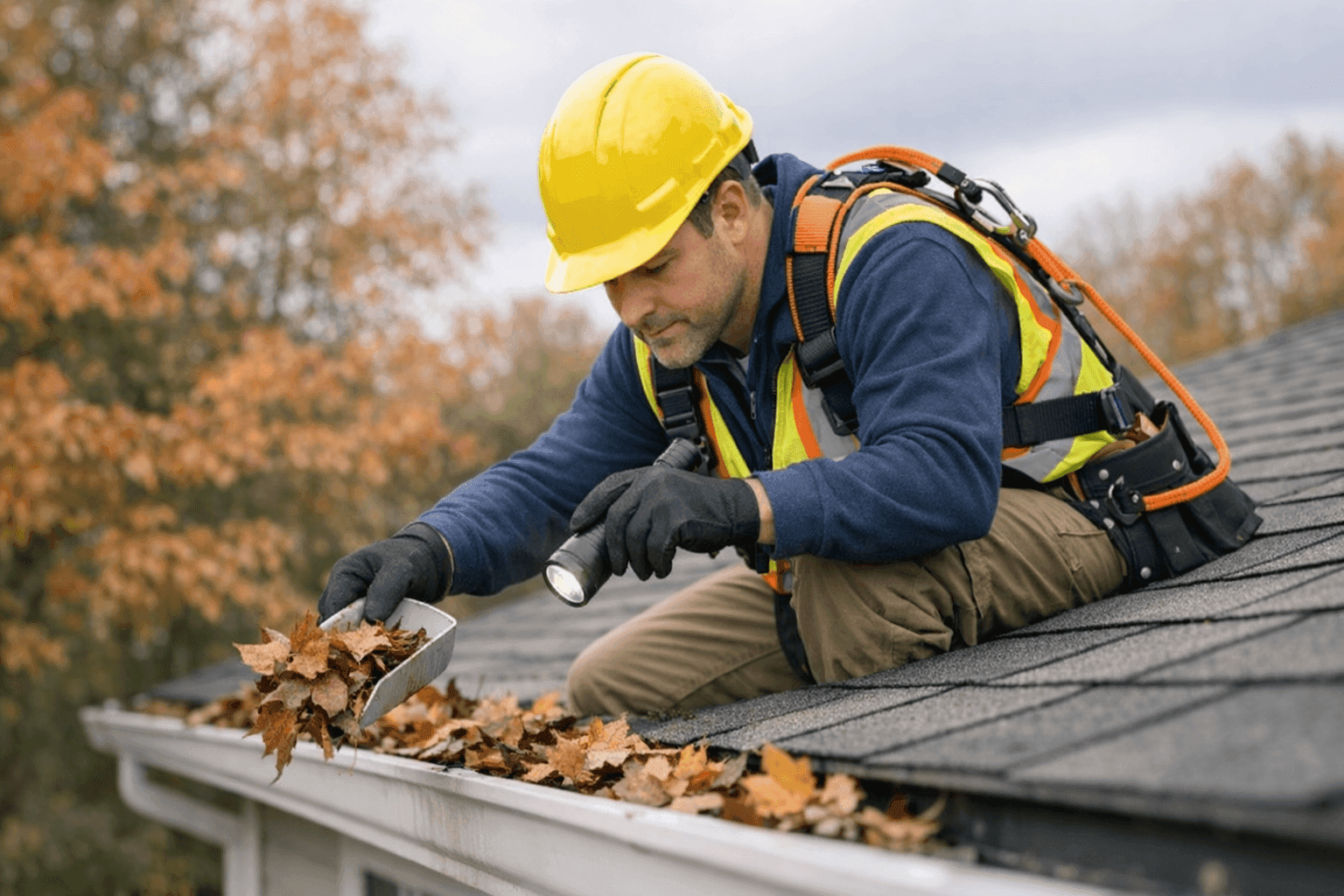
- Clean those gutters: Leaves, pine needles, and twigs can clog up your gutters and downspouts fast. When they’re blocked, melting snow backs up and seeps under shingles. Grab gloves and a ladder—or call in a pro if heights aren’t your thing.
- Inspect the flashing: The thin metal strips around chimneys, skylights, and vents are your roof’s secret defenders. Look for rust, cracks, or lifted edges. Even a small gap can become a leak when ice starts to form.
- Seal up gaps: Walk your home’s perimeter and peek into the attic. If you spot daylight peeking in or feel a draft, it’s time to seal those gaps. Caulk and weatherstripping are your best friends here.
Each step is small, but together, they build a solid defense against winter’s worst.
Signs Your Roof Isn't Ready for Winter
Sometimes your roof tries to warn you. Are you listening? Here’s what to watch for:
- Curling or missing shingles—especially after a windy fall.
- Granules from asphalt shingles collecting in gutters.
- Rusted, loose, or missing flashing.
- Water stains on ceilings or attic beams—a sure sign something’s leaking.
- Sagging gutters or downspouts, often weighed down by debris.
- Moss or algae growth, which can trap moisture and lead to rot.
Spot these clues early? That’s your cue to act—before snow makes the situation harder (and pricier) to fix.
Safety First: A Quick Roof Check
Before you climb that ladder, think safety. Wet leaves and frost make rooftops slick. If you’re not comfortable or you lack the right gear, call a professional instead.
- Use a sturdy ladder on a flat surface.
- Wear rubber-soled boots for grip.
- Never work alone—always have someone nearby.
- Watch for overhead power lines.
The National Roofing Contractors Association (NRCA) recommends leaving steep or high roofs to the pros. Your safety is worth more than any repair.
DIY or Call a Pro?
Some folks love a good DIY project. Cleaning gutters or checking for loose shingles can be safe for confident homeowners with one-story houses. But when it comes to flashing repairs, skylight leaks, or anything requiring a harness, it’s time to bring in a roofing specialist.
If you’re unsure, trust your gut. A professional eye can catch hidden damage and advise on the best fix.
What the Pros Do on Arrival
When you call Overhead Roofing, here’s what to expect:
- A thorough inspection—inside and out.
- Checking for soft spots, hidden leaks, and insulation gaps.
- Examining skylights, vents, and flashings for winter vulnerabilities.
- Offering practical, budget-friendly solutions. No upsell. Just what you need.
Our team follows safety codes and best practices from groups like the Occupational Safety and Health Administration (OSHA). Your peace of mind is as important as your roof’s integrity.
Prevention & Maintenance: Stay Ahead
Winter prep isn’t just a once-a-year event. Regular preventative maintenance keeps your roof in top shape, season after season.
- Schedule annual inspections. Early fall is ideal, but late autumn still works if you act fast.
- Keep gutters free of debris all year, especially after storms.
- Trim overhanging branches. They drop leaves and can snap under snow weight.
- Address small repairs immediately—don’t wait until spring.
The True Cost of Waiting
Putting off roof prep is like skipping oil changes in your car. Sure, you save money now. But when the engine seizes, you’ll wish you’d acted sooner.
- Emergency repairs cost more—especially in winter.
- Water damage can ruin insulation, drywall, and even your belongings.
- Insurance claims may be denied for neglected maintenance.
The best investment is prevention. An hour today can prevent a week of headaches in January.
When It’s an Emergency
Sometimes, winter throws a curveball. Tree limbs crash down. Heavy ice causes a sudden leak. If you face urgent issues, call our roof repair team right away.
Fast action limits damage and helps keep your family safe and comfortable.
FAQ: Winter Roof Prep
Q: How often should I clean my gutters before winter?
A: At least twice—once in late fall and again after the last leaves drop.
Q: What’s the biggest winter risk for roofs?
A: Ice dams and hidden leaks. Both can cause water to back up under shingles and into your attic.
Q: Can I use rock salt to melt roof ice?
A: No—salt can damage shingles and corrode flashing. Use a roof rake for gentle snow removal instead.
Seasonal Considerations
Not every winter is the same. Some years bring heavy snow, others more rain and freeze-thaw cycles. Watch the forecast and adjust your prep as needed.
If you live in an area with lots of snow, consider adding extra insulation and roof ventilation. This keeps the attic cool, reducing ice dam risks.
Common Mistakes to Avoid
- Waiting until the first snow to inspect your roof.
- Ignoring small leaks or missing shingles.
- Using a pressure washer—this can damage shingles and force water under them.
- Forgetting the attic: poor insulation and ventilation can make winter problems worse.
Timeline & Disruption: What to Expect
Most prep work takes a few hours to a day, depending on your roof’s size and condition. Professional inspections are quick and usually don’t disrupt your daily routine.
If repairs are needed, our team works efficiently—so you can get back to normal fast.
Materials & Equipment
Pros use:
- Heavy-duty ladders
- Rubber-soled boots and safety harnesses
- Flashlight for attic checks
- Caulk, sealant, and weatherstripping
- Roof-safe snow rakes (for heavy snow areas)
You don’t need every tool in the shed—just the right ones for your specific job.
Why Overhead Roofing?
We know every home is unique. Whether you have shingle, tile, or metal roofing—or need “Tile Roofing near you”—our team has seen it all. We help homeowners stay ahead of winter, one roof at a time.
If you live near Kansas City, our roofing services include Inspections, Preventative Maintenance, and year-round support. We’re here when you need us.
Ready for Winter? Take Action Today
A solid roof is your best defense against winter’s surprises. Don’t leave it to chance—or to the first big storm.
Call Overhead Roofing now — or reach us anytime at 855-554-4704 .