New Construction Roofing: What Every Homeowner Should Ask
Are you building your dream home? The excitement is real—but so are the decisions. The roof above your family isn’t just a finishing touch. It’s the shield that stands between your investment and the forces of nature.
At Overhead Roofing, we’ve seen how the right choices early on can save years of headaches. Before you break ground on that new home, let’s talk about the questions every homeowner should ask about new construction roofing.
Key Roofing Decisions for New Homes 🏠
A new build is a blank slate. Every choice matters, but roofing tops the list—literally and figuratively. The roof determines energy efficiency, curb appeal, and long-term maintenance.
Think about:
- The climate and weather swings in your area.
- Your home’s design—modern, classic, or somewhere in between.
- Local building codes (the International Residential Code sets minimum standards).
- Longevity: Will this roof outlast your plans for the home?
Missing even a single detail can lead to problems down the line. That’s why a thorough plan—and an open dialogue with your roofer—are critical.
Choosing the Right Materials and Design
The material you pick sets the tone for your roof’s lifespan and performance. It’s more than just “what looks good from the street.” It’s about function, value, and sometimes, neighborhood requirements.
Popular options include:
- Shingle Roofing: Affordable and versatile.
- Tile Roofing: Durable and great for hot climates.
- Metal Roofing: Long-lasting and low-maintenance.
- Flat Roofs: Modern look, but require special waterproofing.
Your roof’s pitch and design affect everything from drainage to attic ventilation. Don’t just pick what’s trending—consider how your choices will handle hail, heavy rain, or even wild temperature swings.
Questions to Ask Your Roofer
Don’t be shy. Your roofer should welcome questions. Here are some to get the conversation started:
- What’s the recommended roofing material for my area and home design?
- How will the roof be ventilated and insulated?
- What’s the expected lifespan of this material?
- Who handles inspections and code compliance?
- How will you protect my property (driveways, landscaping) during installation?
- What warranties are available—on both materials and installation?
- How do you handle weather delays or unexpected issues?
For a deeper dive, ask about the process for New Roof Installation and regular Inspections.
Avoiding Common New Build Roof Mistakes 🚫
Even the best blueprints can hit snags. Here are pitfalls we see most often:
- Ignoring attic ventilation: Poor airflow leads to mold and higher cooling costs.
- Skipping underlayment: This hidden layer is your backup defense against leaks.
- Not planning for gutters and downspouts: Water should never pool near your foundation.
- Choosing the wrong flashing: Chimney flashing and roof flashing repair matter more than you think.
- Settling for “builder grade” materials: These may meet code but rarely stand the test of time.
Be proactive. Ask your roofing company to walk you through their checklist. You’d be surprised how many issues are avoidable with a little foresight.
Laying the Groundwork: Construction Safety and Codes
Roofing isn’t just about shingles and tiles. Safety comes first—for workers and for your family. Reliable contractors follow OSHA guidelines and local permit requirements.
Ask about fall protection, debris management, and how the team will keep your build site safe throughout the project. Want more peace of mind? Look for roofers who document inspections and follow best practices from sources like the National Roofing Contractors Association.
DIY vs. Professional Roofing: What’s Really At Stake?
Installing a roof on a new home isn’t like swapping out a mailbox. It’s a complex puzzle. Every piece—decking, flashing, ventilation, insulation—must fit just right.
DIY might seem tempting, but a misplaced nail or missed code requirement can lead to leaks, voided warranties, or worse. Professional roofers bring the know-how, equipment, and insurance to handle the unexpected.
What Pros Do On Arrival
The first day on site sets the tone. A good roofing crew will:
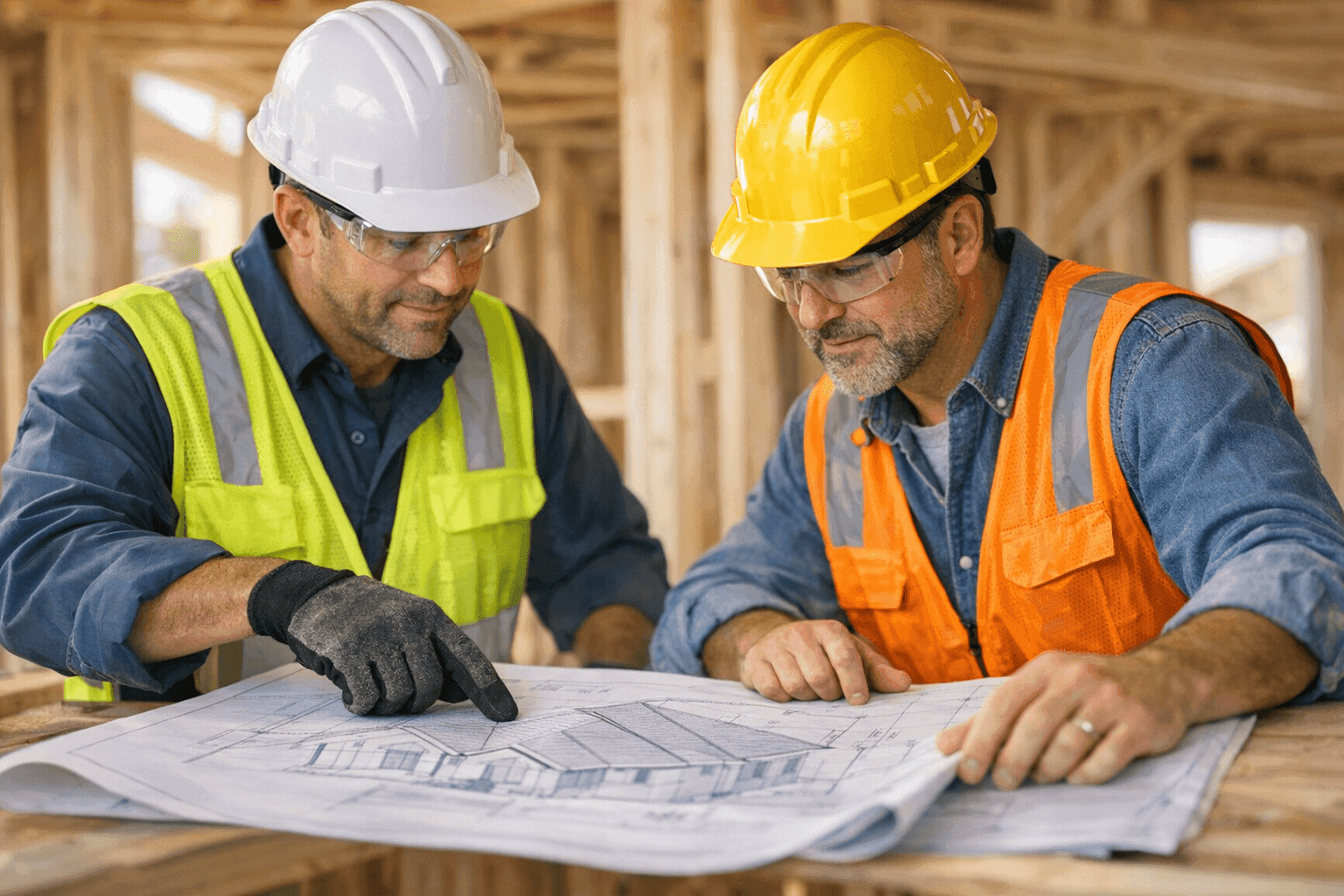
- Review blueprints with your builder.
- Inspect the frame and decking for issues.
- Confirm material deliveries and storage.
- Set up safety barriers and protect landscaping.
- Walk you through the schedule and daily milestones.
You should feel informed, not left in the dark. Communication is key.
Preventative Maintenance: Thinking Long-Term
It’s easy to focus on construction, but your roof needs care from day one. Preventative maintenance—like routine inspections and timely repairs—can double your roof’s life.
Schedule annual checkups. Keep gutters clean. Address minor issues before they become major headaches. A stitch in time really does save nine.
Roof Flashing & Leak Defense
Flashing is the unsung hero of your new roof. It’s what keeps water from sneaking in around chimneys, vents, and skylights. When installed right, it’s invisible. When it fails, you’ll feel it—usually in the form of a mysterious drip.
Ask your roofer what materials they use for flashing, and how they approach tricky spots like valleys or skylight edges.
Skylights, Ventilation & Insulation
Dreaming of sunlit mornings? Skylight installation is popular in new builds. But it must be paired with proper flashing and insulation to avoid leaks and heat loss.
Ventilation is just as important. Without it, your attic becomes a sauna in summer and a condensation trap in winter. Your roof needs to breathe as much as you do.
Timeline & Disruption: What to Expect
Roofing isn’t an overnight job. Weather, materials, and inspections can all affect the timeline. Ask for a realistic schedule and what happens if the unexpected strikes—a sudden storm, for example.
Expect some noise and activity, but a professional crew keeps disruption to a minimum and leaves your site tidy at day’s end.
Costs & Budgeting: No Surprises
No two roofs—or budgets—are alike. Your quote should spell out materials, labor, permits, and any extras (like skylights or custom flashing). Ask about payment schedules, deposits, and what’s included.
A clear contract now avoids misunderstandings later.
Emergency Services & Storm Readiness
Mother Nature doesn’t wait for a convenient time. If you’re building in an area prone to storms or hail, consider impact-resistant materials and a plan for emergency roof repair.
Some homeowners choose sealants and coatings for added protection. Discuss these options with your roofer before the first shingle goes down.
Gutter and Downspout Details
Gutters and downspouts are your home’s drainage system. They protect foundations, landscaping, and siding from water damage. Plan their placement and size early—don’t let them be an afterthought.
Ask about gutter guards or eco-friendly options that reduce maintenance for years to come.
Eco-Friendly Roofing Options 🌱
Thinking green? Today’s roofs can do more than keep water out. Cool roofs, recycled shingles, and solar-ready options all help the environment and can lower energy bills.
Discuss what’s available—and what makes sense for your design and climate.
Seasonal Considerations for Your New Roof
Weather impacts installation. Extreme cold or heat can affect how materials set. Schedule your new roof during moderate weather when possible, and ask your roofer how they handle bad weather days.
A quick tip: If you’re searching for Tile Roofing near you, ask about installation best practices for your local climate.
Inspections: The Final Step
Before you move in, a thorough inspection is a must. This isn’t just a formality—it’s your assurance that every shingle, seam, and flashing piece is up to par.
Choose a roofing contractor who stands by their work and offers detailed inspection reports. If you’re in the area, our roofing services can help ensure every detail is right.
FAQ: New Construction Roofing
How long will my new construction roof last?
With the right material and regular maintenance, 20-50 years is common.
Can I upgrade my roofing later?
Some upgrades, like adding solar panels, are easier if planned from the start.
What’s the best way to spot problems early?
Schedule annual inspections and keep an eye on attic moisture or visible leaks.
Who handles code compliance?
Your roofing company should coordinate with your builder and local inspectors.
Signs of Trouble to Watch For
Even a brand-new roof can develop issues if corners are cut. Watch for:
- Missing or misaligned shingles or tiles
- Unsealed flashing or exposed nail heads
- Poor attic ventilation (moisture, mold, musty odors)
- Water stains on ceilings after the first heavy rain
Catch these early, and you’ll avoid bigger headaches down the road.
Your Roof, Your Rules
Your new home deserves a roof that’s built to last. Ask the right questions. Understand each step. And partner with a roofing team who puts your interests—and your family—first.
Ready to talk about your new build?
Call Overhead Roofing now — or reach us anytime at 855-554-4704 .