Metal Roofing for Homes: Are They Worth the Hype?
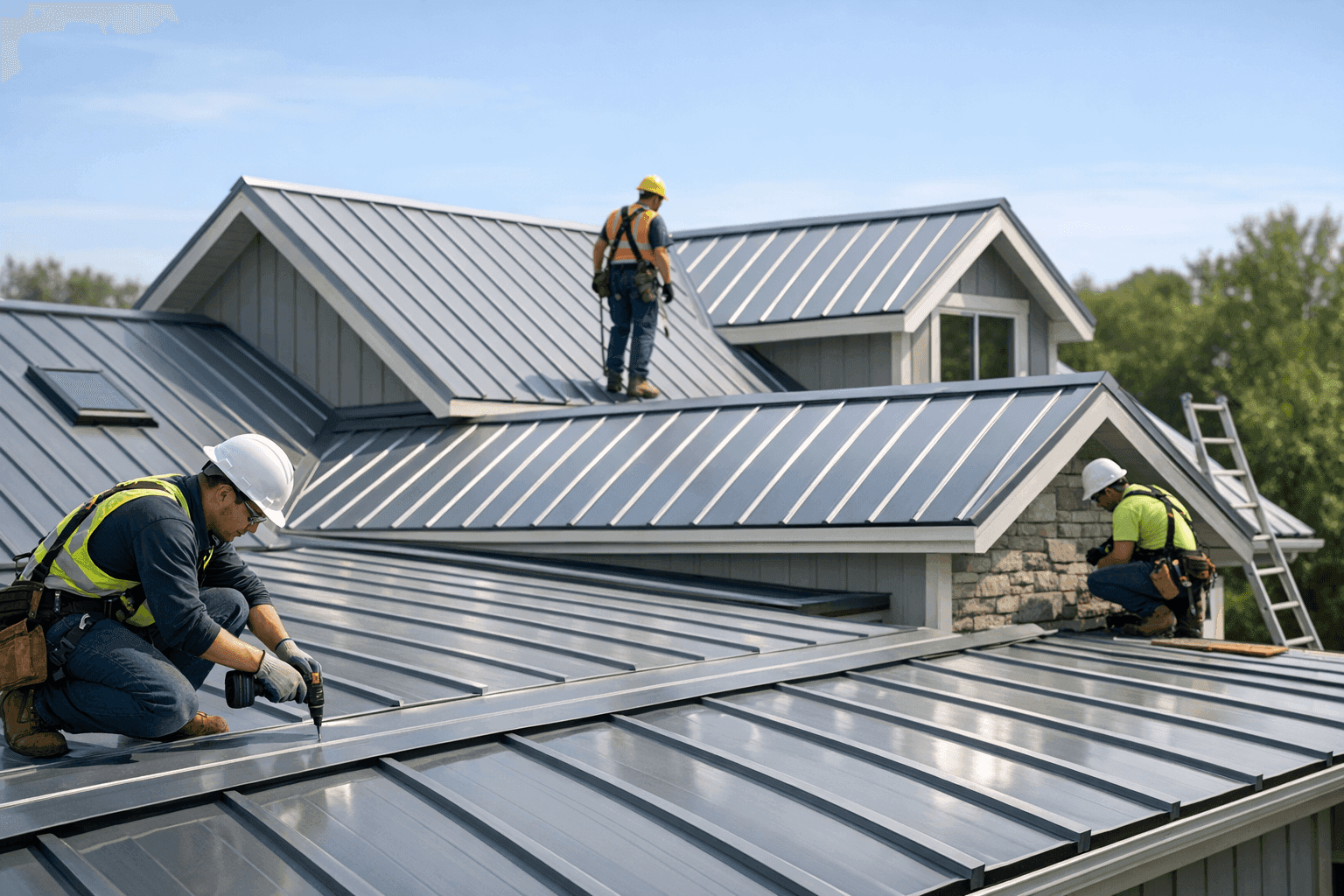
Are you thinking about a new roof, but feeling overwhelmed by the choices? It's not just shingles or tiles anymore. Metal roofing is everywhere in home design magazines, but is it really worth the buzz?
At Overhead Roofing, our team hears this question every week. Homeowners want honest answers, not sales hype. Let’s break it all down, so you can decide what’s right for your home and your family.
What Is Metal Roofing? 🏡
Metal roofing is exactly what it sounds like—a roof made primarily from metal materials. The most common metals used are steel, aluminum, copper, and zinc. These panels or shingles are engineered to interlock and shed water, protecting your home from rain, snow, and wind.
Homeowners often picture big, shiny, corrugated panels like on a barn. But residential metal roofing has come a long way. Today’s styles mimic traditional shingles, slate, or even clay tiles, so you don’t have to sacrifice curb appeal.
Key Advantages: Why Homeowners Choose Metal
Durability That Lasts
Metal roofing is like the tortoise in the old story—slow and steady, but it wins the race. While asphalt shingles may need replacing every 15–20 years, a quality metal roof can last 40–70 years with proper care.
- Resists cracking, shrinking, and eroding
- Handles severe weather, including hail and high winds
- Won’t rot or grow moss like wood
According to the Metal Construction Association, these roofs stand up to even the harshest climates.
Energy Efficiency: Keeping Your Home Cooler
Metal reflects much of the sun’s heat, rather than absorbing it. This can help keep your attic and entire house cooler—especially in hot summers. The U.S. Department of Energy notes that metal roofs with proper coatings can reduce cooling costs by 10–25%.
Fire Safety: A Serious Bonus
Metal roofing is fire-resistant, meeting the highest fire ratings (Class A). This means embers from wildfires or stray fireworks are less likely to ignite your roof.
Drawbacks of Metal Roofing
Noise: Rain’s Drumbeat
Many homeowners worry about metal roofs being noisy in a rainstorm. It’s true—if you don’t have proper attic insulation or underlayment, you might feel like you’re inside a snare drum. However, most modern installations include sound-dampening layers that keep things peaceful.
Upfront Cost: Sticker Shock
Metal roofing can cost two to three times more than asphalt shingles upfront. For many families, that’s a big hurdle. The investment pays off over decades, but it’s a serious consideration if you plan to move soon.
Aesthetics: Not Everyone’s Taste
Some folks love the sleek, modern look. Others prefer traditional shingles or rustic tiles. While there are more style choices than ever, metal isn’t for everyone.
Comparing Metal to Shingle and Tile Roofing
Let’s put it simply. Asphalt shingles are like the trusty sedan—affordable, reliable, and everywhere. Tile roofing is your classic convertible—timeless, beautiful, but heavy and pricey. Metal roofing? Think high-end SUV: tough, energy-efficient, and built for the long haul.
| Feature | Metal Roofing | Shingle Roofing | Tile Roofing | |--------------------|---------------------|-------------------------|------------------------| | Lifespan | 40–70 years | 15–25 years | 50–100 years | | Cost (Installed) | High | Low | High | | Weight | Light | Light | Very Heavy | | Energy Efficiency | Excellent | Fair | Good | | Maintenance | Low | Moderate | Low | | Weather Resistance | Excellent | Good | Excellent |
When Is Metal Roofing a Smart Choice?
- You plan to stay in your home for many years.
- Your area experiences high winds, hail, or wildfires.
- You want to reduce energy bills.
- The look matches your home and taste.
If you’re in a historic neighborhood, check with local codes or your HOA before making the leap.
Safety Checklist: Before You Choose Metal
- Check attic insulation. Good attic insulation quiets rain and boosts energy efficiency.
- Review building codes. Make sure metal is allowed in your area.
- Confirm roof pitch. Some metal styles require a minimum slope for water runoff.
- Ask about warranties. Understand what’s covered (material, finish, installation).
Visit resources like the International Residential Code (IRC) for up-to-date roofing safety guidelines.
DIY or Call a Roofing Pro?
Metal roofing installation isn’t a weekend DIY project. It requires special tools, safety gear, and careful attention to detail. Even a small error can lead to leaks or void warranties.
If you need a hand or want a professional opinion, Overhead Roofing offers metal roofing and roof replacement done right, by trained teams who know the materials inside and out.
What Happens During Installation?
Here’s what you can expect:
- Inspection and Preparation: Old roofing is removed. The deck is checked for rot or damage.
- Underlayment: A water-proof layer is installed, offering a safety net against leaks.
- Panels/Shingles: Metal is measured and cut to fit. Panels or shingles are fastened securely, with careful attention to flashing and edges.
- Final Details: Trim, gutters, and ventilation are finished for a watertight roof.
This process often takes less time than tile or slate, minimizing disruption to your household.
Cost Factors: What Impacts Price?
- Material type: Aluminum and steel are less expensive than copper or zinc.
- Roof complexity: More valleys, skylights, or chimneys = higher labor cost.
- Finish/coating: Premium paint systems add to long-term durability.
- Removal of old roof: Some cities allow installation over one layer of shingles; others require full tear-off.
We recommend getting a detailed estimate and asking questions until you’re comfortable.
Maintenance Tips: Keeping Metal Roofs Performing
Metal roofs are low-maintenance, but not maintenance-free. Here’s what to keep in mind:
- Clear gutters and downspouts regularly to avoid water pooling.
- Inspect flashing after major storms.
- Look for scratches or dents (especially after hail).
- Schedule an annual inspection to catch small issues before they become headaches.
If your roof has accessories like skylights or chimney flashing, keep an eye on those, too.
Are Metal Roofs Eco-Friendly?
Yes. Most metal roofing is made from recycled materials and is 100% recyclable at the end of its life. Some products qualify for cool roof tax credits, depending on your region.
Choosing metal can reduce landfill waste compared to asphalt shingles, which often end up in dumps after replacement.
Common Mistakes to Avoid
- Choosing the cheapest product: Not all metal roofs are created equal. Thin panels may dent easily.
- Ignoring ventilation: Proper attic ventilation is crucial for any roof to last.
- Skipping professional installation: Improperly installed panels can lead to leaks, rust, or roof noise.
Metal Roofs in All Seasons
- Winter: Snow slides off easily, reducing ice dam risk.
- Summer: Reflects heat, lowering cooling costs.
- Storms: Holds up against hail, wind, and heavy rain.
Just make sure your gutters and downspouts are in good shape to handle runoff.
Signs Your Home Is Ready for a Metal Roof
- Your current roof is near the end of its life.
- You’re dealing with frequent leaks or storm damage.
- You want a modern update or improved energy efficiency.
- You’re planning a major renovation or addition.
How Metal Roofing Impacts Home Value
A quality metal roof often increases resale value. Buyers appreciate longevity, safety, and lower utility bills. According to Remodeling Magazine, metal roofing can recoup 60%–85% of its cost at resale.
Local Considerations: Is Metal Right for Your Area?
Climate matters. In coastal areas, aluminum is preferred for salt resistance. In regions with heavy snow, standing seam panels help shed buildup. Always check with your local roofing contractor for advice on what works best where you live.
Final Thoughts: Should You Go Metal?
Metal roofing isn’t for everyone, but it’s a strong choice for many homes. Think of it as an investment—one that pays off in peace of mind, protection, and even style.
Ready to explore your options? Overhead Roofing is here to answer your questions and help you choose the right roof for your needs.
Call Overhead Roofing now — or reach us anytime at 855-554-4704 .