How to Choose the Right Roofing Contractor
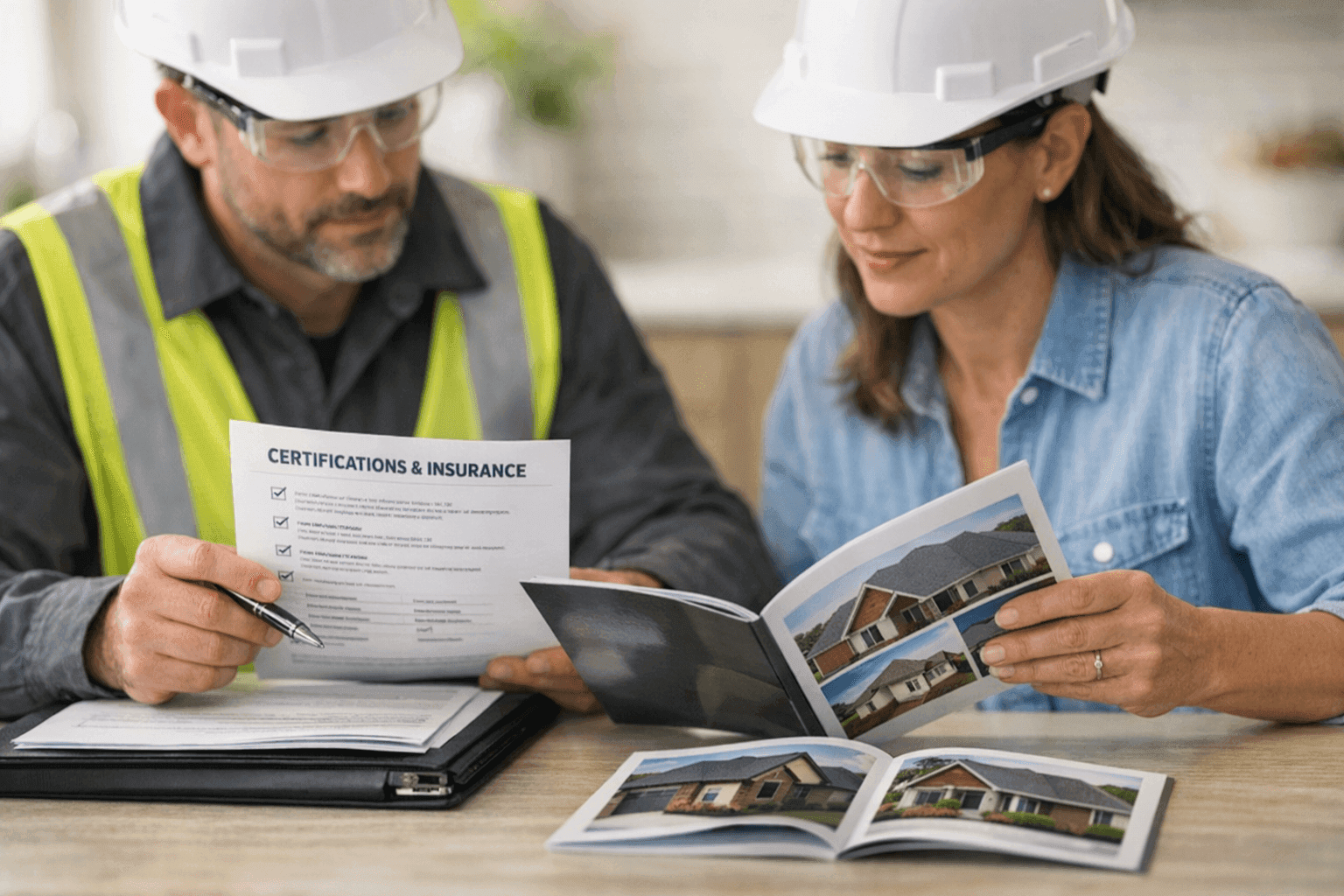
Does picking a roofing contractor feel like walking a tightrope? You’re not alone. Your home’s roof isn’t just shingles and nails—it’s your first line of defense against stormy weather, leaks, and costly surprises. The stakes are high, and the wrong choice can haunt you for years.
At Overhead Roofing, we've helped homeowners just like you sort fact from fiction when hiring for everything from Tile Roofing near you to emergency repairs. Below, we break down what you really need to know—before, during, and after you choose a contractor.
Traits of a Reliable Roofer 🏠
A good roofer is more than a truck and a ladder. Look for these traits before you even request a quote:
- Clear Communication: They answer your calls, show up on time, and explain things in plain language.
- Local Experience: A contractor who knows your neighborhood’s climate, building codes, and common roofing problems is invaluable.
- Transparency: Reliable roofers share their process, timeline, and costs up front. No vague answers or shifting promises.
- Strong Portfolio: They should have before-and-after photos, not just words. Ask to see recent projects, especially work similar to yours.
- Positive Reviews: Check independent sites and listen for recurring themes—good or bad. One-off complaints happen, but patterns are telling.
Red Flags to Watch For
- Big pressure to “sign today.”
- No permanent office address.
- Hesitation to share references.
- Vague about licensing or insurance.
- Demands for large cash deposits.
A trustworthy contractor makes you feel comfortable, not cornered.
Must-Ask Questions
Before you let anyone climb your roof, sit down for a real conversation. Here’s what to ask—and why the answers matter:
- How long have you been in business? Longevity says a lot about reliability.
- Can you explain your process for [Tile Roofing near you] or [roof repair]? Look for step-by-step clarity, not hand-waving.
- Who will supervise the job? You want a name and direct contact, not “whoever’s available.”
- What’s your safety record? Good contractors follow OSHA safety standards and don’t cut corners.
- How do you handle unforeseen issues? Leaks, wood rot, or weather delays—listen for thoughtful, honest responses.
Take notes. Compare. The best roofers welcome your questions.
Checking Credentials
Credentials aren’t just paperwork—they’re peace of mind. Take these steps to verify a roofer is the real deal.
Insurance
Ask for current certificates. A reputable roofing contractor carries both liability insurance (for property damage) and worker’s compensation (for injuries). No insurance? No deal. This protects you from paying out of pocket if something goes wrong on your property.
Licensing
Most states (and many cities) require a roofing license. For example, Arizona requires contractors to hold a license through the Registrar of Contractors. Don’t just take their word—ask for the license number and check it with the issuing agency.
References
Request at least three local references from the last year. Call them. Ask about:
- Timeliness and professionalism.
- How surprises were handled.
- Cleanliness of the job site.
- Overall satisfaction.
A solid contractor like Overhead Roofing is proud to connect you with satisfied homeowners.
Comparing Bids: More Than Just Dollars
Getting three bids is smart, but the lowest price doesn’t always mean the best value.
- Materials: Are they quoting for architectural shingles or basic 3-tabs? Is underlayment included? For Tile Roofing near you, is the flashing new or reused?
- Scope: Do all bids cover tear-off, disposal, and site cleanup?
- Warranty: What’s covered—and what isn’t? Manufacturer warranties are one thing; workmanship is another.
Remember: If a bid seems too good to be true, it probably is. Cheap jobs often cut corners on materials or labor. Quality lasts longer.
Quick Safety Checklist
Roofing is dangerous. Before work begins, check these basics:
- Are workers using fall protection? (Look for harnesses and guardrails.)
- Is equipment in good repair?
- Is the crew following local safety rules? (OSHA guidelines are a trusted resource.)
- Are ladders and scaffolds stable and properly placed?
A safe site isn’t just about workers—it protects your family and property, too.
DIY vs. Call a Pro
Patching a shingle might look easy on YouTube. But roofing is one place where DIY can cost you—literally. Without the right tools, safety knowledge, and experience, you risk injury and hidden damage. For inspections, leak repair, and especially full residential roofing, always bring in a pro.
What Pros Do On Arrival
Expect a thorough assessment, not a quick glance from the driveway. Here’s what a professional roofer will do:
- Inspect shingles, tiles, or metal for wear and damage.
- Check flashing, chimneys, and skylights for leaks.
- Assess gutters and downspouts for clogs or damage.
- Look in your attic for signs of moisture, mold, or poor ventilation.
A reputable contractor will explain findings in simple terms and recommend solutions—not scare tactics.
Prevention & Maintenance
Don’t wait for a leak to act. Preventative maintenance extends your roof’s life and saves money over time.
- Clean gutters and downspouts at least twice a year.
- Schedule annual inspections with a qualified roofer.
- Address minor repairs early (missing shingles, cracked tiles, loose flashing).
- Trim overhanging branches.
Catching small issues early is like fixing a slow leak in your boat before it sinks.
Costs & Time Factors
How much does a new roof cost? It depends—materials, labor, roof size, pitch, and local conditions all play a role. Be wary of bids that seem oddly low or high. Ask for a breakdown:
- Material costs (shingles, tiles, underlayment).
- Labor charges.
- Permitting fees.
- Disposal and cleanup.
Most residential roof replacements take a few days. Bad weather can stretch timelines. A good roofer keeps you updated every step.
When It’s an Emergency
Storm damage, sudden leaks, or fallen trees need fast action. First, stay safe—move valuables, avoid wet ceilings, and call a professional immediately. Overhead Roofing offers rapid response for emergencies, including tarping and temporary repairs.
FAQ: Homeowner Roofing Questions
How often should I replace my roof?
Most asphalt shingle roofs last 15–30 years. Tile and metal can last much longer with proper care.
Is a permit required?
Usually, yes. Your contractor should handle permits and inspections per local codes.
What about storm chasers?
Be wary of out-of-town crews after major storms. Choose a roofing company rooted in your community.
Seasonal Considerations
Some roofing work is best done in dry, mild weather. Spring and fall are often ideal for major projects. Winter repairs can be tricky (and pricier) due to safety concerns and material limitations.
Common Mistakes to Avoid
- Choosing solely on price.
- Ignoring credentials.
- Delaying repairs until leaks are visible inside.
- Forgetting about attic ventilation and insulation.
- Skipping annual inspections.
These slip-ups can turn a small fix into a major headache.
Signs of Trouble
Not sure if your roof needs attention? Look for:
- Curling, missing, or cracked shingles/tiles.
- Granules in gutters.
- Rusted or loose flashing.
- Water stains on ceilings or walls.
- Moss or mold growth.
If you spot any of these, call a roofing professional for a closer look.
Timeline & Disruption
Roofing is noisy and messy, but a good contractor minimizes disruption. They’ll cover landscaping, clean up debris, and keep you posted on progress. Ask about start and finish times, and plan for pets or sensitive family members.
Materials & Equipment
Ask about the brands and products used. High-quality underlayment, proper flashing, and ventilation systems matter as much as the visible shingles or tiles. For eco-friendly options, inquire about cool roofs, recycled materials, or solar integration.
Why Overhead Roofing?
We combine years of experience with a commitment to clear communication, safety, and honest advice. From residential roofing to storm restoration and everything between, we’re here to guide you every step of the way.
Ready to Talk Roofing?
Your roof is too important to leave to chance. Have questions or want to schedule an assessment?
Call Overhead Roofing now — or reach us anytime at 855-554-4704 .