How Skylights Impact Your Roof: Benefits and Risks
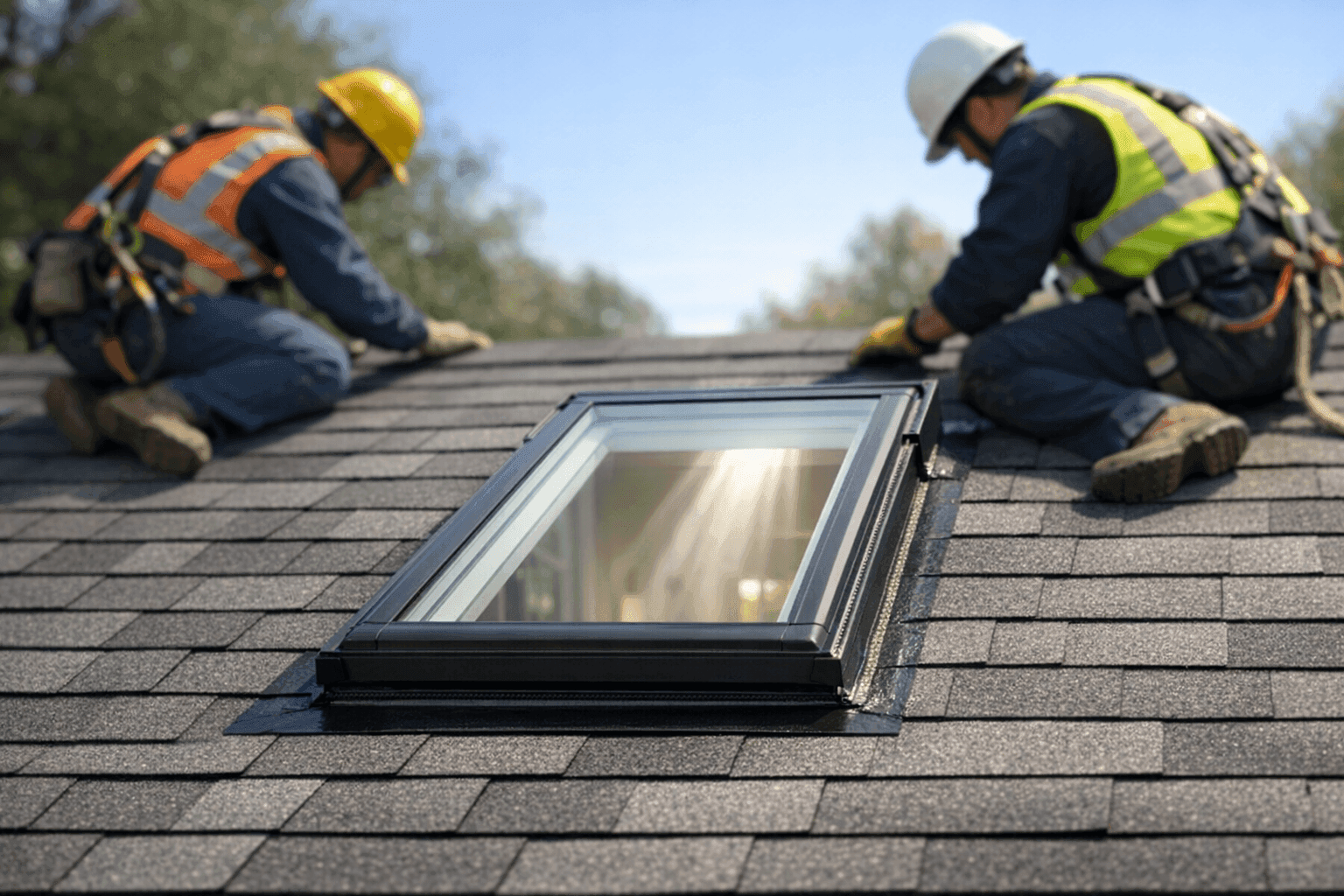
Have you ever stood in a sunlit room and felt your mood instantly lift? Skylights bring that feeling home. But while they open up your world to more daylight, they also open up your roof to new challenges.
At Overhead Roofing, we know the excitement a skylight brings—and the headaches a poor installation can cause. Let’s break down what to expect, whether you’re considering a new skylight or caring for one that’s already there.
How Skylights Affect a Roof
A skylight isn’t just a window in your ceiling. Cutting into your roof means changing how your home keeps out rain, wind, and heat. It’s a bit like adding a new door to a fortress wall; everything gets brighter, but the risks shift.
When installed properly, skylights fit seamlessly into your roofing system. But if shortcuts are taken or the wrong materials are used, leaks and drafts can sneak in. The National Roofing Contractors Association (NRCA) recommends using quality flashing and following strict building codes to maintain your roof’s defenses.
Benefits of Adding Skylights: More Than Just Light 🌞
Why do so many homeowners dream of skylights? Here’s what they can bring to your home:
- Natural Light: Rooms feel bigger and more alive. Less need for artificial lighting during the day.
- Ventilation: Many skylights open, letting fresh air chase out stuffiness and moisture.
- Energy Efficiency: With sunlight pouring in, you may use less electricity for lights and even heating in chilly months.
- Home Value: Skylights often boost curb appeal and make interiors more inviting, catching the eye of future buyers.
Potential Drawbacks: Leaks, Heat Loss, and More 💧
Every rose has its thorns—and skylights are no exception. Here are the biggest risks:
- Leaks: The number-one concern. Water can find any gap and turn your ceiling into a soggy mess.
- Heat Loss: Glass doesn’t insulate like a solid roof. In winter, warmth may escape unless you choose the right glass and seals.
- Glare and Fading: Too much sun can bleach your furniture or make screens hard to see.
- Condensation: In humid climates, water droplets may form on the inside, leading to mold or damage.
Preventing Skylight Problems
Worried about leaks or drafts? Most issues can be avoided with smart planning and regular care.
- Choose the Right Materials: Go for double-pane, low-E glass and durable flashing.
- Professional Installation: Don’t DIY this one. Even a small mistake can lead to big leaks. Our skylight-installation team makes sure every detail is watertight.
- Routine Checks: Inspect the skylight and surrounding roof at least twice a year. Look for cracked seals, debris, or signs of water stains inside.
- Sealant Maintenance: Roof sealants age over time. Touch up or replace as needed to stay ahead of leaks.
Quick Safety Checklist Before Installation
- Check building codes: Some towns limit skylight size or placement. Always verify.
- Review roof structure: Rafters must support the skylight without weakening the roof.
- Plan for drainage: Water should flow away, not toward, the skylight edge.
- Select impact-resistant glass: Especially in areas prone to hail or falling branches.
DIY vs. Call a Pro: What’s Really at Stake?
Installing a skylight is like open-heart surgery for your home. It’s tempting to try it yourself, but mistakes aren’t easily patched. Misaligned flashing, poor seals, or bad placement can mean years of leaks.
A professional uses specialized tools and follows manufacturer instructions to the letter. They’ll also spot structural red flags that most DIY guides miss. If you notice foggy glass, water stains, or drafts, skylight-repair from a pro is your best bet.
What Pros Do on Arrival
When our crew arrives for a skylight repair or installation, here’s what happens:
- Full inspection of the roof and attic.
- Careful planning of the skylight opening—avoiding wires, pipes, and weak rafters.
- Use of high-quality flashing and waterproof membranes.
- Leak tests before we call it done.
Costs & Time Factors
- Installation: Most residential skylights take a day or two to install, depending on roof type and weather.
- Repairs: Minor leak repairs can be done in hours, but water-damaged ceilings or insulation may take longer.
- Budget: Costs vary. Simpler models with fixed glass cost less. Opening skylights and custom sizes cost more.
According to the International Association of Certified Home Inspectors (InterNACHI), the right installation can last decades with minimal upkeep.
When It’s an Emergency
If you spot water dripping from your skylight during a storm, don’t wait. Protect valuables, place a bucket, and call for leak-repair fast. Water can spread quickly, affecting insulation, wiring, and even structural supports.
Seasonal Considerations
- Spring/Summer: Pollen and dust can cloud your skylight. Clean both inside and out.
- Fall: Watch for falling leaves that can clog gutters and trap moisture around the skylight frame.
- Winter: Ice dams can push water under flashing. Make sure insulation and ventilation are up to code (see the U.S. Department of Energy’s guidelines).
Common Mistakes Homeowners Make
- Ignoring small leaks or condensation, hoping they’ll go away.
- Using indoor caulk or unsuitable sealants outside.
- Overlooking regular gutter cleaning, which leads to water pooling near the skylight.
- Choosing the wrong spot—installing under a tree or where snow piles up.
Signs of Trouble: What to Watch For
Look for:
- Water stains around the skylight frame or ceiling.
- Cracks in the glass or fog between panes.
- Warped drywall or peeling paint.
- Drafts you can feel on windy days.
Catching these early can save you from bigger repairs later.
Timeline & Disruption: What to Expect
Installing a skylight is noisy and dusty, but it’s usually over within two days. Repairs are quicker, often just a few hours. Your home will be protected with tarps and plastic barriers to keep the mess minimal.
Materials & Equipment That Matter
- Double or triple-pane glass for insulation.
- Aluminum or copper flashing for a snug, weatherproof fit.
- Roof sealant rated for all weather.
- Safety harnesses and protective gear for the crew (per OSHA regulations).
FAQ: Skylight Edition
Q: Can any roof support a skylight?
Most can, but flat roofs and heavy tile roofing may need extra care.
Q: Will it make my room too hot?
Not with the right glass and careful placement.
Q: How often do skylights leak?
With proper installation and routine checks, leaks are rare.
Q: Are there eco-friendly options?
Yes—solar-powered venting skylights and low-emissivity coatings help save energy.
Keeping Skylights Worry-Free
A skylight is a long-term investment in light, air, and comfort. Protect it like you would a prized window or a cherished piece of art. And if you’re ever unsure, reach out for a licensed inspection—especially before the rainy season.
If you’re in need of reliable Skylight Repair, our team is standing by.
Call Overhead Roofing now — or reach us anytime at 855-554-4704 .