How Often Should You Schedule a Roof Inspection?
Is your roof overdue for a checkup? The truth is, most homeowners don't think about their roof until something goes wrong. By that point, a small problem—like a missing shingle—can become a big, expensive headache.
At Overhead Roofing, we know the value of timing. Regular roof inspections are like oil changes for your home: simple, affordable protection that keeps you safe, dry, and stress-free.
Why Inspections Matter 🏠
A roof does more than top your house. It shields everything beneath—from the family photos in the attic to the kitchen table where you gather each night. Without regular inspections, even the toughest shingles can lose their fight against wind, rain, sun, and time.
Think of your roof as a raincoat. If you never check it for rips, you'll only find out there's a problem when you're already soaked.
Benefits of regular roof inspections:
- Catch leaks and weak spots before they cause major water damage
- Extend the lifespan of your roofing materials
- Identify ventilation issues that could raise energy bills
- Spot early signs of storm or pest damage
- Protect your investment and your peace of mind
The National Roofing Contractors Association (NRCA) and the International Association of Certified Home Inspectors (InterNACHI) both stress that regular roof inspections are essential for every home—regardless of age or style.
Typical Inspection Schedules
How often should you really schedule a Inspections? The answer depends on your roofing material, your home's age, and your environment. Here’s a rule of thumb:
- Standard schedule: Once a year, ideally in spring or fall
- After severe weather: Immediately following hail, heavy wind, or major storms
- Before buying or selling a home: Always get a professional assessment
- Older roofs: Twice a year, or more as needed
A quick annual check is usually enough for newer roofs, but older homes or those with past repairs need more frequent attention.
New vs. Old Roofs
- New Roofs: For the first five years, a yearly inspection is usually enough—unless a storm rolls through.
- Old Roofs: If your roof is 10+ years old, schedule every six months. Old roofs are like classic cars: beautiful, but they need extra care.
Post-Storm Checks
After a big storm, even brand-new roofs can suffer. Hail, high winds, or flying debris may leave damage you can’t see from the ground. Always call for an inspection after major weather events—even if everything looks fine at first glance.
Factors Affecting Frequency
Not all roofs age at the same pace. Several factors can speed up wear and tear:
- Roofing material: Tile Roofing near you may last longer than basic asphalt shingles, but both should be checked regularly.
- Climate: Wet, windy, or icy areas are harder on roofs.
- Nearby trees: Overhanging branches can rub or drop debris.
- Previous repairs: Areas that have been patched are more likely to fail again.
- Ventilation: Poor airflow can lead to moisture and mold issues.
If your home checks more than one of these boxes, consider moving to a spring and fall inspection schedule.
What Inspectors Look For
Roof inspectors are like detectives—their job is to find clues before damage becomes obvious. Here’s what they examine during a professional inspection:
- Shingles or tiles: Look for cracks, curling, or missing pieces.
- Flashing: Ensure metal edges around chimneys and vents are sealed tight.
- Skylights and chimneys: Inspect for leaks or worn seals.
- Gutters and downspouts: Check for blockages, rust, and leaks.
- Decking: Probe for soft spots or water damage beneath the surface.
- Ventilation: Confirm that vents are clear and working.
- Attic: Look for signs of water, mold, or daylight peeking through the roof boards.
- Sealants and coatings: Inspect for cracks or peeling.
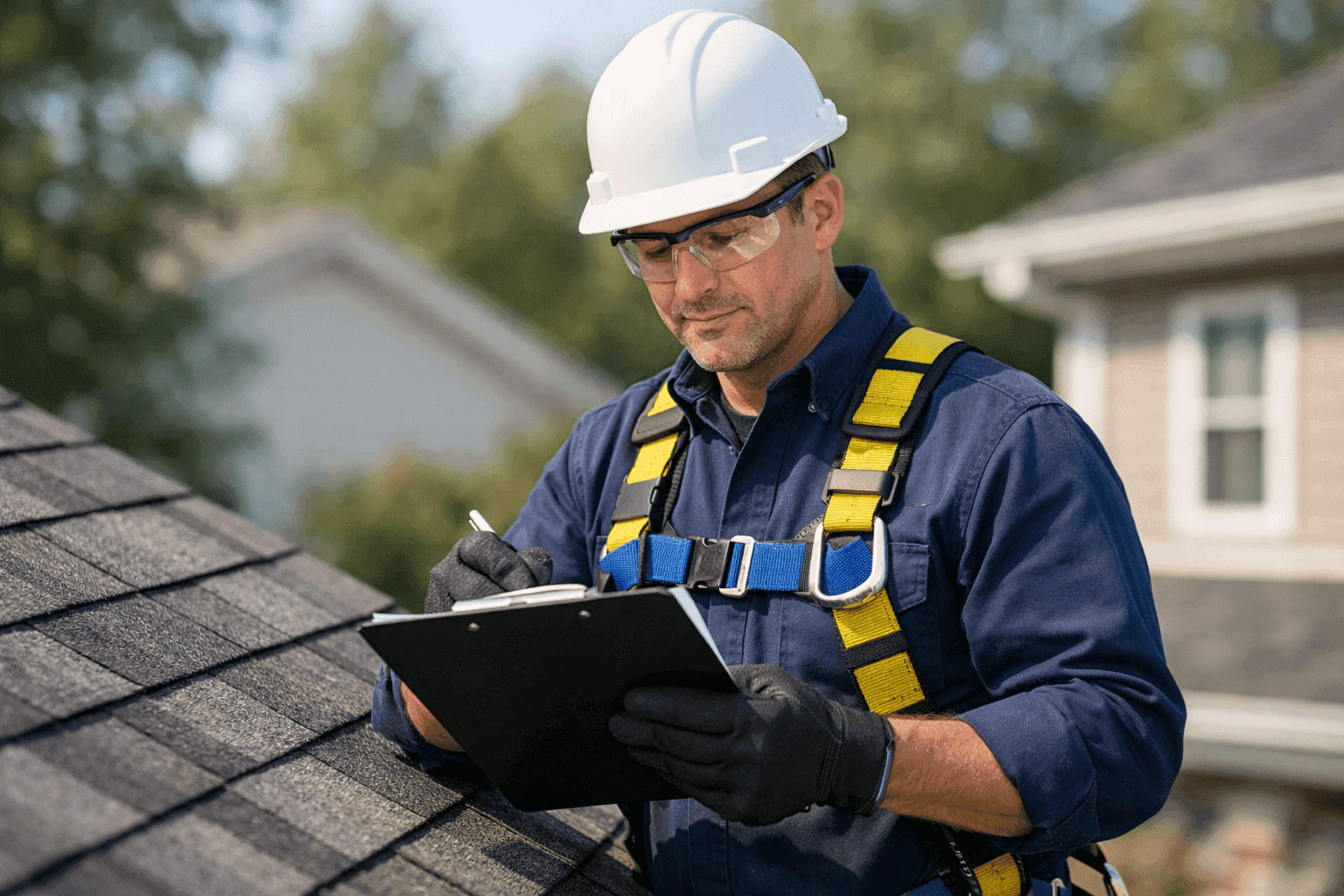
A thorough inspector won’t just eyeball your roof from the street. They’ll climb up, check every corner, and take photos so you can see what they see.
Common Signs You Need an Inspection
Even between scheduled checkups, watch for these red flags:
- Water stains on ceilings or walls
- Missing, loose, or damaged shingles
- Granules in gutters (from asphalt shingles)
- Sagging roof lines
- Ice dams in winter
- Unexplained spikes in heating or cooling bills
- Dripping sounds or musty odors in the attic
If you spot any of these signs, don’t wait! Schedule a Inspections and roof repair right away.
Quick Safety Checklist for Homeowners
You don’t need to climb a ladder to keep your roof healthy. Use this quick checklist from the ground:
- Walk around your home after storms to look for shingle debris or fallen branches.
- Check your attic for drips, stains, or moldy smells.
- Watch your ceilings for new stains, especially after rain.
- Keep gutters and downspouts clear of leaves and debris.
- Trim back any tree branches near your roof.
Leave the risky, up-close inspections to professionals. Roof work is dangerous and best left to those with the right training and equipment.
DIY vs. Call a Pro
It’s tempting to inspect your roof yourself. While binoculars and a keen eye can spot some problems, a professional brings training and experience—plus the right safety gear.
Professionals:
- Spot subtle signs of damage you might miss
- Assess hard-to-reach areas safely
- Use moisture meters and infrared cameras if needed
- Provide a written report and photos
DIY is fine for a basic visual check. For a real inspection, call someone who knows what to look for—and how to stay safe doing it.
What Pros Do On Arrival
Expect a professional inspector to:
- Review your roof’s history (repairs, age, warranties)
- Inspect the roof surface, flashing, and edges
- Check gutters, downspouts, and drainage
- Examine the attic for hidden leaks or mold
- Provide a detailed report, including photos and recommendations
A good inspection is thorough but efficient, usually lasting 30-60 minutes for a single-family home.
Prevention & Maintenance
Routine inspections are the backbone of Preventative Maintenance. They catch small issues—like a loose shingle or worn sealant—before they turn into leaks, rot, or structural problems.
Pair inspections with simple maintenance:
- Clean gutters twice a year
- Trim tree branches away from the roof
- Check attic insulation and ventilation
- Replace sealant around skylights and vents as needed
Preventative maintenance saves money and headaches in the long run.
Costs & Time Factors
A professional inspection is a modest investment. It’s far less than the cost of repairing water damage or replacing a roof prematurely. Most inspections take under an hour, with minimal disruption to your day.
Remember: The cost of prevention is always less than the cost of repairs.
When It’s an Emergency
Sometimes, you can’t wait. If a branch crashes through your roof, or water pours into your attic, call for emergency roofing services immediately. Fast action can save your home from further damage.
Seasonal Considerations
Spring and fall are ideal times for inspections. In spring, you’ll spot winter damage and prepare for summer storms. In fall, you’ll catch issues before snow or ice make repairs tricky.
In areas that see heavy storms or hurricanes, it’s wise to schedule after major weather events, too.
Common Mistakes to Avoid
- Skipping inspections because “the roof looks fine”
- Forgetting to check after a big storm
- Trying risky DIY repairs
- Ignoring small leaks or stains
- Choosing cheap, unlicensed inspectors
Regular, professional inspections are the surest way to keep your roof—and everything beneath it—safe.
Timeline & Disruption
Worried about disruption? Most inspections are quick and require no changes to your routine—just clear access around your home and attic. You’ll receive a report the same day in most cases.
Materials and Equipment
Different roofs need different eyes. Tile, shingle, metal, and flat roofs all have unique trouble spots. Professional inspectors bring the right ladders, harnesses, and meters—plus the knowledge to spot issues specific to each material.
FAQs
How do I know if my roof needs an inspection?
If it’s been over a year, after a storm, or if you see any warning signs, schedule one now.
Will an inspection damage my roof?
No. Professionals use safe methods and walk only where it’s safe and necessary.
Can I wait until I see a leak?
By then, damage is usually much worse—and more expensive to fix.
How do I find a reputable roofing company?
Look for licensed, insured professionals with local references and clear reports. For roofing services, Overhead Roofing is here to help.
Don’t wait for leaks or costly surprises—schedule your roof inspection today. Call Overhead Roofing now — or reach us anytime at 855-554-4704 .